What New Jersey Homebuilders Need to Know About Soil Testing Before Building in Sussex County
The demand for custom homes across New Jersey continues to create opportunities for homeowners looking to build on private lots and undeveloped land. Sussex County has become an attractive destination for buyers who want larger properties, scenic surroundings and more flexibility in home design.
Before selecting finishes or finalizing floor plans, there is one step that deserves serious attention. Understanding the condition of the land beneath the future home can influence nearly every phase of construction.
Many people assume a lot is ready for building simply because it looks flat and usable. Unfortunately, appearances can be misleading. Soil conditions can vary dramatically from one property to another. The ground may contain excess moisture. It may have poor load-bearing strength. Some sites may even hide conditions that increase construction costs after work begins.
That is why soil testing remains one of the most important parts of the pre-construction process. It provides valuable information that helps builders make better decisions before excavation starts. For homebuilders in Sussex County, soil testing can help prevent delays, reduce risks and create a stronger foundation for long-term success.
Why Soil Testing Is So Important Before Construction
Every home relies on the ground beneath it. No matter how well a home is designed, the structure can only perform as well as the soil supporting it.
A soil test allows engineers and builders to understand what exists below the surface. It helps determine whether the land can safely support the planned structure and whether additional preparation may be needed before construction begins.
Without testing, builders are often forced to make assumptions. Those assumptions can become expensive if unexpected conditions appear during excavation.
For example, a site may contain unstable soil that cannot properly support a foundation. Another property may have high groundwater levels that create drainage concerns. Some lots may contain buried materials from previous development activity.
Identifying these issues early allows the project team to develop solutions before construction starts. This approach often saves both time and money throughout the building process.
Understanding Soil Conditions in Sussex County
Sussex County offers some of the most unique residential building opportunities in New Jersey. Many properties feature wooded landscapes, rolling hills, mountain views and larger lot sizes than what is commonly found in more densely populated areas.
These features create appeal for homeowners. They can also create construction challenges.
Some areas contain rocky terrain and shallow bedrock. Other locations may have soils that hold moisture for long periods after rainfall. Properties built on slopes may require additional engineering analysis to ensure stability and proper drainage.
The soil found on one parcel may be completely different from the soil found next door. Because of these differences, builders should avoid relying on assumptions based on nearby properties.
A professional soil investigation provides site-specific information that allows construction plans to be tailored to the actual conditions of the land.
What Information Does a Soil Test Provide?
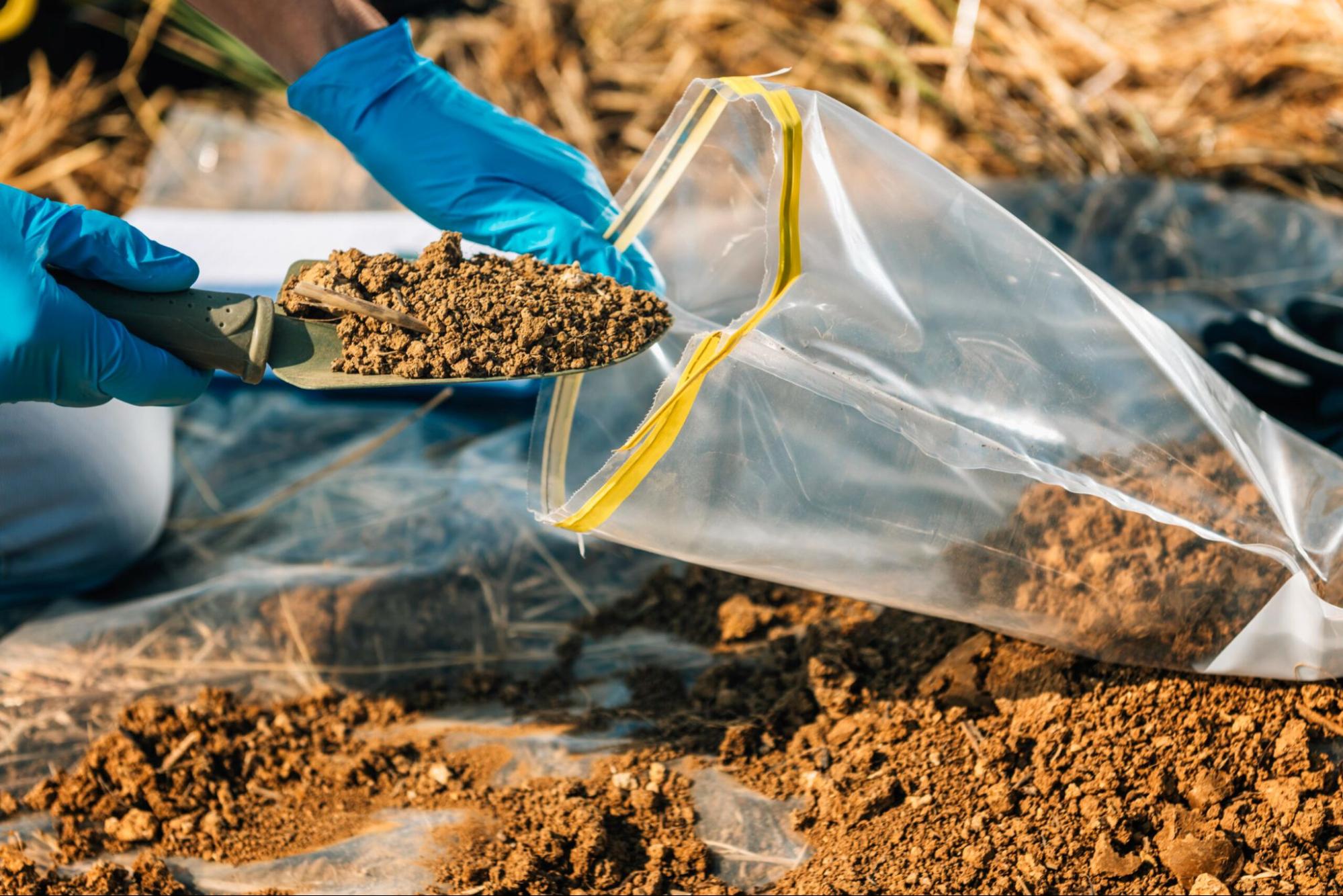
A soil test gives builders and engineers a detailed understanding of how the land is likely to perform during and after construction.
One of the primary goals is determining the strength of the soil. This helps engineers understand how much weight the ground can safely support. Stronger soil often allows for more straightforward foundation designs. Weaker soil may require modifications before construction can proceed.
Testing also evaluates moisture conditions. Water plays a major role in soil behavior. Some soils drain efficiently while others retain water for extended periods. Understanding these characteristics helps builders plan for proper drainage and foundation protection.
Another important area of analysis involves soil composition. Different combinations of sand, clay, gravel and organic material behave differently under pressure. Knowing what lies beneath the surface allows engineers to create more accurate recommendations.
Groundwater conditions may also be evaluated. High groundwater can affect excavation work and influence future drainage planning.
Together, these findings create a clearer picture of how the property will support residential construction.
How Soil Testing Influences Foundation Design
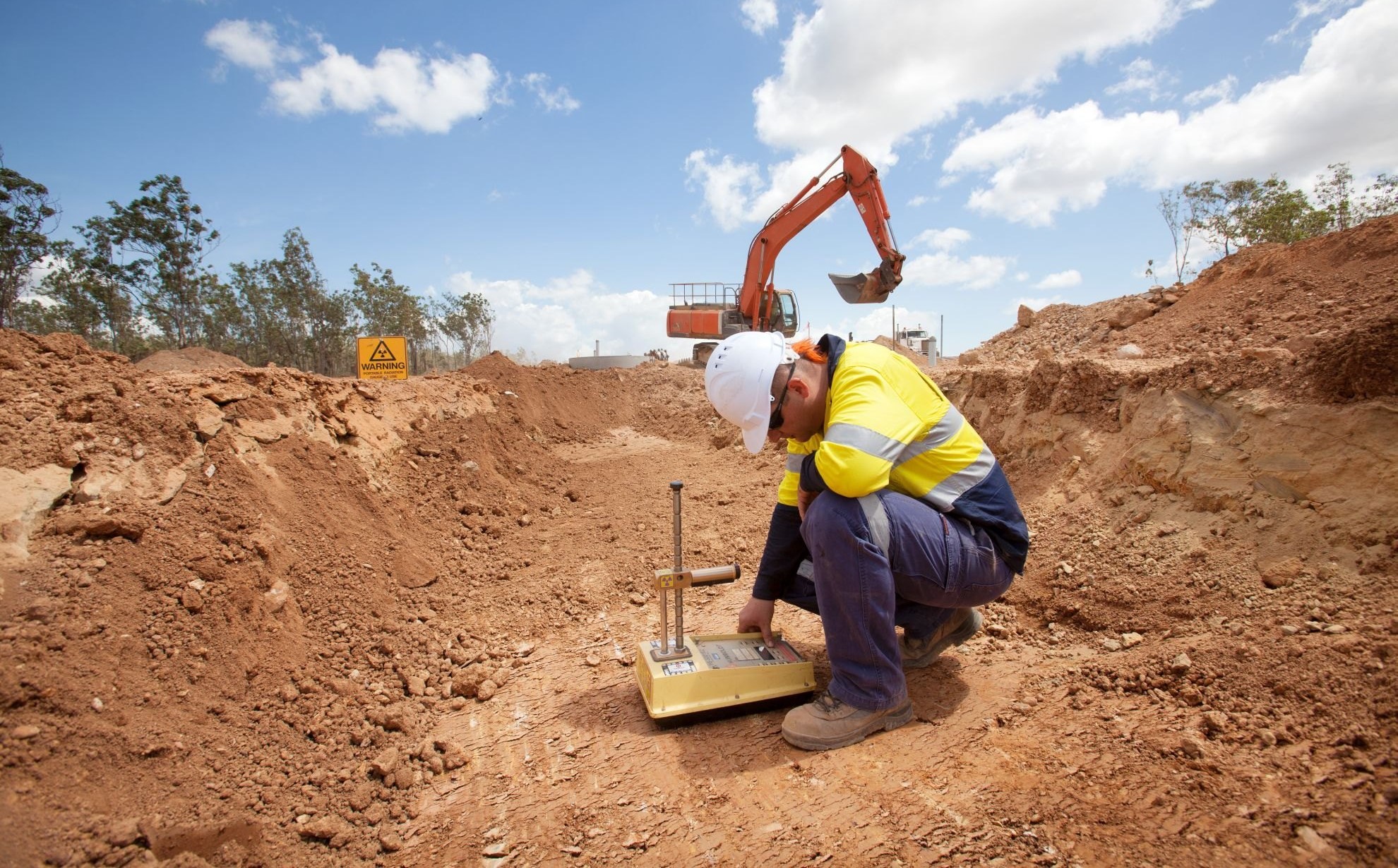
A foundation is one of the most important components of any home. Its job is to transfer structural loads safely into the ground.
The design of that foundation should be based on actual soil conditions rather than estimates.
When engineers review soil reports, they can determine the most appropriate foundation strategy for the property. In some cases, a standard foundation may be perfectly suitable. In other situations, modifications may be recommended to improve stability and long-term performance.
This process helps reduce the likelihood of settlement issues after construction is complete.
Foundation settlement can lead to cracking, uneven floors, sticking doors and other structural concerns. While not every problem can be prevented, accurate soil information significantly improves the chances of avoiding these issues.
For homebuilders in Sussex County, where terrain and soil conditions often vary from site to site, this information becomes especially valuable.
The Connection Between Soil Testing and Drainage Planning
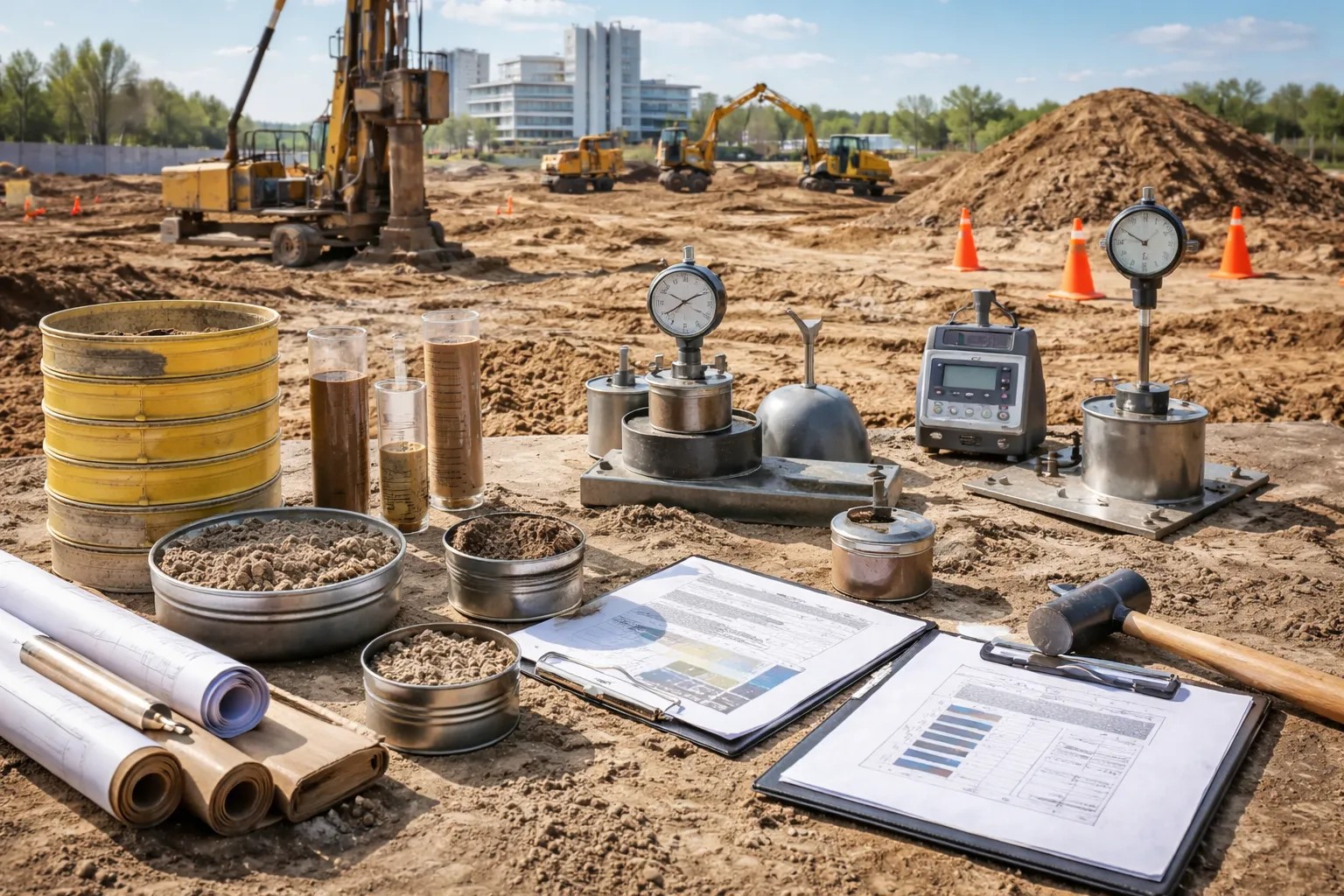
Water management is a critical part of residential construction. A beautiful home can quickly develop problems if water is not directed away from the structure properly.
Soil testing helps builders understand how water interacts with the property. Some soils allow water to move through quickly. Others slow drainage and increase moisture retention.
These findings influence many aspects of site planning. Builders can use the information to create grading plans that move water away from the home. Engineers can design drainage systems that work with the natural characteristics of the property.
Proper planning helps reduce the risk of basement moisture problems and standing water around the foundation.
In Sussex County, where weather conditions can produce significant rainfall throughout the year, effective drainage planning is an important part of protecting long-term property value.
Soil Testing and Septic System Requirements
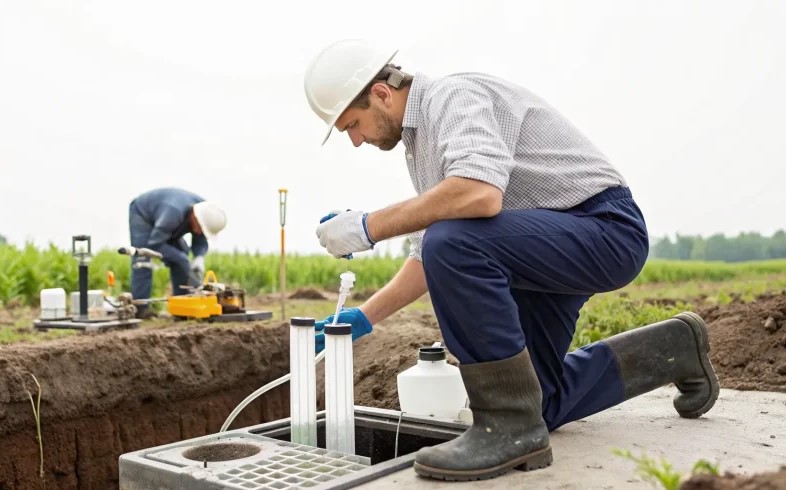
Many homes throughout Sussex County rely on private septic systems. Because of this, soil testing often serves an additional purpose beyond foundation planning.
A septic system depends on the surrounding soil to absorb and treat wastewater safely. If the soil does not drain properly, the system may not function as intended.
Testing helps determine whether the property can support a septic system and what type of system may be required.
In many cases, soil evaluations are conducted alongside perc testing. These studies provide important information about drainage rates and overall site suitability.
Learning this information early can prevent costly surprises later in the development process. It can also help homeowners avoid purchasing land that may require expensive septic solutions.
How Soil Testing Can Help Control Construction Costs

Some homeowners see soil testing as an additional expense. In reality, it often helps control costs by reducing uncertainty.
Construction projects become more expensive when unexpected conditions are discovered after excavation begins. If builders encounter poor soil, excessive moisture or hidden rock formations, project budgets can change quickly.
When these conditions are identified in advance, the project team can prepare for them during the planning stage.
This creates more accurate budgets and reduces the likelihood of major surprises during construction.
It also allows homeowners to evaluate the true cost of developing a property before committing significant resources to the project.
In many situations, the cost of testing is small when compared to the financial impact of discovering site problems after construction has already started.
When Should Homebuilders Schedule Soil Testing?
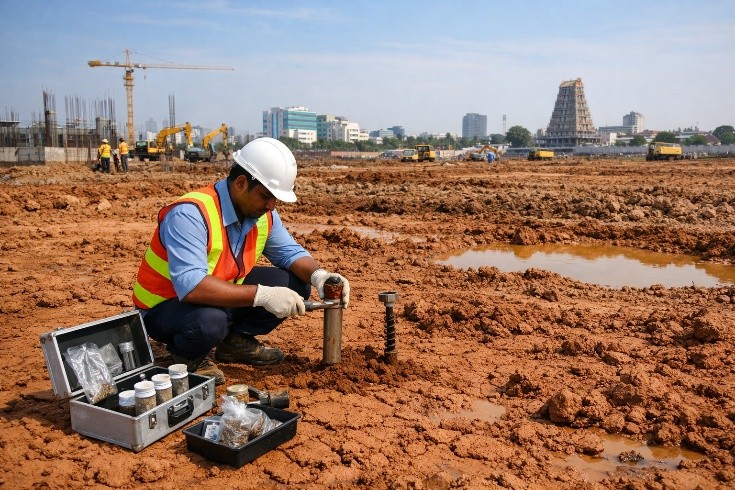
The best time to conduct soil testing is early in the planning process.
Ideally, testing should occur before final construction drawings are completed. Early analysis provides valuable information that can guide engineering decisions and help determine whether additional site preparation may be required.
Many experienced builders perform soil testing shortly after purchasing a property. Others complete testing during the due diligence period before closing on vacant land.
Early testing creates more flexibility. If challenges are discovered, solutions can be incorporated into the project without causing significant delays.
Waiting until excavation begins often limits options and increases the potential for unexpected costs.
For most residential projects, early planning remains the most effective approach.
Choosing the Right Professionals for Soil Testing
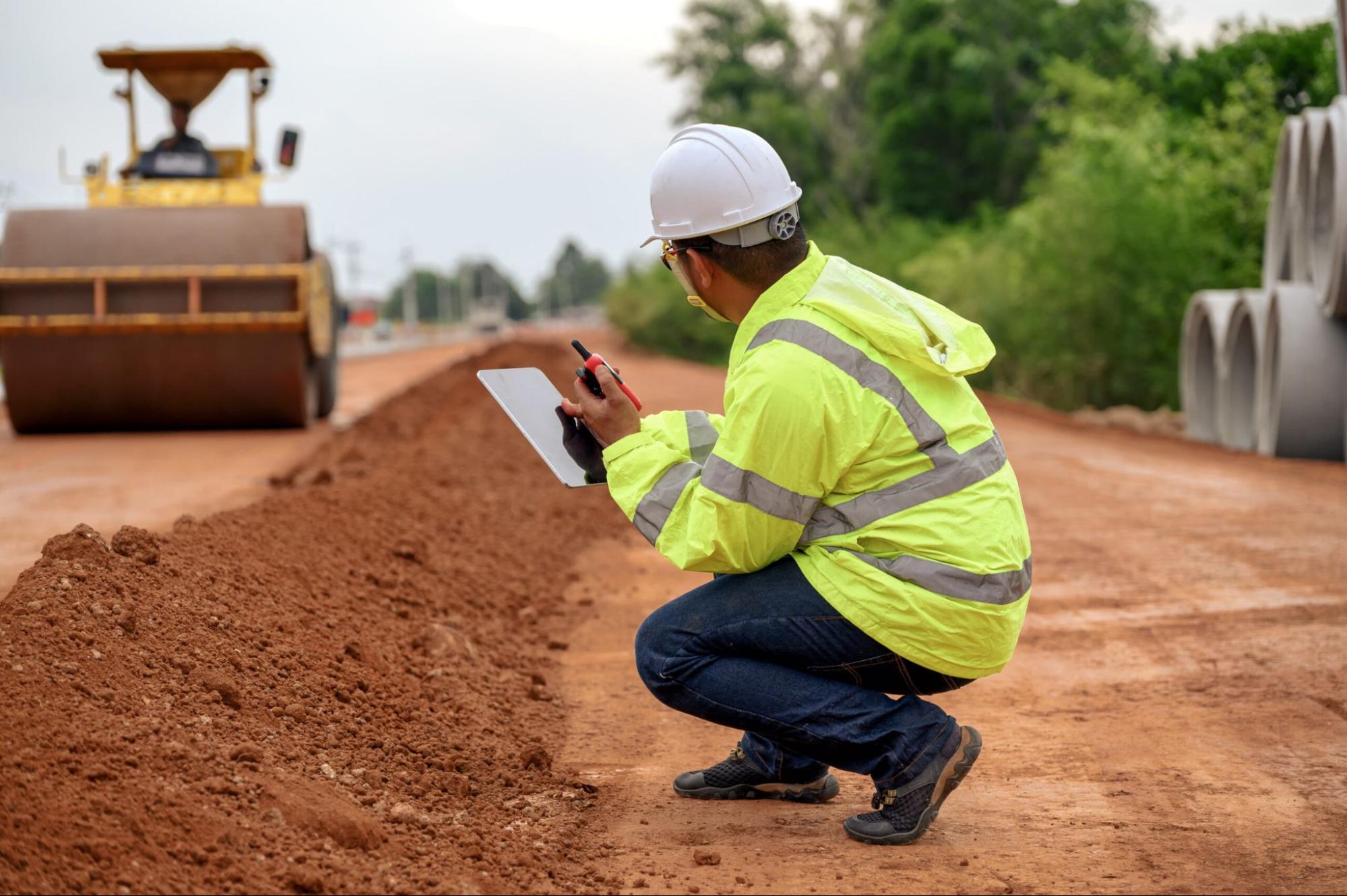
A soil report is only as valuable as the expertise behind it. Homebuilders should work with qualified geotechnical professionals who understand local soil conditions and construction requirements.
Experienced specialists know how to evaluate a site properly. They understand what information engineers need and how that information will be used throughout the building process.
A quality report should provide clear findings and practical recommendations. The information should help architects, engineers, contractors and homeowners make informed decisions.
Working with reputable professionals can improve project efficiency and provide greater confidence throughout the planning stage.
For builders operating in Sussex County, local experience is often especially valuable because of the area's diverse terrain and varying soil characteristics.
Final Thoughts
Building a home in Sussex County offers many advantages. Larger lots, natural scenery and custom home opportunities continue to attract homeowners from across New Jersey.
However, successful construction begins with understanding the land itself.
Soil testing provides critical information about foundation support, drainage performance, groundwater conditions and septic feasibility. It helps builders identify potential challenges before they become expensive problems.
The result is better planning, improved decision-making, and greater confidence throughout the construction process.
For homeowners preparing to build in Sussex County, soil testing should never be viewed as a simple formality. It is one of the smartest investments that can be made before breaking ground.
Whether you are evaluating a vacant lot or preparing for a custom home project, working with experienced professionals such as Prawdzik Properties can help ensure every stage of development is approached with careful planning and a focus on long-term value.
FAQs
Q1. Why is soil testing important before building a house?
Soil testing helps determine whether a property can safely support a structure. It also identifies conditions that may affect foundations, drainage, excavation and overall construction costs.
Q2. Is soil testing necessary for custom home construction in Sussex County?
While requirements vary by project, soil testing is strongly recommended because site conditions can differ significantly throughout Sussex County.
Q3. Can soil testing help prevent foundation problems?
Yes. Soil testing provides engineers with information that supports proper foundation design and helps reduce the risk of settlement and structural movement.
Q4. Does soil testing affect septic system approvals?
Yes. Soil conditions play a major role in determining whether a property can support a septic system and what type of system may be required.
Q5. When should a soil test be completed?
The ideal time is during the early planning stage before final construction plans are completed and before excavation begins.