Sustainable Landscaping Ideas for Your New Home in Bergen County New Jersey
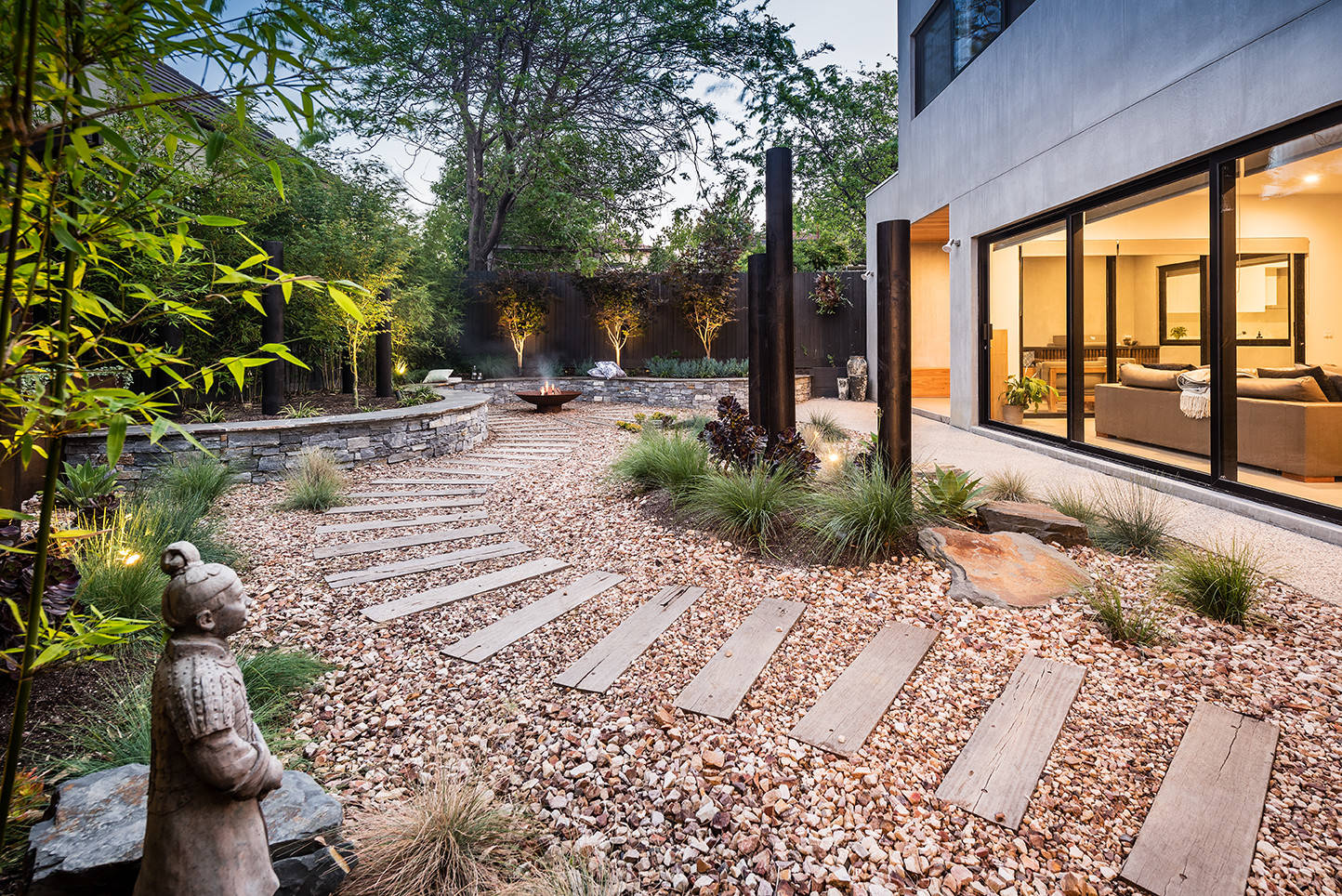
Building a new home in Bergen County New Jersey is an exciting milestone. From the quiet residential streets of Wyckoff and Oradell to the upscale communities of Alpine and Tenafly, homeowners are placing greater emphasis not just on beautiful interiors but also on outdoor spaces that are functional, eco conscious and long lasting. Sustainable landscaping has become a top priority for new homeowners who want to protect the environment, reduce maintenance costs and increase property value.
Sustainable landscaping is not about sacrificing style or comfort. It is about making smart choices that work with Bergen County’s climate, soil conditions and seasonal changes. This guide explores practical, modern and locally relevant sustainable landscaping ideas to help you create an outdoor space that looks stunning while supporting long term environmental health.
Understanding Sustainable Landscaping
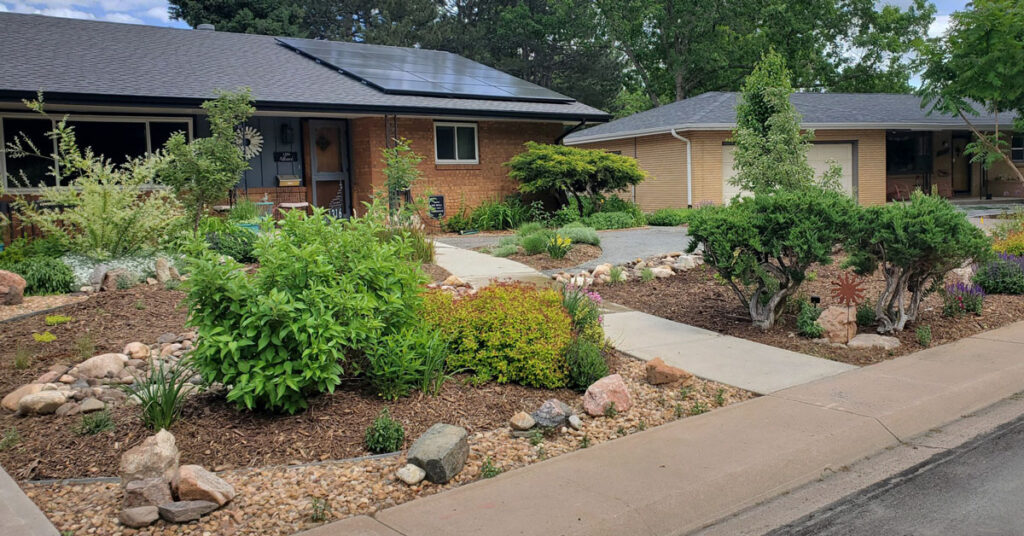
Sustainable landscaping focuses on designing and maintaining outdoor spaces in a way that conserves water, reduces waste, improves soil health and supports local ecosystems. Instead of relying heavily on chemicals, excessive irrigation or high maintenance plants, it emphasizes natural balance.
In Bergen County, where summers can be humid and winters cold, sustainable landscaping helps homeowners adapt their yards to local conditions. This results in healthier plants, fewer replacements, and lower ongoing costs. When planned correctly from the start of a new home build, sustainable landscaping becomes a seamless extension of your property rather than an afterthought.
Work With Bergen County’s Climate and Soil

Bergen County experiences four distinct seasons, with hot summers, cold winters and moderate rainfall spread throughout the year. Designing your landscape to work with these conditions is the foundation of sustainability.
Start by testing your soil. Many areas in Bergen County have clay heavy soil, which retains water but can drain poorly. Improving soil with organic compost increases drainage, supports root health and reduces the need for fertilizers. Proper grading during construction also prevents water pooling and erosion which is especially important after snowmelt and heavy rainstorms.
By understanding how your land naturally behaves, you can design planting beds and lawns that thrive with minimal intervention.
Choose Native and Adaptive Plants
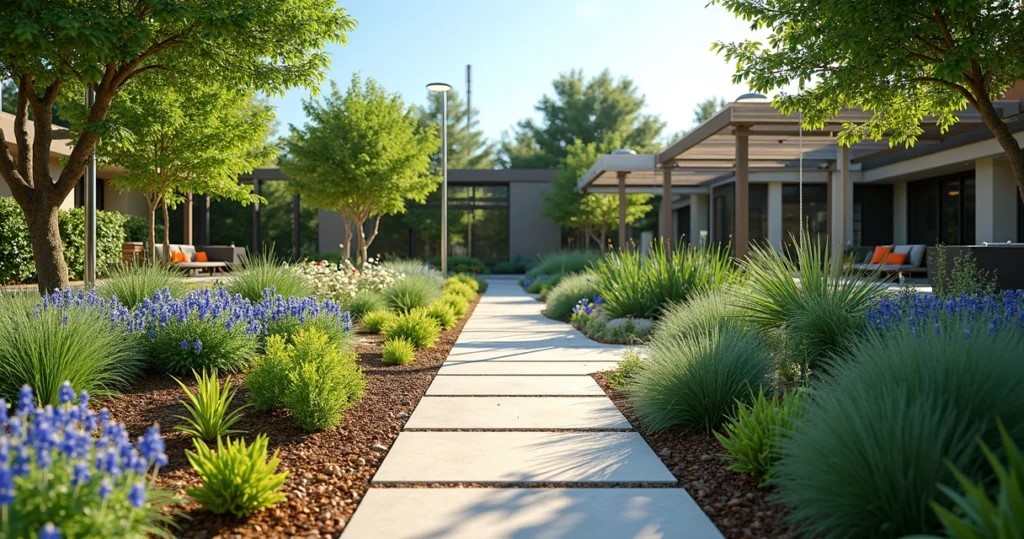
One of the most effective sustainable landscaping strategies is using native and adaptive plants. Native plants are already suited to New Jersey’s climate, meaning they require less water, fewer chemicals and minimal maintenance once established.
Popular native plant choices for Bergen County include eastern redbud, serviceberry, inkberry holly, black eyed Susan and switchgrass. These plants not only survive local weather patterns but also support pollinators such as bees and butterflies.
Adaptive plants, while not native, still perform well in local conditions without excessive care. A thoughtful mix of native trees, shrubs and perennials creates visual interest while promoting ecological balance.
Reduce Lawn Size for Lower Maintenance
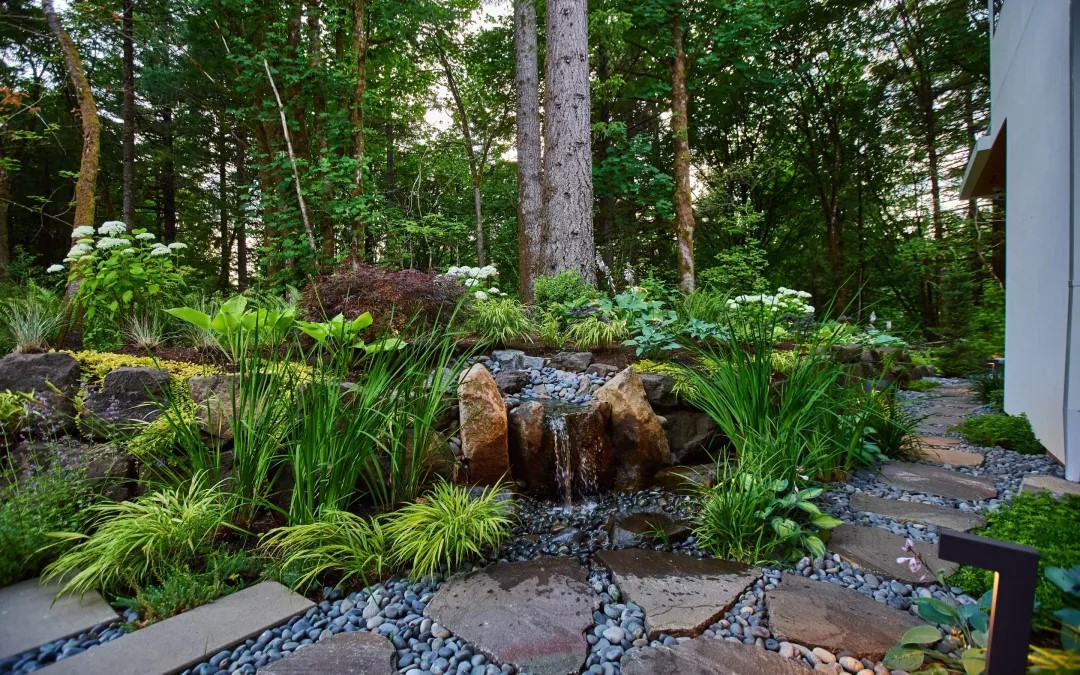
Traditional lawns require significant water, mowing and chemical treatments. Reducing lawn size is a growing trend among Bergen County homeowners who want a more sustainable and modern outdoor space.
Consider replacing portions of turf grass with native ground covers, decorative gravel paths, stone patios or planting beds. In neighborhoods like Ridgewood and Glen Rock, homeowners are opting for layered landscapes that combine greenery with hardscape features.
Smaller lawns not only save water but also free up space for outdoor living areas such as seating zones, fire pits and garden beds that enhance everyday use.
Install Smart and Efficient Irrigation Systems
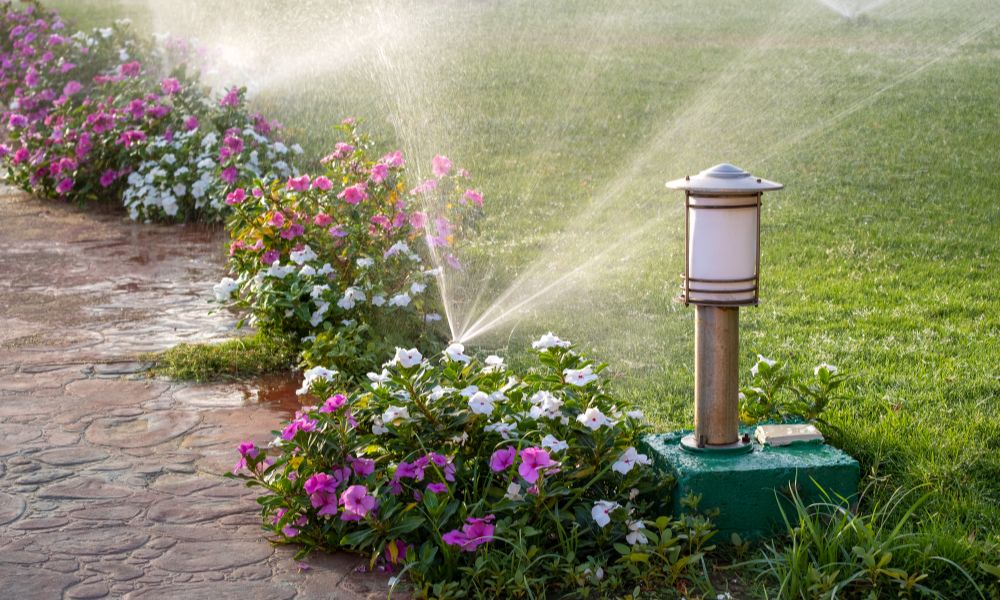
Water conservation is a key element of sustainable landscaping. Bergen County receives a fair amount of rainfall but inefficient irrigation systems can still waste thousands of gallons of water each year.
Installing a smart irrigation system allows watering schedules to adjust automatically based on weather conditions. These systems reduce watering during rainy periods and increase efficiency during dry spells. Drip irrigation is another excellent option for garden beds and shrubs, delivering water directly to the roots where it is needed most.
Rain barrels are also gaining popularity in New Jersey. They collect runoff from roofs and provide a natural water source for gardens, helping homeowners lower utility bills while conserving resources.
Incorporate Permeable Hardscaping
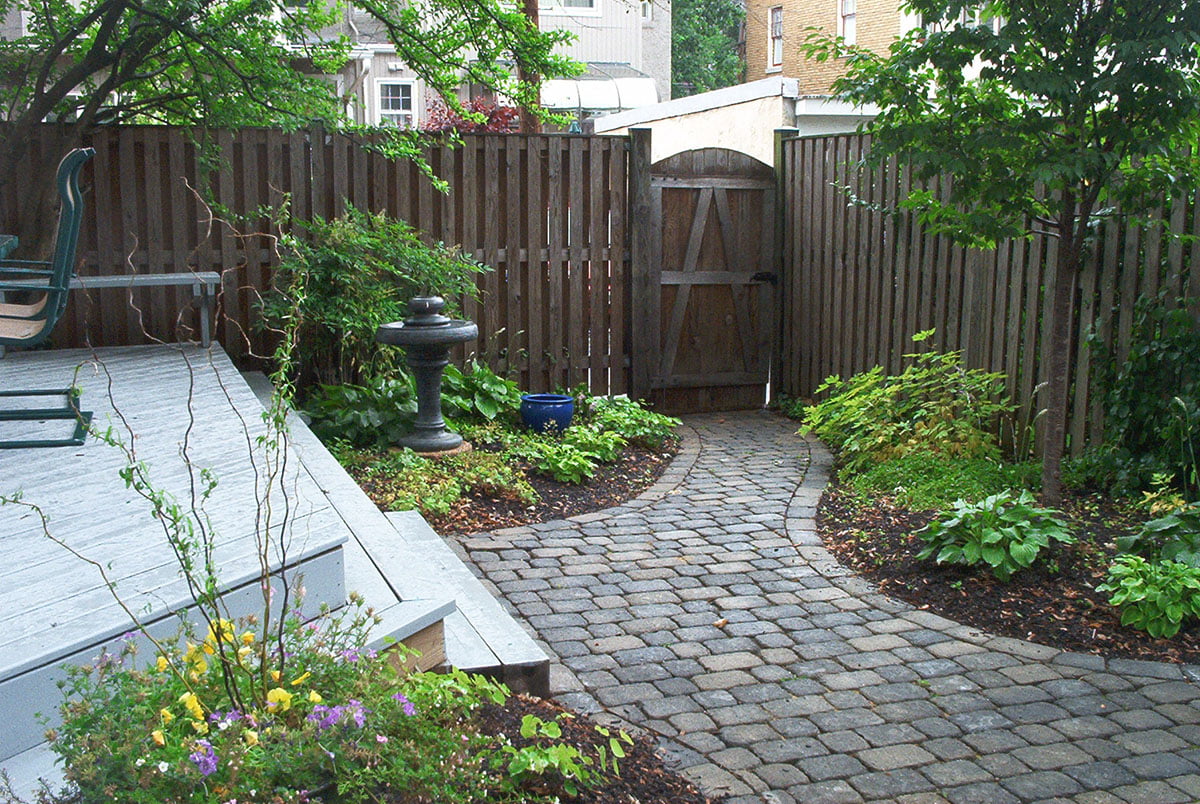
Driveways, walkways and patios play a major role in your landscape design. Traditional concrete and asphalt prevent water from soaking into the ground, increasing runoff and erosion. Permeable hardscaping materials allow rainwater to filter naturally into the soil.
Permeable pavers, gravel paths and porous concrete are ideal choices for Bergen County homes. These materials reduce stress on local stormwater systems and help prevent flooding during heavy rainstorms.
In upscale areas such as Franklin Lakes and Upper Saddle River, permeable hardscaping is becoming a popular choice for both sustainability and aesthetic appeal.
Design for Seasonal Interest Year Round
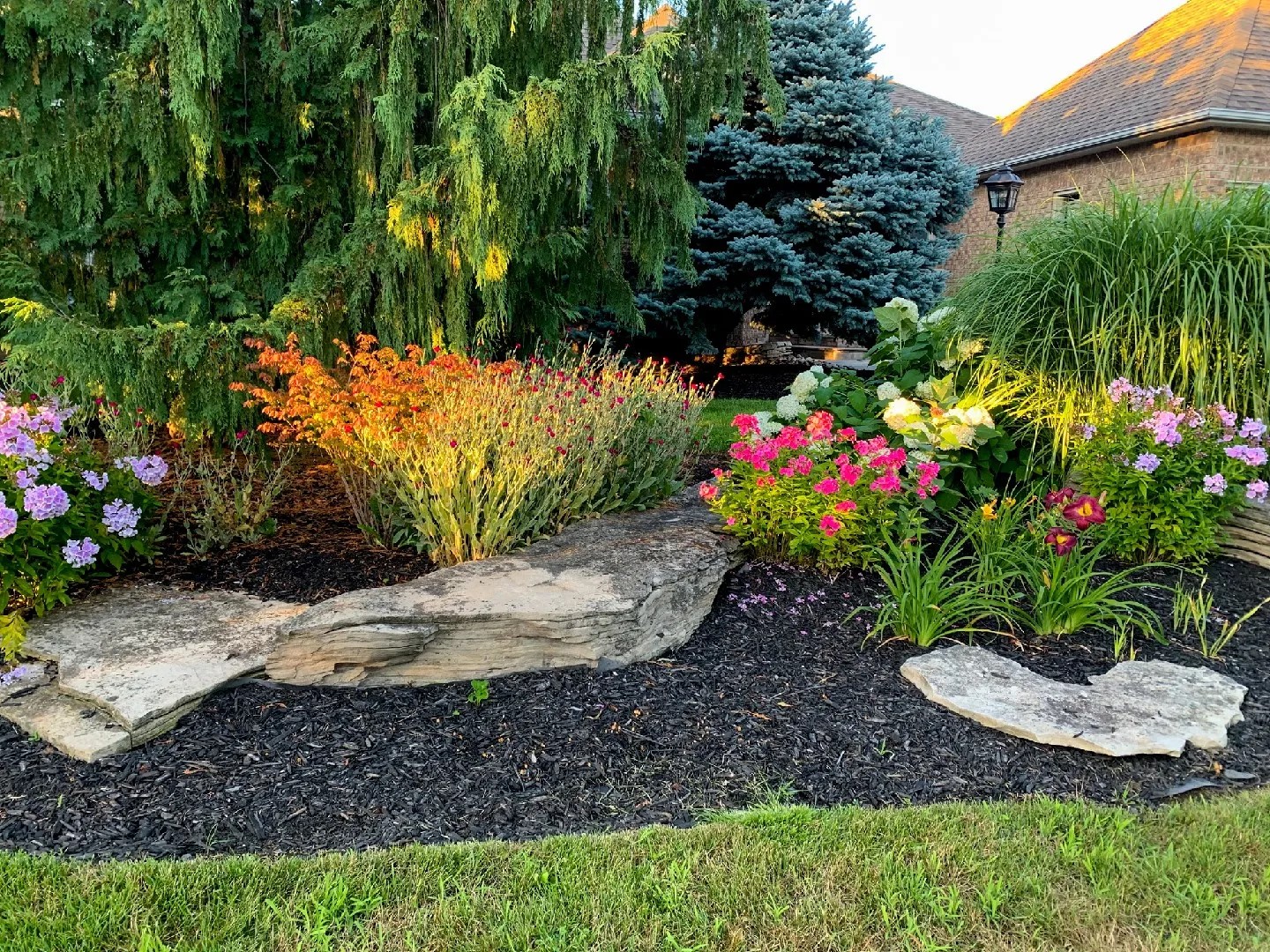
A sustainable landscape should look appealing throughout the year not just in spring and summer. Thoughtful plant selection ensures color, texture and structure across all seasons.
Evergreen trees and shrubs provide winter interest and privacy while deciduous trees offer shade in summer and allow sunlight in winter. Ornamental grasses add movement and visual interest even after snowfall.
By planning for seasonal changes, Bergen County homeowners can enjoy their outdoor spaces year round without constantly replanting or replacing vegetation.
Support Local Wildlife and Pollinators
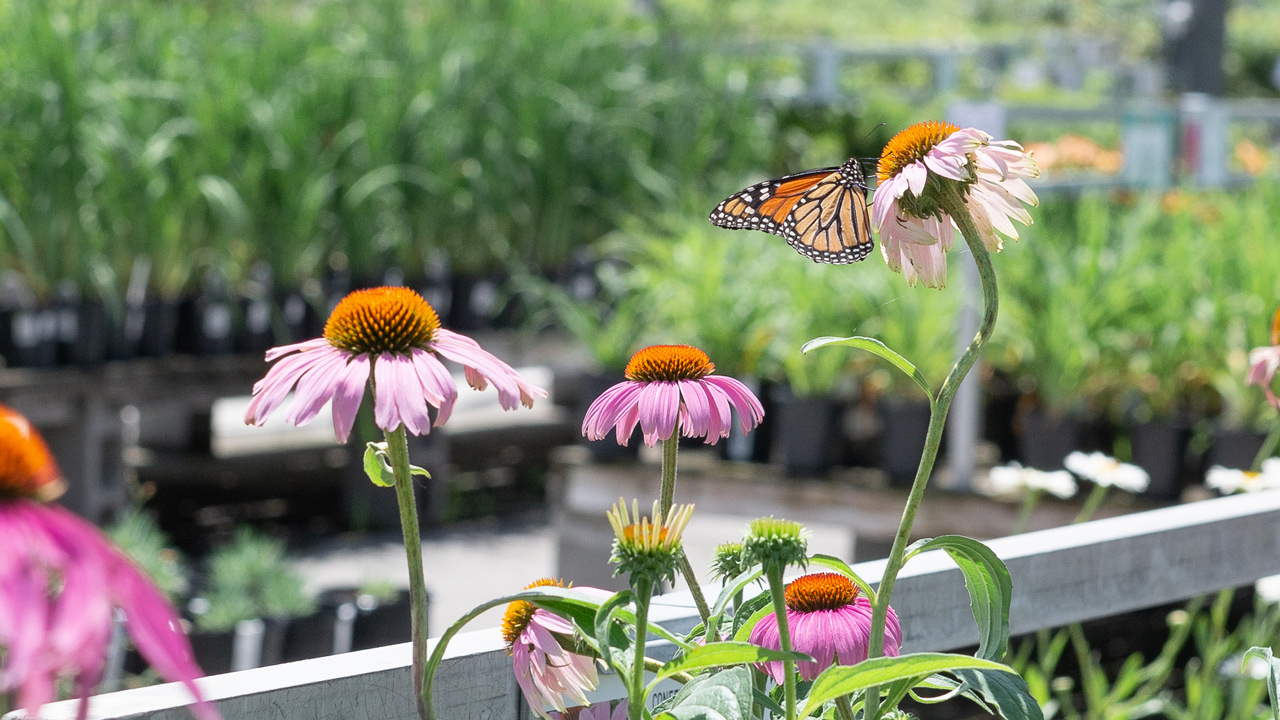
Sustainable landscaping goes beyond plant health. It also supports local wildlife. Bergen County is home to a wide range of birds, butterflies and beneficial insects that rely on native plants for food and shelter.
Adding pollinator friendly plants, bird feeders and small water features encourages biodiversity. Avoiding chemical pesticides protects these species while keeping your landscape healthier overall.
Homeowners who incorporate wildlife friendly elements often find their outdoor spaces feel more alive and connected to nature.
Use Sustainable Materials and Practices
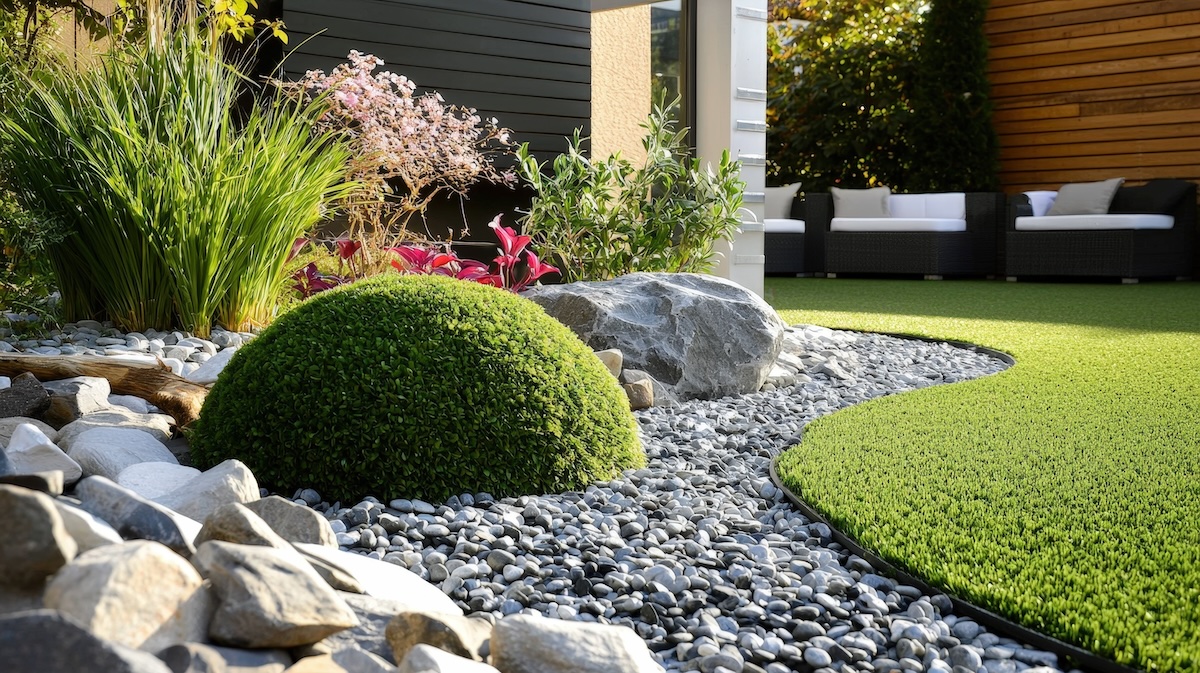
Sustainability also applies to the materials used in your landscape. Choose locally sourced stone, recycled materials and responsibly harvested wood whenever possible. These choices reduce transportation emissions and support regional suppliers.
Mulching with organic materials such as bark or wood chips helps retain moisture, suppress weeds and improve soil quality over time. Composting yard waste further reduces landfill use and creates nutrient rich soil for your garden.
These small decisions add up, creating a landscape that aligns with environmentally responsible living.
Plan Landscaping Early During New Home Construction
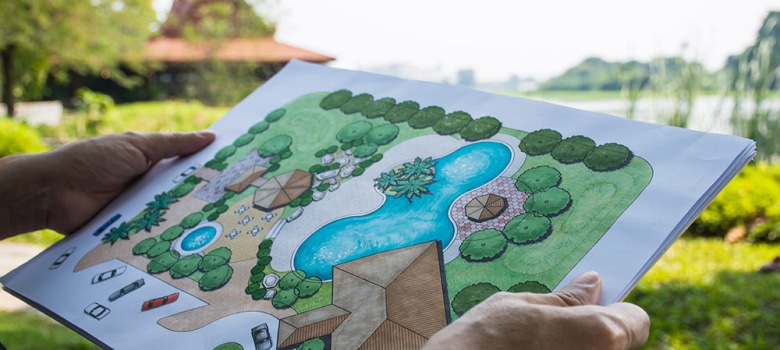
The best time to implement sustainable landscaping is during the new home construction phase. Early planning allows proper grading, drainage solutions and irrigation systems to be installed efficiently.
In Bergen County, working with professionals who understand local zoning requirements, tree ordinance and environmental regulations ensures a smooth process. Integrating landscaping into the overall design of your home also improves curb appeal and long term property value.
When landscaping is treated as part of the initial vision rather than an add on, the results are more cohesive and cost effective.
Long Term Benefits of Sustainable Landscaping
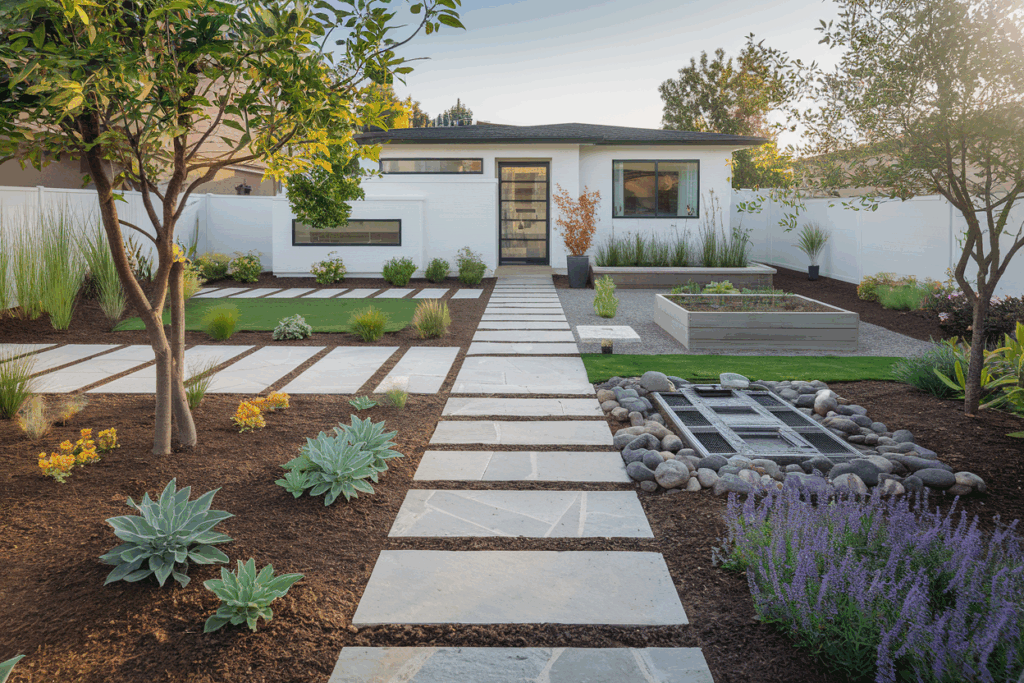
Sustainable landscaping offers benefits that extend far beyond aesthetics. Homeowners experience reduced water and maintenance costs, improved outdoor usability and increased resale value.
In a competitive real estate market like Bergen County, eco friendly features are increasingly attractive to buyers. A thoughtfully designed landscape signals quality, care and long term value.
Additionally, sustainable landscapes require less time and effort to maintain, allowing homeowners to enjoy their outdoor spaces rather than constantly working on them.
Final Thoughts:
Sustainable landscaping is a smart and future-focused choice for new homeowners in Bergen County, New Jersey. By working with the local climate, choosing native plants, conserving water and using responsible materials, you can create an outdoor space that is both beautiful and environmentally sound.
When building or renovating a home, it is essential to partner with professionals who understand how every detail fits together. Thoughtful planning, quality craftsmanship and a focus on long-term value ensure that your home’s landscape becomes a lasting investment, enhancing comfort, sustainability and curb appeal for years to come.