Moving Into a New Home in Burlington County New Jersey: What to Plan Before You Unpack

Buying or moving into a new home is one of life’s biggest milestones. It represents progress, stability and a fresh chapter. But while the excitement is real, the transition itself can feel overwhelming if planning is left until the last minute.
For homeowners moving into Burlington County, New Jersey, preparation matters even more. The county blends suburban neighborhoods, historic towns, newer developments and rural pockets, each with its own expectations, regulations and rhythms. What works in one town may not apply in another.
Whether you are moving into a custom built home, a newly renovated property or an existing residence, the smartest moves happen before the first box is carried inside.
This guide outlines what to plan ahead so your move into a Burlington County home is smooth, organized and stress free.
Get Familiar with Your Town before Move In

Burlington County includes communities like Moorestown, Medford, Mount Laurel, Bordentown and Florence, and each operates a bit differently.
Before moving day, research your town’s municipal services. Trash and recycling rules vary, including collection days, bin requirements and bulk pickup policies. Some townships require advance scheduling for large item disposal.
Parking is another detail that often surprises new homeowners. Certain streets restrict overnight parking or require permits for moving trucks. Knowing this in advance avoids fines and last minute scrambling.
Take time to identify nearby essentials such as grocery stores, pharmacies, urgent care facilities and gas stations. Having this information ready helps your first few weeks feel manageable rather than chaotic.
Plan Utilities and Home Services Early

One of the most common moving day frustrations is arriving at a home without working utilities.
As soon as your move in date is confirmed, schedule electricity, gas, water, sewer and internet services. Burlington County providers can book up quickly, especially during spring and summer when moving activity peaks.
Internet setup deserves special attention. Installation timelines vary by neighborhood and newer developments may require additional coordination.
Also consider services like trash collection enrollment, lawn maintenance, snow removal and home security systems. Setting these up early ensures your home is functional and comfortable right away.
Do a Detailed Pre Move Inspection

Even if your home was recently inspected, a final walkthrough before moving in is essential.
Test every faucet, toilet, light switch, outlet and appliance. Run heating and cooling systems to confirm they are operating properly. Check windows and doors for drafts or sticking.
Basements are common in Burlington County homes, so inspect for moisture, drainage and sump pump operation. Catching issues early helps prevent long term damage.
If your home was newly built or renovated, confirm that finishes, fixtures and systems match what was agreed upon. Addressing concerns before move in is far easier than after furniture is placed.
Secure the Home Before Your First Night

Safety should be a top priority when moving into any new house.
Change all exterior locks and update garage door codes immediately. You never know how many spare keys may still exist.
Test smoke detectors and carbon monoxide alarms, even if they appear new. Burlington County homes must meet safety codes but testing provides peace of mind.
If the home includes stairs, decks or outdoor walkways, inspect railings, steps and lighting. This is especially important during fall and winter months when visibility and weather conditions change.
Families with children or pets should plan safety measures such as gates, fencing and secure storage areas before move in.
Create a Move In Timeline That Actually Works

Successful moves are planned in stages, not rushed in the final week.
Start by decluttering. Donate or discard items you no longer need so you are not transporting unnecessary belongings. This saves money and reduces unpacking time.
Pack room by room and label boxes clearly. Include the room name and priority level so essentials are easy to find.
If hiring movers, choose a company familiar with Burlington County neighborhoods. Narrow streets, cul de sacs and active construction zones can affect access and timing.
Pack a first day essentials box with toiletries, medications, important documents, chargers, basic tools and a change of clothes. This prevents frustration during your first night.
Plan Furniture Layout and Measurements Ahead of Time

Before moving day, take time to measure doorways, hallways, staircases and major living areas. Burlington County homes vary widely in layout, from older properties with tighter access points to newer homes with open floor plans. Assuming everything will fit can lead to damaged walls, scratched floors or furniture that simply does not work in the space.
Planning furniture placement in advance makes moving day far more efficient. Movers can place items correctly the first time, reducing heavy lifting and unnecessary rearranging. It also helps you identify oversized pieces that may need to be replaced, sold or stored before the move.
Thinking through layout early allows you to design spaces intentionally rather than reacting after everything is already inside the home.
Prepare Your Home for New Jersey Weather

Burlington County experiences hot summers, cold winters and heavy rain throughout the year. Preparing your home for these conditions is critical.
Before winter, inspect heating systems, insulation and weather sealing around doors and windows. Before summer, service air conditioning units and ceiling fans.
Outdoor areas also need attention. Check gutters, downspouts, driveways, patios and drainage systems to handle seasonal storms.
Homes with mature trees should plan regular maintenance to reduce the risk of fallen branches or clogged gutters during severe weather.
Take Care of Address Changes and Records
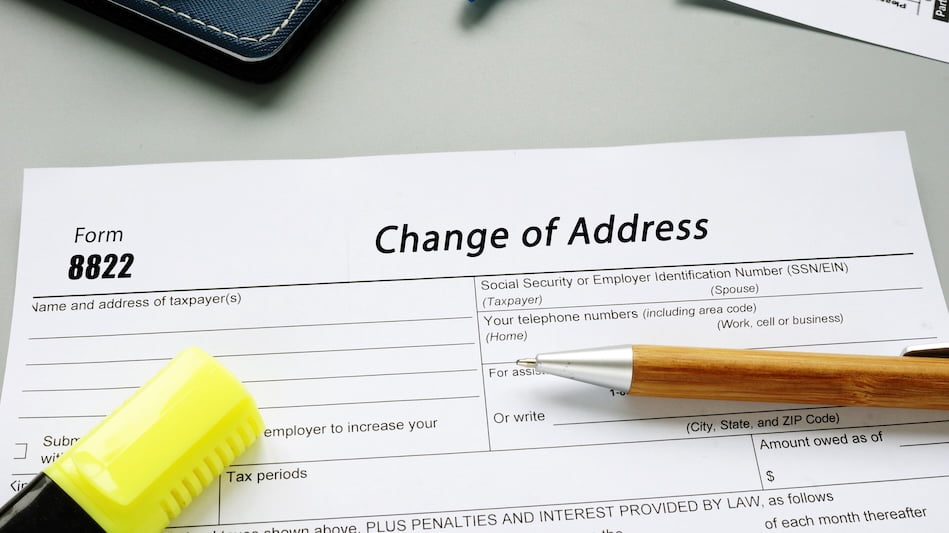
Once your move is scheduled, begin updating your address across all important accounts.
Notify banks, credit cards, insurance providers, employers and medical offices. Update your driver’s license and vehicle registration through the New Jersey Motor Vehicle Commission within the required timeframe.
Register to vote in Burlington County if you are new to the area. This also helps establish residency for local services and school enrollment.
Sign up for town alerts, newsletters and community updates so you stay informed about local events and important notices.
Make Smart Upgrades Before Unpacking
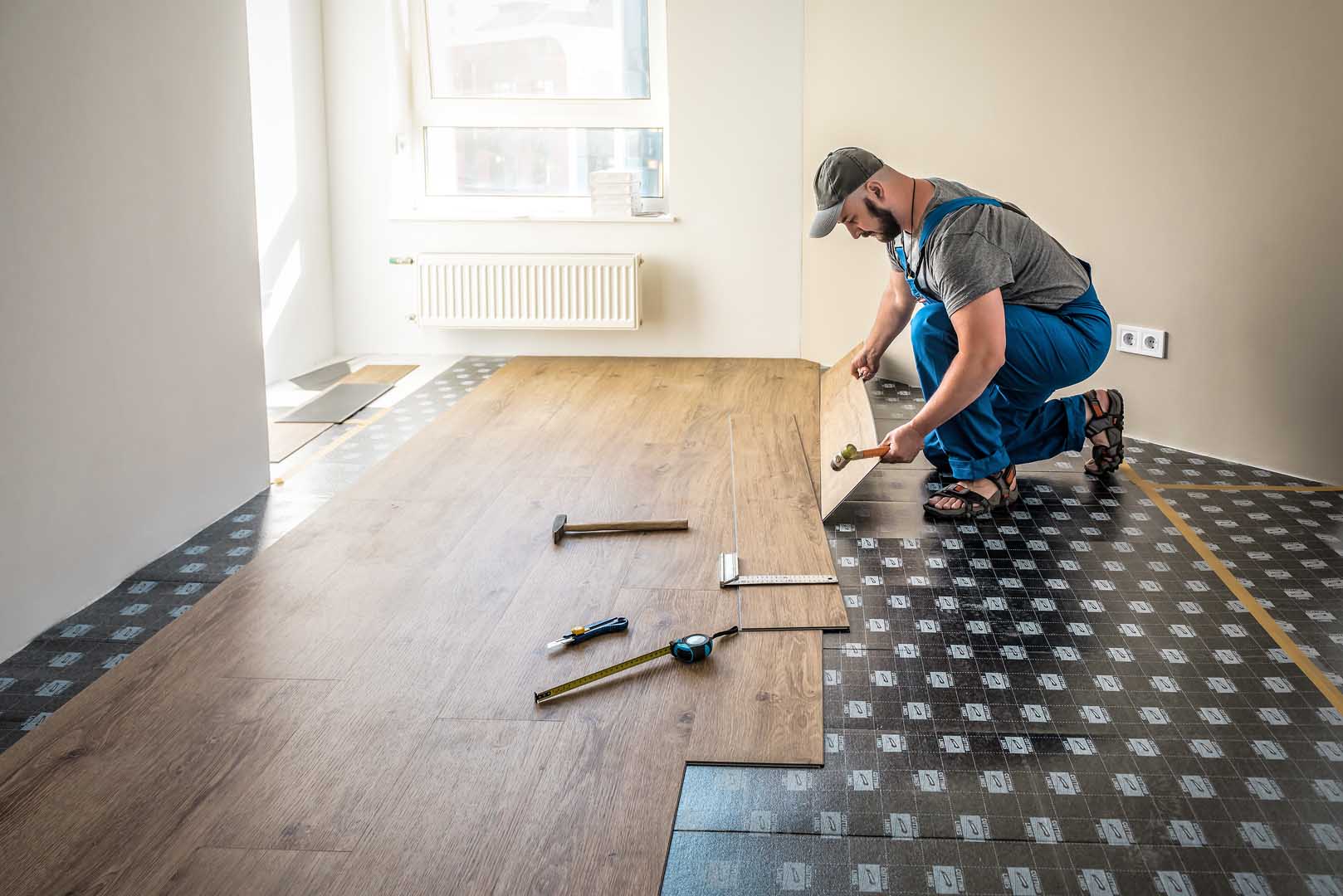
Some improvements are far easier to complete before furniture and boxes fill the home.
Painting, lighting updates, flooring refinishing and closet organization should ideally happen before move in. This saves time and prevents accidental damage.
If your home was recently renovated or custom built, review warranty information, maintenance guidelines and system manuals provided by the builder.
Understanding how your home was constructed helps you care for it properly and protect long term value.
Understand Local Permits and Home Improvement Rules
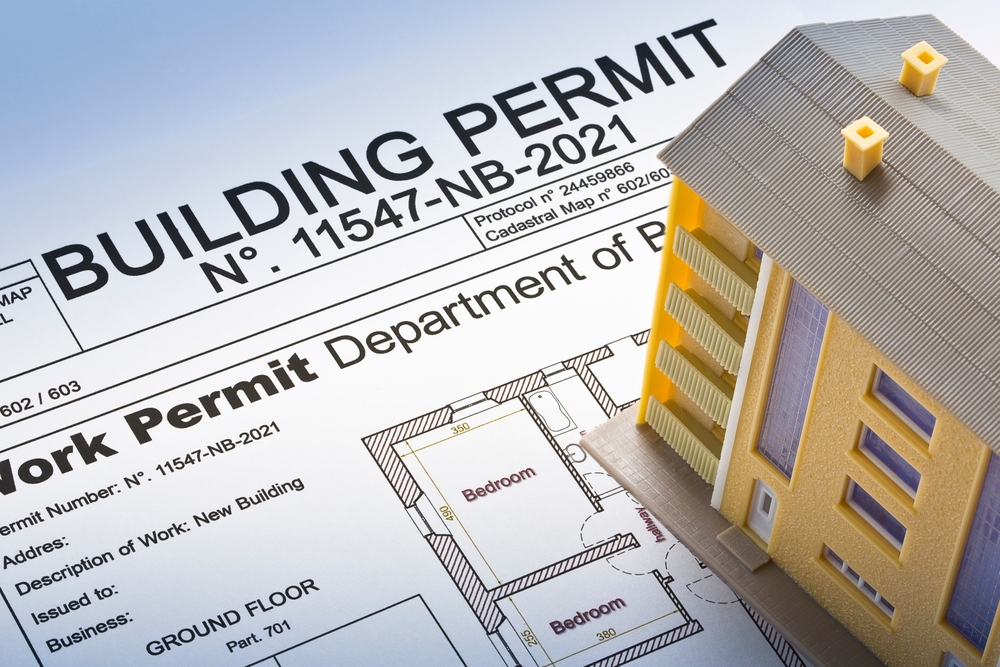
Many homeowners plan updates shortly after moving in but local regulations are often overlooked. Burlington County municipalities have specific rules regarding permits for fencing, decks, electrical work, plumbing updates, exterior changes and even some interior renovations.
Before scheduling any work, check your town’s permit requirements and approval timelines. What qualifies as minor work in one township may require formal approval in another. Starting a project without proper permits can result in fines, delays or required rework.
Understanding local regulations ahead of time allows you to plan improvements responsibly and avoid unnecessary setbacks once you are settled into your new home.
Get Comfortable With the Community

A house feels like home faster when you feel connected to the area.
Explore local parks, walking trails and recreation centers. Burlington County offers a wide range of outdoor spaces and community programs.
Introduce yourself to neighbors and consider joining local groups or social platforms specific to your town. These are great resources for recommendations, service providers and neighborhood updates.
Supporting local businesses also helps you settle in and become part of the community.
Budget for the First Year of Ownership

Many new homeowners underestimate the cost of the first year.
Beyond your mortgage, plan for utilities, property taxes, insurance, routine maintenance and unexpected repairs. Burlington County tax rates vary by municipality, so understanding your town’s structure is important.
If your home is part of a homeowners association, review fees, rules and long term expectations.
A realistic budget reduces stress and allows you to focus on enjoying your new space rather than worrying about expenses.
Final Thoughts
Moving into a new home is more than checking items off a list. It is the moment when planning turns into daily life. The more intentional the preparation, the smoother the transition and the faster a house begins to feel like home.
For homeowners in Burlington County, understanding local expectations, seasonal considerations and practical details ahead of time can prevent unnecessary stress. From setting up services to preparing for New Jersey weather, small decisions made early can have a lasting impact.
A well planned move creates space to enjoy your home, your neighborhood and the opportunities that come with a fresh start. When the groundwork is done right, moving day becomes less about chaos and more about confidence as you step into the next chapter of life.