Modern vs Traditional Home Layouts: How Burlington County NJ Buyers Can Choose the Perfect Home Layout
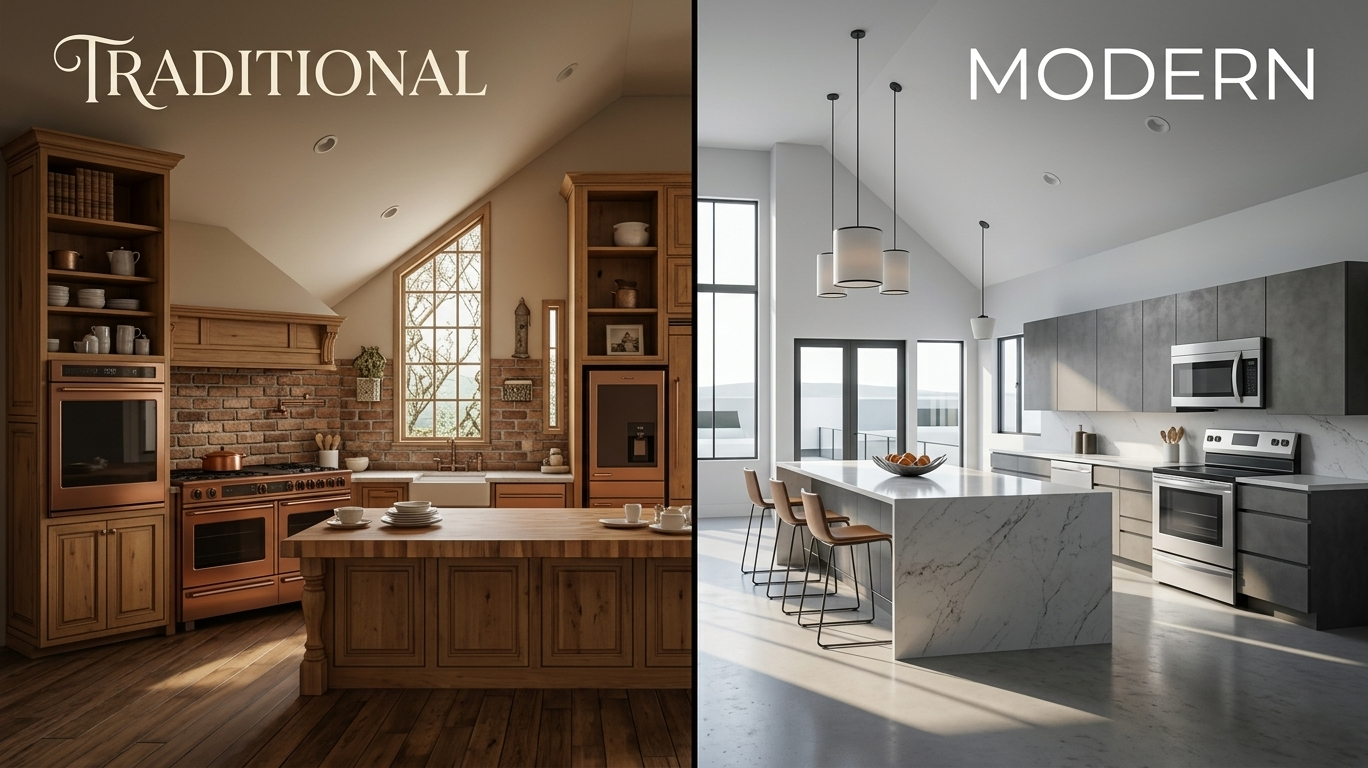
Homebuyers in Burlington County, New Jersey are placing greater emphasis on how a home functions on a daily basis. While location, property condition and neighborhood amenities remain important, the layout of a home often plays a major role in long-term satisfaction.
As communities across Burlington County continue to attract families, professionals and retirees, many buyers find themselves comparing two popular design approaches: modern home layouts and traditional home layouts. Both styles offer unique advantages. The best choice depends on lifestyle preferences, household needs, entertaining habits and future plans.
Understanding the differences between these layouts can help buyers make more informed decisions and choose a home that supports their daily routines for years to come.
Understanding Modern Home Layouts
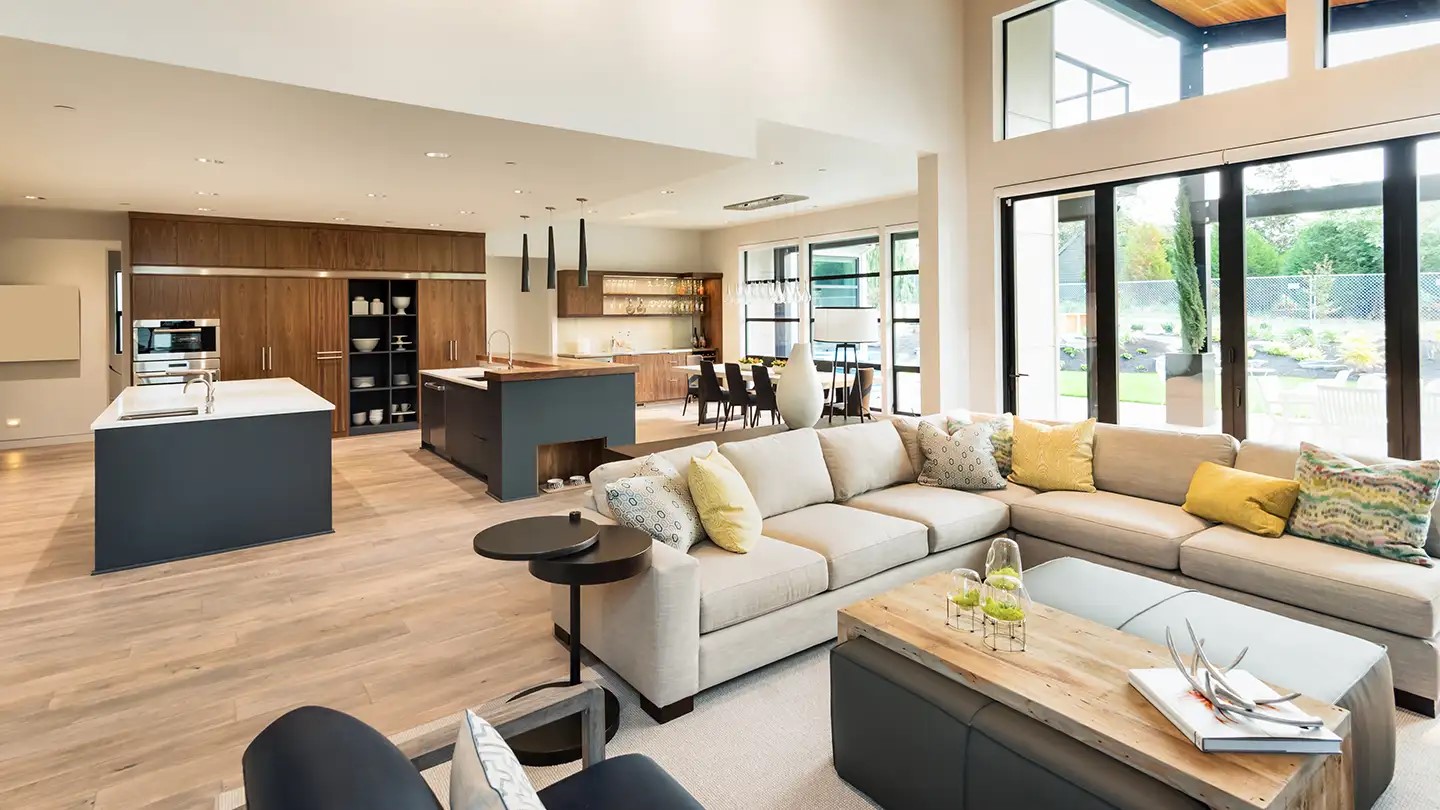
Modern home layouts are designed around openness, flexibility and connectivity. Instead of separating living spaces into individual rooms, modern homes often feature large open-concept areas that combine the kitchen, dining room and living room into one shared space.
This approach has become increasingly popular throughout Burlington County because it reflects how many families live today.
A modern layout often includes:
- Open floor plans
- Larger kitchen islands
- Flexible living spaces
- Higher ceilings
- Increased natural light
- Minimal interior walls
- Strong indoor and outdoor connections
The goal is to create a home that feels spacious and adaptable while encouraging interaction between family members and guests.
Many newly built homes in Burlington County incorporate modern layouts because they align with current buyer expectations and contemporary lifestyles.
What Defines a Traditional Home Layout?
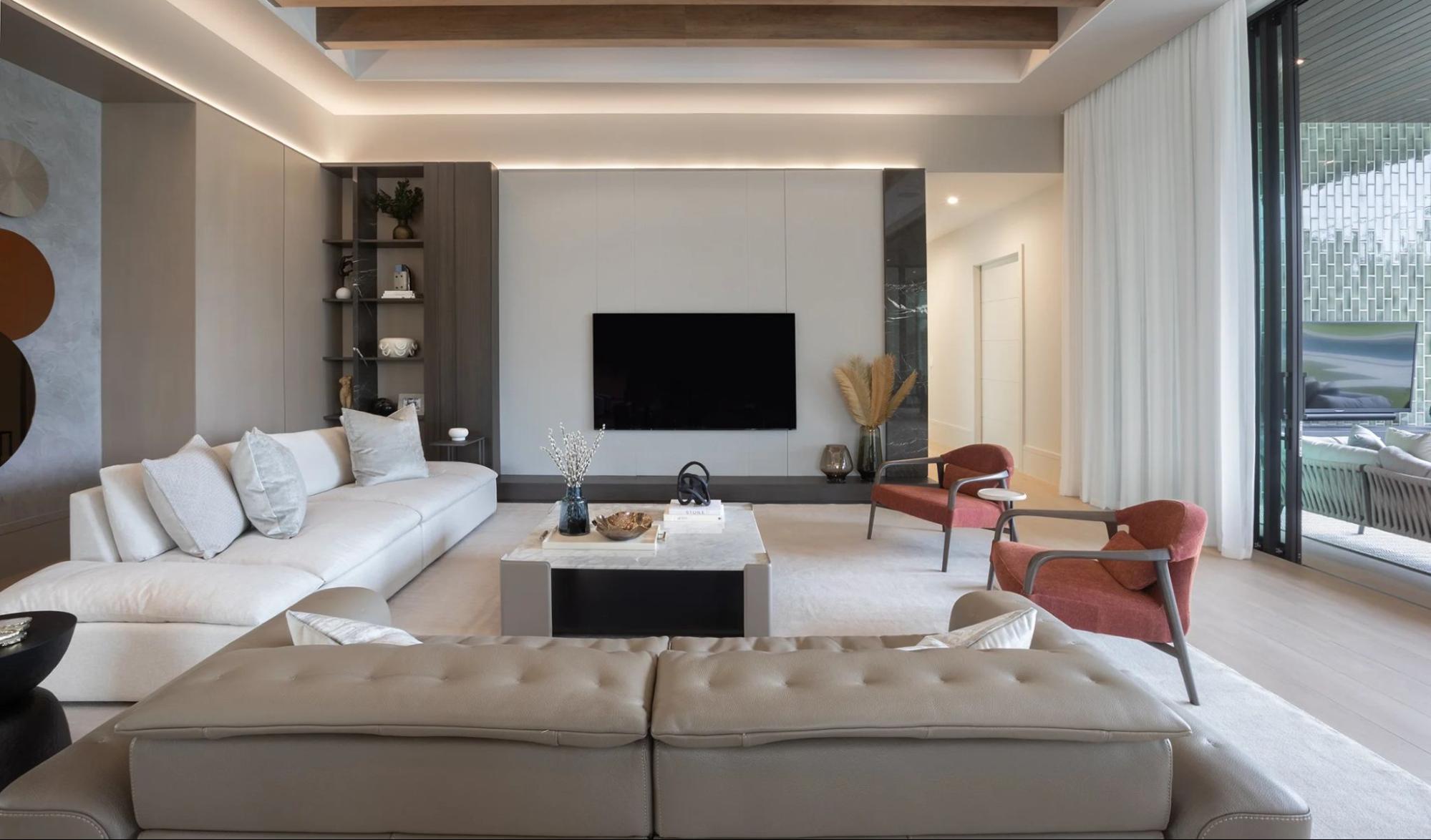
Traditional home layouts follow a more structured design approach. Individual rooms are separated by walls and each space serves a specific purpose.
Rather than combining living areas into one large space, traditional homes often include dedicated dining rooms, formal living rooms, family rooms and enclosed kitchens.
Common characteristics of traditional layouts include:
- Clearly defined rooms
- Formal dining areas
- Separate kitchens
- Greater privacy
- Distinct traffic flow
- Classic architectural elements
Many established neighborhoods throughout Burlington County feature traditional home designs that appeal to buyers who value privacy, organization, and timeless character.
Traditional layouts remain popular because they provide a sense of structure that many homeowners appreciate.
How Lifestyle Influences the Right Layout Choice
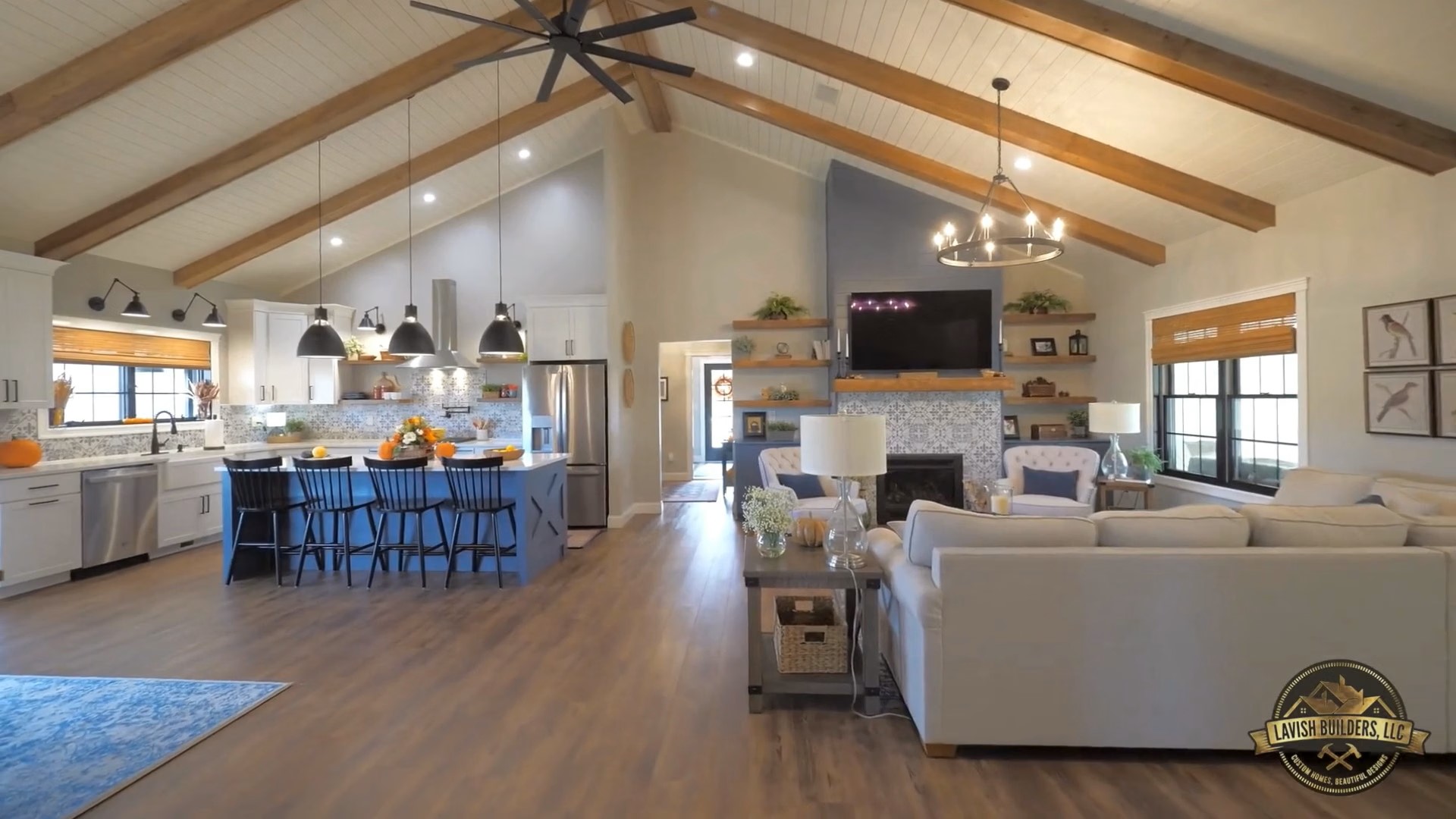
One of the most important factors when choosing between modern and traditional layouts is understanding how your household uses living space.
For families who spend significant time together, a modern floor plan can be highly attractive. Parents can prepare meals while keeping an eye on children. Family members can interact more easily throughout the day. Large gatherings often feel more natural because guests can move freely between connected spaces.
On the other hand, households that value quiet areas may find traditional layouts more practical. Separate rooms create opportunities for privacy, focused work, reading, studying or relaxation without distractions from other activities happening in the home.
Remote work has also changed how buyers evaluate layouts. Many Burlington County residents now prefer dedicated office spaces that support productivity. Depending on the design, either a modern or traditional home can accommodate this need but traditional floor plans often provide more naturally separated work areas.
Evaluating daily habits is often the best way to determine which layout aligns with your lifestyle.
Modern Layouts and the Demand for Open Concept Living
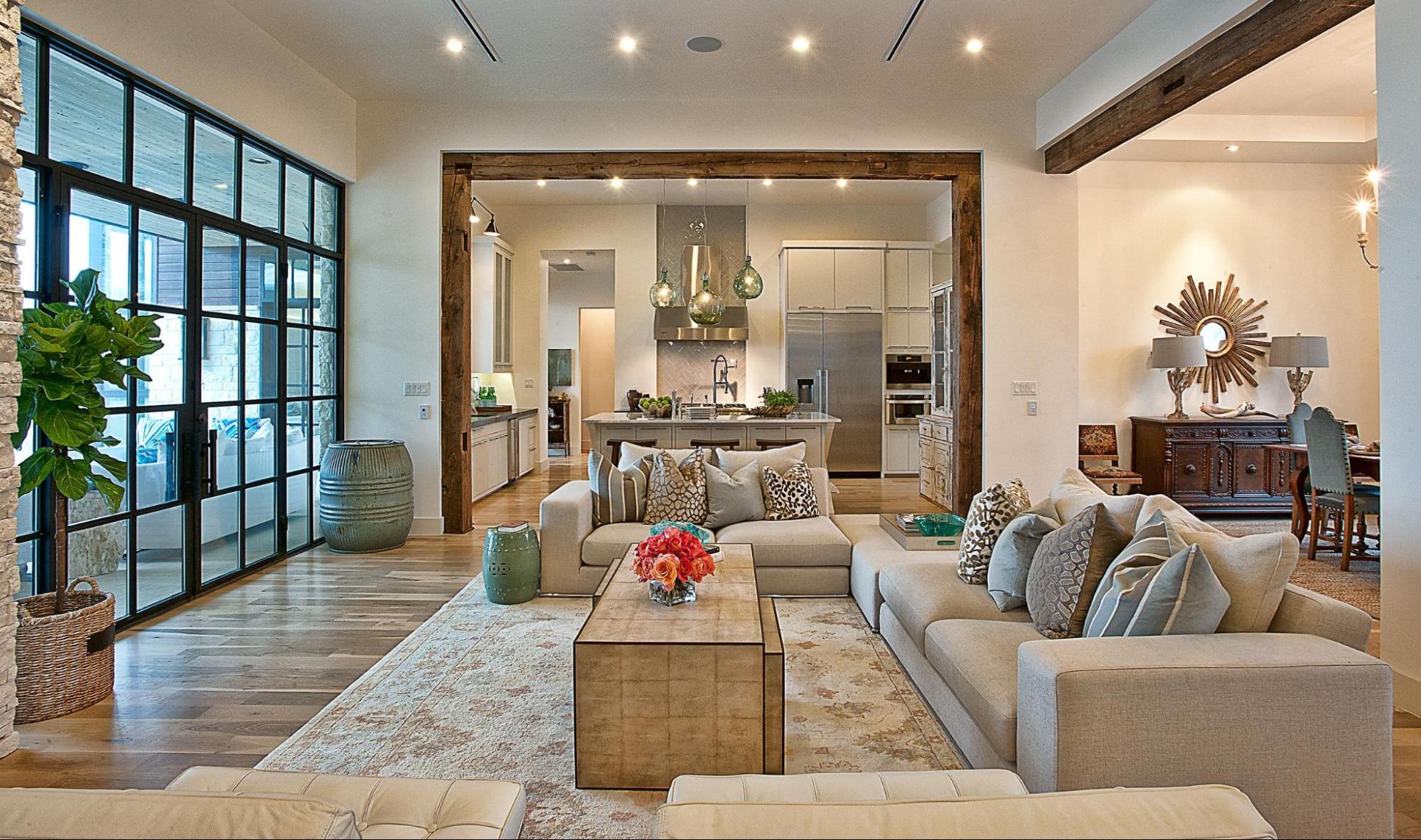
Open concept living has become one of the strongest trends in residential real estate.
Buyers frequently appreciate the visual openness that modern layouts provide. Removing walls between major living areas allows natural light to travel throughout the home, creating a brighter and more inviting environment.
In Burlington County, where many homeowners enjoy entertaining family and friends, open layouts offer several advantages.
Hosts can remain connected to guests while preparing meals. Larger gatherings feel less crowded. Furniture placement becomes more flexible, allowing homeowners to adapt spaces as needs change.
Modern layouts can also make homes appear larger than their actual square footage. This perception of spaciousness often contributes to stronger buyer interest.
Another advantage is adaptability. As family needs evolve, open spaces can often be reconfigured more easily than highly compartmentalized floor plans.
For buyers seeking a contemporary lifestyle, modern layouts often deliver the convenience and functionality they desire.
The Privacy Benefits of Traditional Home Designs
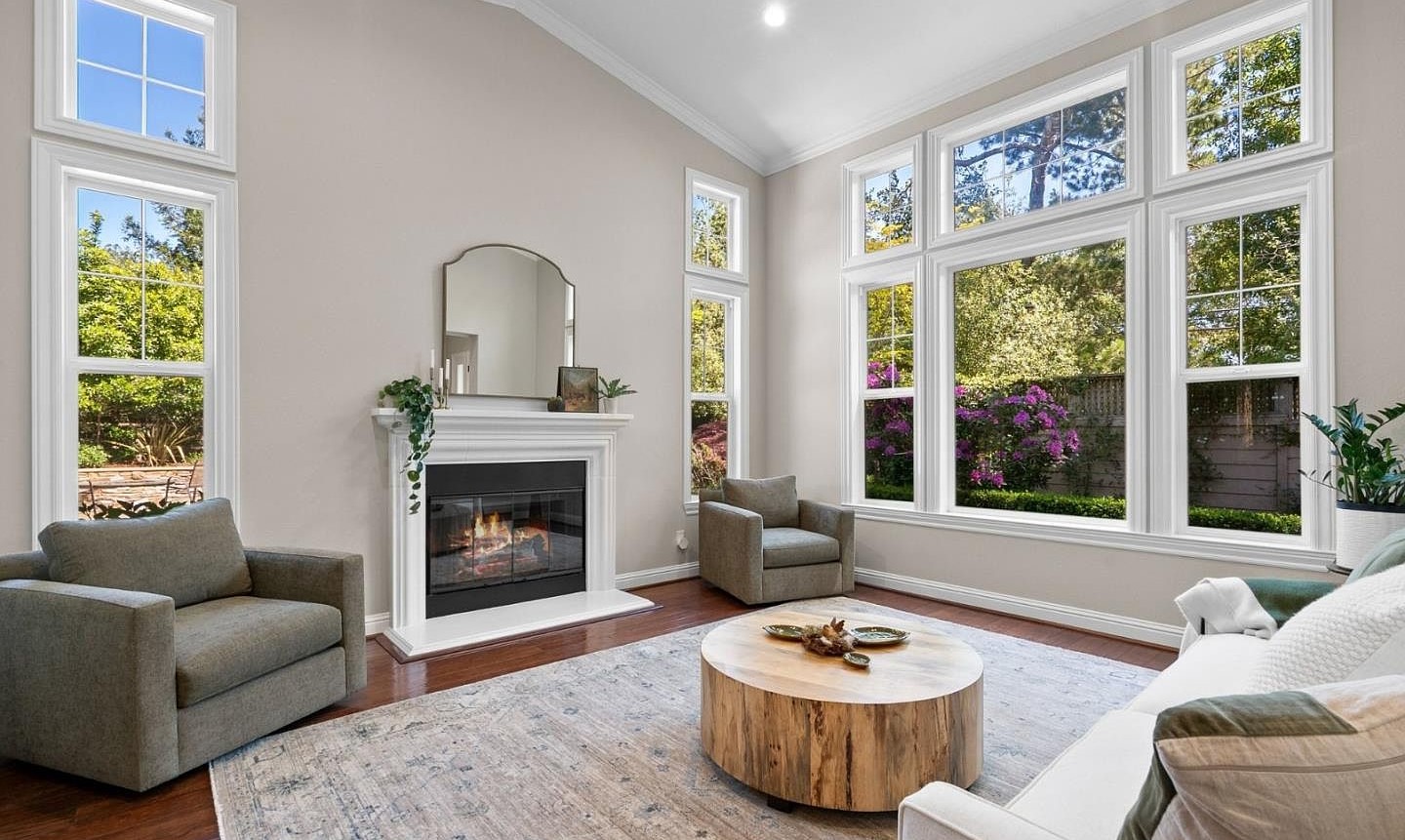
While open floor plans continue to attract attention, many buyers still prefer the privacy offered by traditional layouts.
Separate rooms can reduce noise and create boundaries between activities. A family member watching television in one room is less likely to disturb someone reading or working in another.
Privacy becomes especially valuable in larger households or multigenerational living situations.
Traditional layouts can also support more formal entertaining. Dedicated dining rooms provide a distinct setting for holiday meals and special occasions. Formal living rooms create additional gathering spaces without disrupting everyday household activities.
For homeowners who appreciate organization and separation between work, leisure and family life, traditional floor plans often provide a greater sense of control over how spaces are used.
This enduring appeal helps explain why traditional homes remain highly desirable throughout many Burlington County communities.
Resale Value Considerations in Burlington County
When choosing a layout, it is important to think beyond current preferences and consider future resale potential.
Modern layouts generally appeal to a broad range of today's buyers. Open concept designs often attract younger families, first-time buyers and individuals seeking contemporary living environments.
Because many new construction homes feature open floor plans, buyers frequently expect some degree of openness when shopping for homes.
However, traditional layouts continue to maintain strong market demand. Many buyers actively seek homes with formal spaces and defined rooms. Historic neighborhoods and established communities often feature traditional floor plans that retain excellent resale value.
The key factor is not necessarily whether a home is modern or traditional. Instead, buyers tend to focus on functionality, condition, location and overall livability.
In Burlington County's diverse housing market, both layout styles can perform well when thoughtfully designed and properly maintained.
Choosing the Right Layout for Families
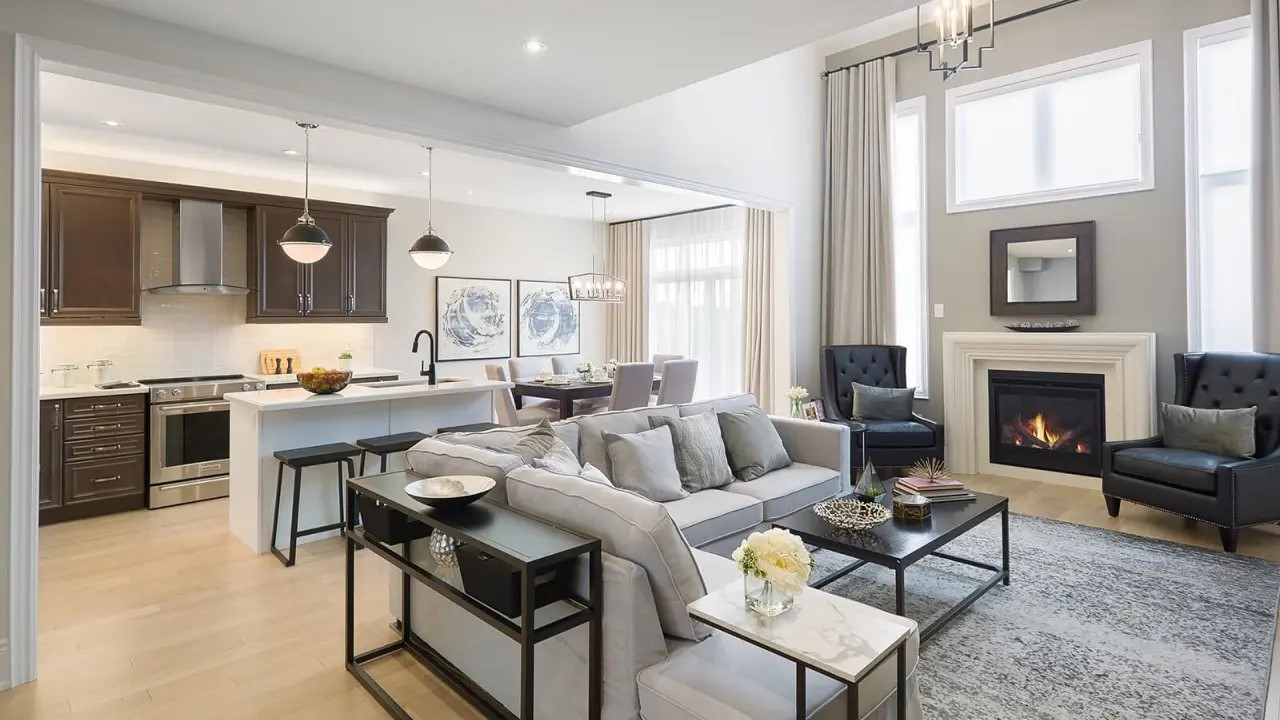
Families often have unique priorities when evaluating floor plans.
Modern layouts can make supervision easier. Parents can monitor children while cooking, cleaning or completing household tasks. Shared spaces also encourage family interaction and communication throughout the day.
Traditional layouts may be advantageous for families with older children who need quiet areas for studying or personal activities. Separate rooms can help reduce conflicts over noise and provide greater flexibility for individual schedules.
Growing families should also consider future needs. Children who enjoy open spaces today may later require private study areas, bedrooms or recreational rooms.
The ideal layout often balances openness with privacy, ensuring that the home can support changing household dynamics over time.
Energy Efficiency and Space Utilization
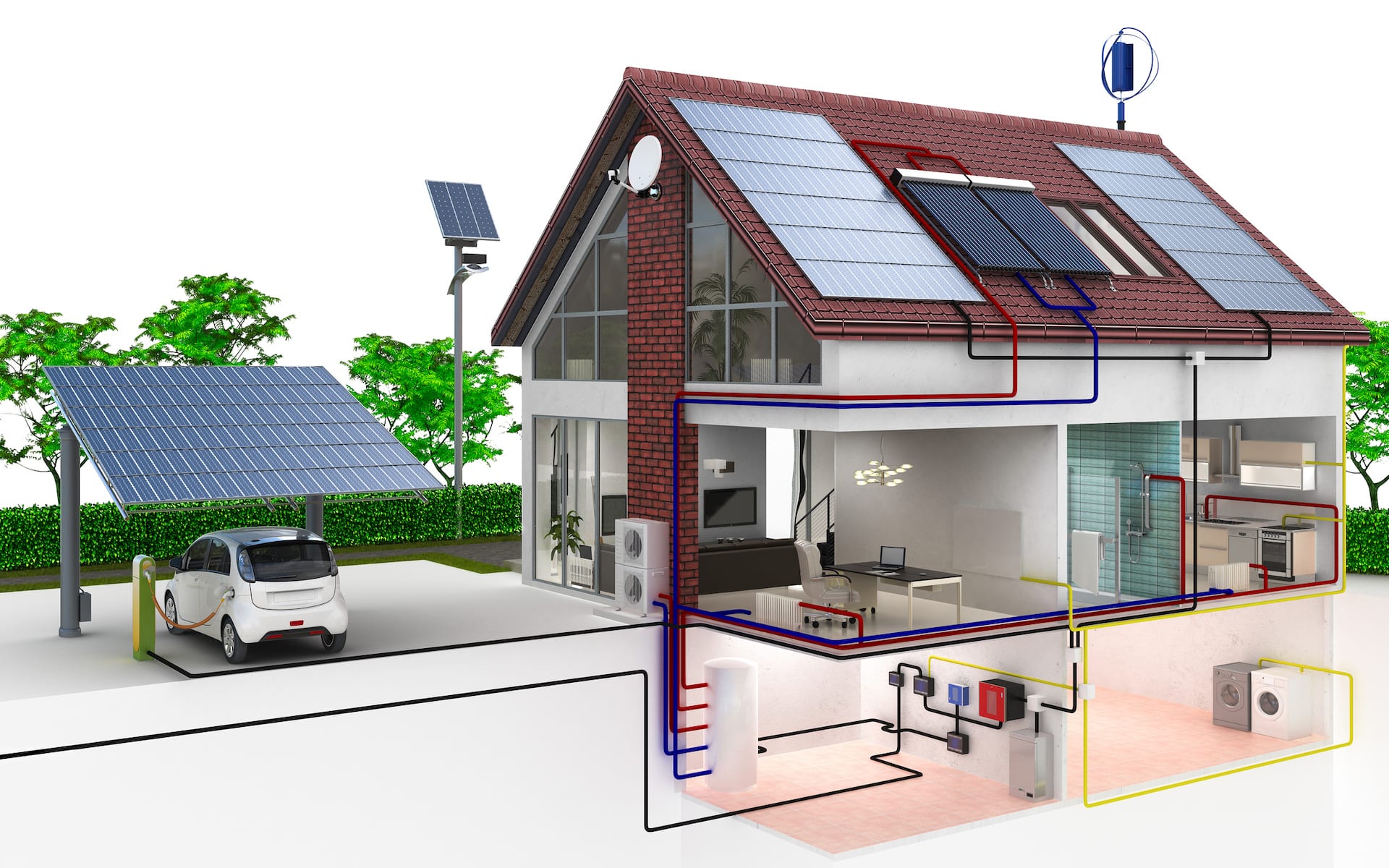
Layout design can also influence how efficiently a home functions.
Modern layouts often maximize usable square footage because fewer walls and hallways consume interior space. This can create a greater sense of openness without significantly increasing the home's overall size.
Natural light frequently travels more effectively through open floor plans, potentially reducing daytime lighting needs.
Traditional layouts may offer advantages when it comes to heating and cooling specific areas. Separate rooms can allow homeowners to focus energy use in occupied spaces rather than conditioning large open areas continuously.
While energy efficiency depends on many factors such as insulation, windows, HVAC systems and construction quality, layout design can still contribute to overall comfort and utility costs.
Homebuyers should evaluate how each floor plan aligns with their expectations for efficiency and daily functionality.
Questions to Ask Before Making a Decision

Before selecting a home layout, buyers should take time to evaluate several important questions.
How often do you entertain guests?
Do family members prefer shared spaces or private areas?
Will anyone work from home regularly?
Are children likely to need quiet study environments?
Do you enjoy formal dining experiences?
How important is flexibility for future lifestyle changes?
Would you rather have larger connected spaces or multiple dedicated rooms?
Answering these questions honestly can help clarify which layout will provide the greatest long-term satisfaction.
The right floor plan should support both current needs and future goals.
Finding the Balance Between Modern and Traditional Design
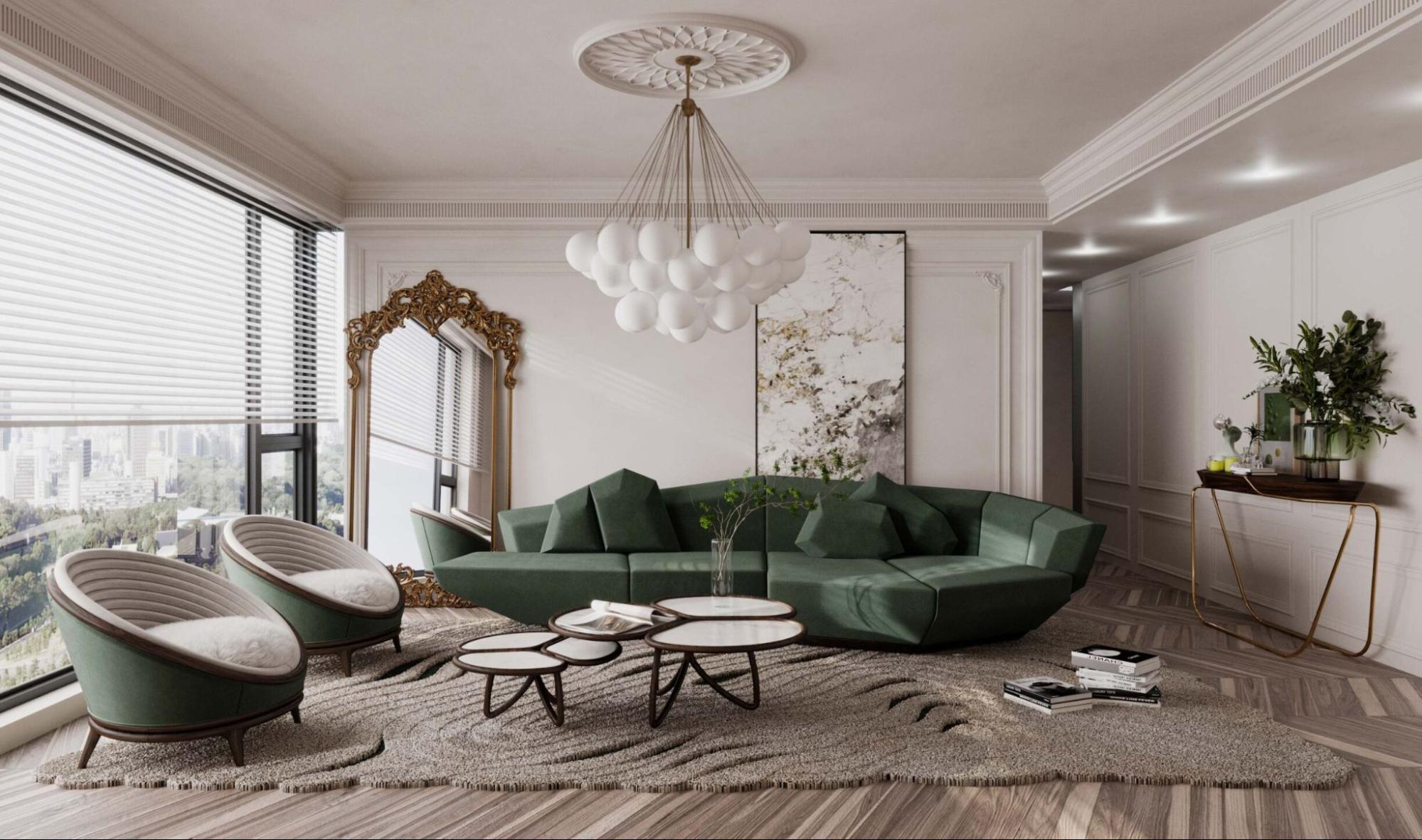
Many of today's homes combine elements from both layout styles.
Builders increasingly recognize that buyers want flexibility. As a result, hybrid floor plans have become more common throughout Burlington County.
These homes may feature open kitchens and family rooms while maintaining private offices, separate dining spaces or flexible bonus rooms.
This blended approach allows homeowners to enjoy the benefits of open living while preserving opportunities for privacy and focused activities.
For many buyers, a balanced design provides the best of both worlds.
Rather than choosing strictly modern or strictly traditional, homeowners can find layouts that incorporate features from each style to create a more versatile living environment.
Final Thoughts
Choosing between modern and traditional home layouts is a personal decision that should be guided by lifestyle, family needs, entertaining preferences and long-term goals. Neither option is universally better. Each offers distinct advantages that appeal to different types of homeowners.
Modern layouts provide openness, flexibility and connectivity that align with many contemporary lifestyles. Traditional layouts deliver privacy, structure and timeless functionality that continue to attract buyers throughout Burlington County.
The most successful home purchase is one that supports how you live every day while maintaining strong long-term value. Whether you prefer open concept living or clearly defined spaces, selecting the right floor plan can significantly enhance comfort, convenience and enjoyment.
For buyers exploring new construction opportunities or thoughtfully designed homes in Burlington County, Prawdzik Properties understands the importance of creating layouts that balance functionality, style and lasting value for today's homeowners.