How to Choose the Best Home Builder in Middlesex County, NJ: 7 Key Factors to Compare Beyond Price

Choosing a home builder is a major decision. The company you select will shape the finished property and your experience from the first design meeting to the final walkthrough. Price matters, but the lowest estimate does not always offer the best value. A proposal may exclude important work or include allowances that do not match your expected finishes. A fair comparison looks at the full scope and the people responsible for completing it. Early comparisons can prevent avoidable surprises later. A comparison also helps set realistic expectations for everyone involved from the outset.
Middlesex County has varied residential properties. Homeowners in Edison and Woodbridge may be updating established homes. Families in East Brunswick and Monroe may be considering a custom build or larger addition. Properties in Metuchen and Piscataway bring different site considerations. Local zoning and municipal reviews can also affect the process.
Look beyond each estimate. Compare experience and credentials. Understand the materials and work included. Contracts and communication deserve the same attention as cost. These seven factors can help you select a builder who offers lasting value.
1. Compare Home Builders Based on Relevant Project Experience
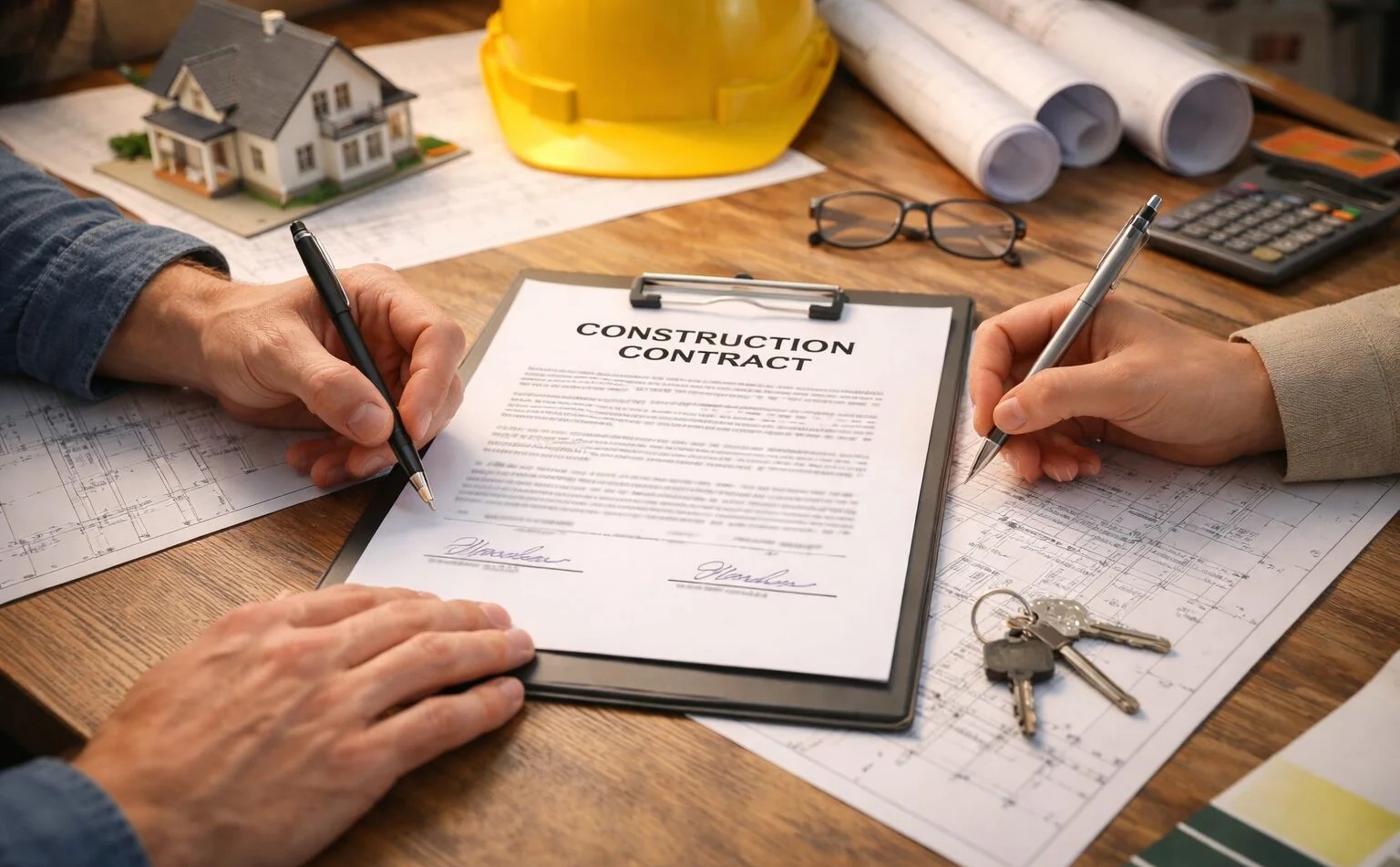
A builder's experience should match the work you are planning. New custom home construction requires different coordination from a whole-house renovation or a large addition. A new home builder may be skilled in site preparation and design coordination. A renovation specialist may know how to work around existing foundations and occupied homes. Look for a close match rather than relying on a general claim about years in business.
Ask for projects that resemble your plans. Find out what the builder handled and whether it managed the full project. An older home in Metuchen may need a different approach from a newer property in Monroe. A local builder should discuss these conditions with specific examples.
Request references from recent clients with similar projects. Ask whether the work matched the plans and how concerns were handled. Useful questions include:
- Did the company explain costs before approving changes?
- Was the project manager available when decisions were needed?
- Did the finished work match the written specifications?
- Would the homeowner hire the builder again?
Look for evidence that the company can deliver similar work with clear oversight. Ask who will supervise your project each day.
2. Verify New Jersey Builder Registration, Licensing and Insurance

Check credentials before comparing estimates. New Jersey has different registration requirements for new home builders and home improvement businesses. The rules depend on the work and contract arrangement.
The New Jersey Department of Community Affairs generally requires builders of qualifying new homes to register with the state. An active registration is required before a builder can obtain a permit for covered new home construction. Check the state's registered builder list and confirm that the legal business name matches the proposal. Specific exceptions can apply to certain owner-owned land arrangements. Ask the builder and local construction official which rules apply to your project.
Renovations and additions generally fall under home improvement rules. New Jersey's Division of Consumer Affairs includes residential additions and many remodeling services in this category. It provides a tool for checking a contractor's current registration. Check names against official records.
Ask for insurance certificates and confirm how subcontractors are insured. Verify registration and the business name. Review liability and workers' compensation documents along with trade credentials. Confirm who handles permits and inspections.
Registration does not guarantee good workmanship. It is a basic qualification check before you entrust a company with a major investment.
3. Evaluate Construction Quality, Materials and Workmanship
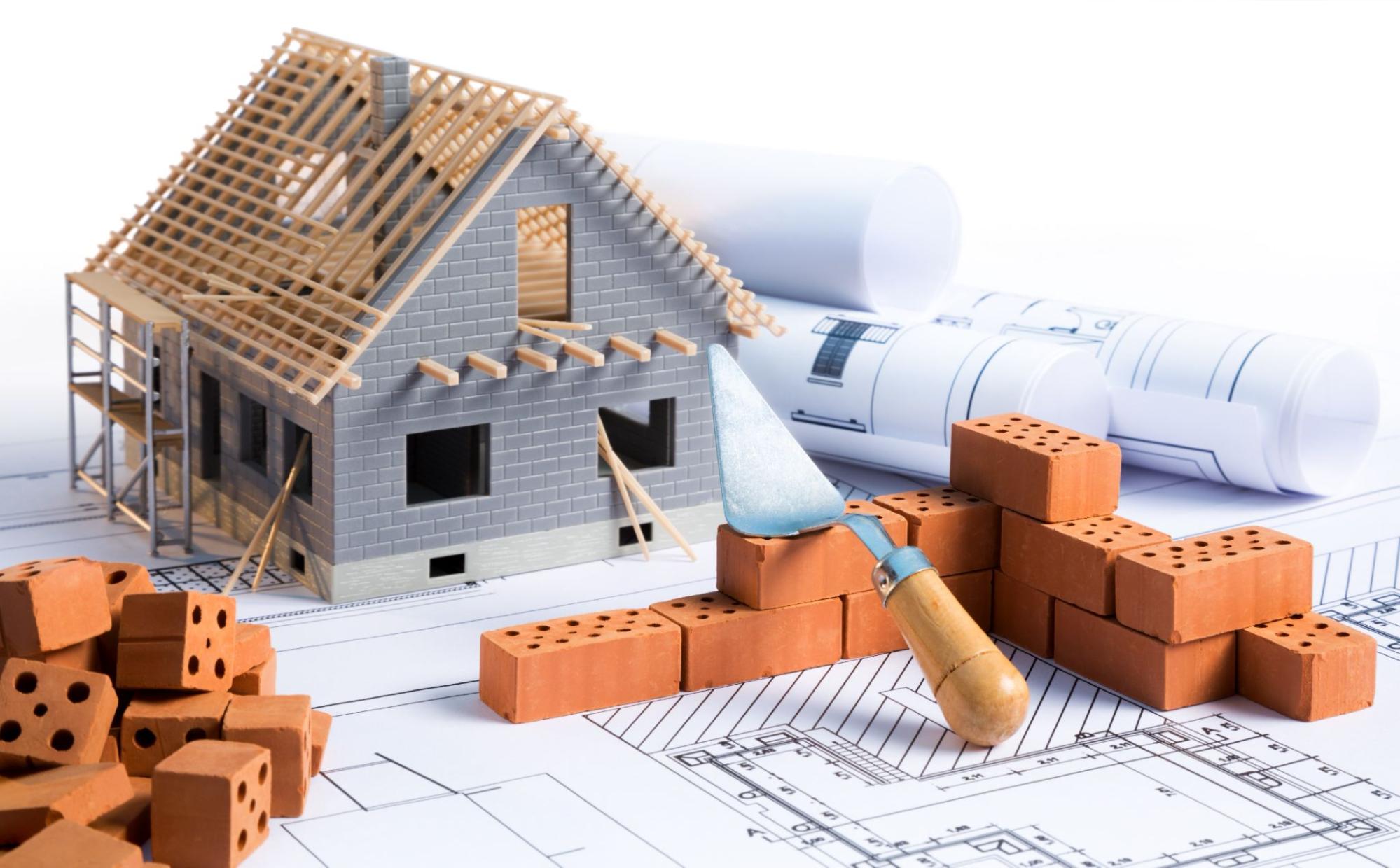
A finished room can look impressive while important work remains hidden. Long-term quality depends on structure and building systems as well as finishes. Compare product specifications instead of accepting broad claims about premium materials.
Ask for written specifications that identify products and explain what installation includes. A window allowance should describe the product and clarify whether delivery and installation are covered. Request similar details for roofing and siding as well as insulation and mechanical equipment.
For a new home or major addition in Middlesex County, discuss how the builder will assess the lot. Older homes may reveal unexpected conditions during demolition. An expanded footprint may require design and municipal coordination. Compare these quality details:
- Structural framing and work shown in the plans.
- Roofing and exterior materials suited to the design.
- Window and door product specifications.
- Insulation and air sealing methods.
- Plumbing and electrical installation standards.
- Flooring and cabinetry allowances.
- Protection of existing finishes during renovation.
Visit a completed project or active site with permission. Notice how materials are stored and ask who checks work before walls and ceilings are closed. A capable builder should explain why the products suit the project and how installation quality is reviewed. Ask how inspection results are documented.
4. Compare Itemized Quotes and Total Project Costs
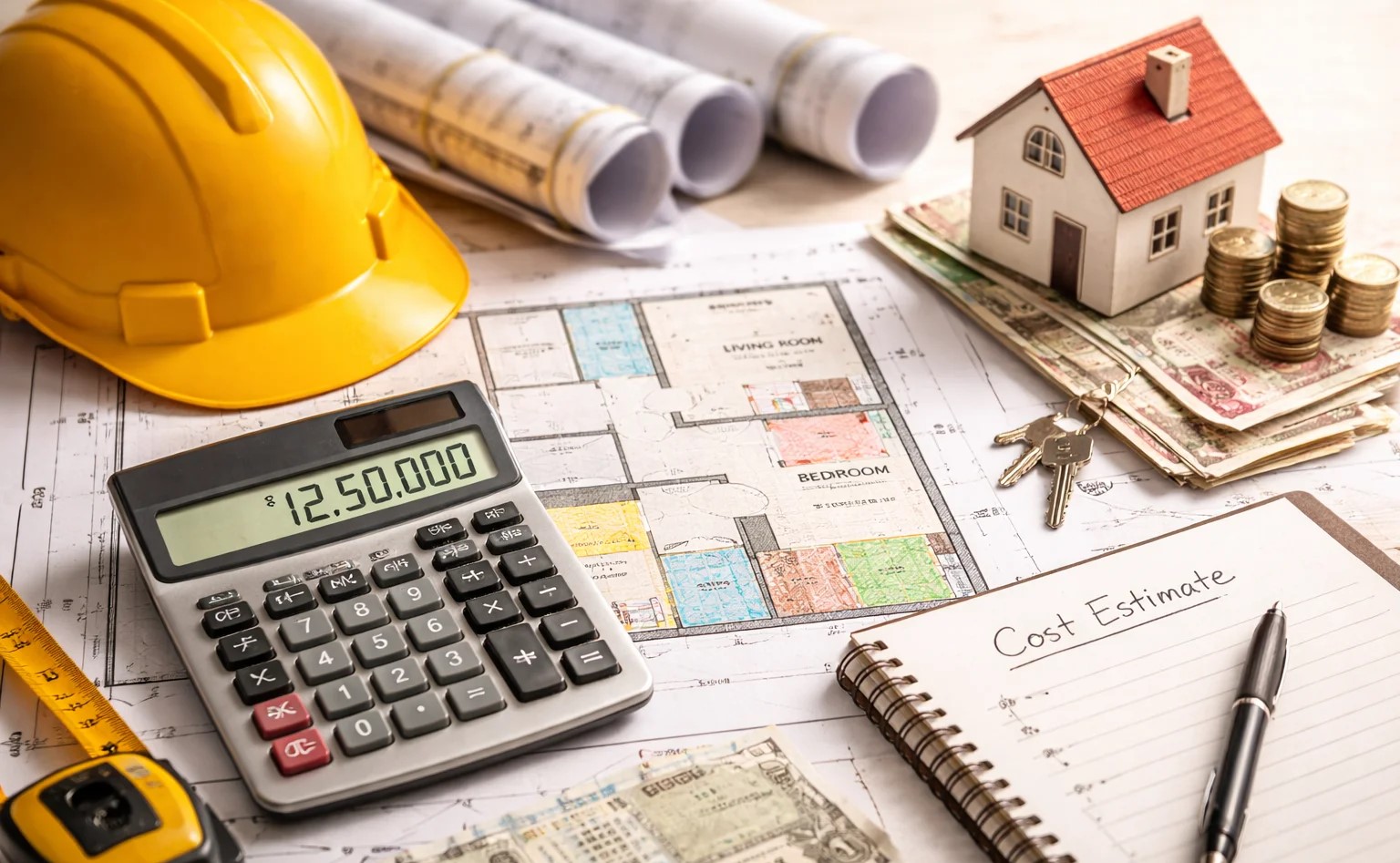
A project total does not reveal everything a builder offers. One proposal may include design coordination and site preparation while another leaves them to the homeowner. A lower estimate can become more expensive when omitted items are added later.
Give each builder the same plans and project details. Request a written estimate that separates major phases and identifies allowances. Check whether it includes:
- Design and engineering coordination.
- Demolition and site preparation where needed.
- Permit support and stated municipal fees.
- Labor and materials for major work categories.
- Windows and doors plus insulation and mechanical systems.
- Cabinets and flooring along with fixtures and finish selections.
- Debris removal and final cleanup.
- Allowances and clearly listed exclusions.
Pay close attention to allowances. These are budget amounts for selections that are not final. A small cabinet allowance can make an estimate appear lower than expected. Ask whether it covers the product alone or includes delivery and installation. Find out how overages and credits are calculated. Compare allowances using identical product selections.
Ask what assumptions could change the total. A written change order should describe revised work and show its cost and schedule impact before approval. Do not automatically choose the lowest quote or assume the highest guarantees better quality. The strongest proposal explains what is included and reflects realistic selections.
5. Review Contracts, Payment Terms and Change Order Policies

The contract turns discussions into clear responsibilities. It should describe the property and full scope of work. It must identify the plans and specifications used for the estimate. Put important promises in writing.
Read the payment schedule carefully. Link payments to project stages and ask what must be completed before each payment is due. Understand deposit terms and what happens if the project is delayed or cancelled. Consider an attorney review for complicated provisions.
Change orders also deserve attention. Homeowners may select different finishes or request layout changes after work begins. Demolition can reveal conditions that require extra work. The contract should explain how these changes are priced and approved. Confirm that it covers:
- The full scope and documents included with it.
- Payment amounts and project milestones.
- Approval of additional or revised work.
- Allowances and price adjustments.
- Responsibility for permits and inspections.
- Procedures for delays and disputes.
- Cleanup and completion requirements.
Ask for a written list of exclusions and homeowner responsibilities. If you must purchase fixtures or arrange a separate service then the agreement should say so. Clear terms help both sides understand what completion means. Keep signed copies of all approved changes.
6. Evaluate Construction Timelines, Project Management and Communication

A realistic timeline starts before work begins. Design and engineering take time. Municipal reviews and permits can affect the schedule. Ask the builder to explain these steps.
Request major milestones. A custom home moves from design and approvals to site preparation and foundation work. Framing and rough-ins precede insulation and interior finishes. Renovations follow a sequence based on the property and scope.
Ask how the builder coordinates with the municipality responsible for your Middlesex County property. Review procedures vary between towns. The company should identify required approvals and explain who submits the documents. Do not assume every municipality follows the same process.
Project management matters as much as scheduling. Ask who supervises the site and coordinates subcontractors. Find out how updates and decisions are recorded. Discuss:
- Expected start date and major milestones.
- Work that must happen before construction.
- The person responsible for daily site coordination.
- Frequency and format of progress updates.
- The process for questions and decisions.
- How weather or product delays are communicated.
A firm completion date may be unrealistic while approvals or material availability remain uncertain. Choose a builder who explains risks and communicates changes promptly. Good communication cannot prevent every delay but it can make the process more predictable.
7. Check Home Builder Warranties, Inspections and Post-Construction Support

Ask what inspections will take place and how outstanding items will be resolved. A final walkthrough lets homeowners review the work and record concerns. The builder should explain who will complete each item.
New Jersey's New Home Warranty Program applies to qualifying new homes. State guidance describes coverage for defects in materials and workmanship during the first year. Certain heating and other mechanical, electrical and plumbing systems receive coverage during the second year. Major structural defects receive coverage for ten years. The warranty booklet explains conditions and claim deadlines. Review it rather than assuming every issue has the same coverage period.
A renovation may have different warranty terms from a new home. Ask for the written workmanship warranty and confirm what is covered and how to submit a service request. Know the deadlines for filing a warranty claim.
Before closing, request:
- Final inspection records and approvals where applicable.
- Warranty documents and manufacturer information.
- Manuals for installed equipment and systems.
- A written list of remaining work and target dates.
- Contact information for post-construction questions.
Ask recent clients whether the builder remained responsive after handover. Keep the contract and approved changes along with payment and warranty records.
Final Thoughts: Choose a Middlesex County Home Builder for Long-Term Value
Choosing a home builder in Middlesex County means evaluating more than price. Experience and registration establish a starting point. Construction quality and a detailed estimate explain what you are paying for. A clear contract and realistic schedule set expectations. Warranty support matters after completion.
Use the same project details when comparing companies. This creates a fair basis for reviewing proposals. Speak with references and ask questions when something is unclear.
Prawdzik Properties works with homeowners planning custom homes on their own land as well as large renovations and additions. Its design-build approach connects planning with construction. The right Middlesex County team should understand the property and respect the homeowner's goals.
Choose a builder who offers transparent costs and dependable communication. Looking beyond price helps protect the project and your home's long-term value. This care protects your investment.