How to Choose the Best Finishes for a New Construction Home in Bergen County NJ
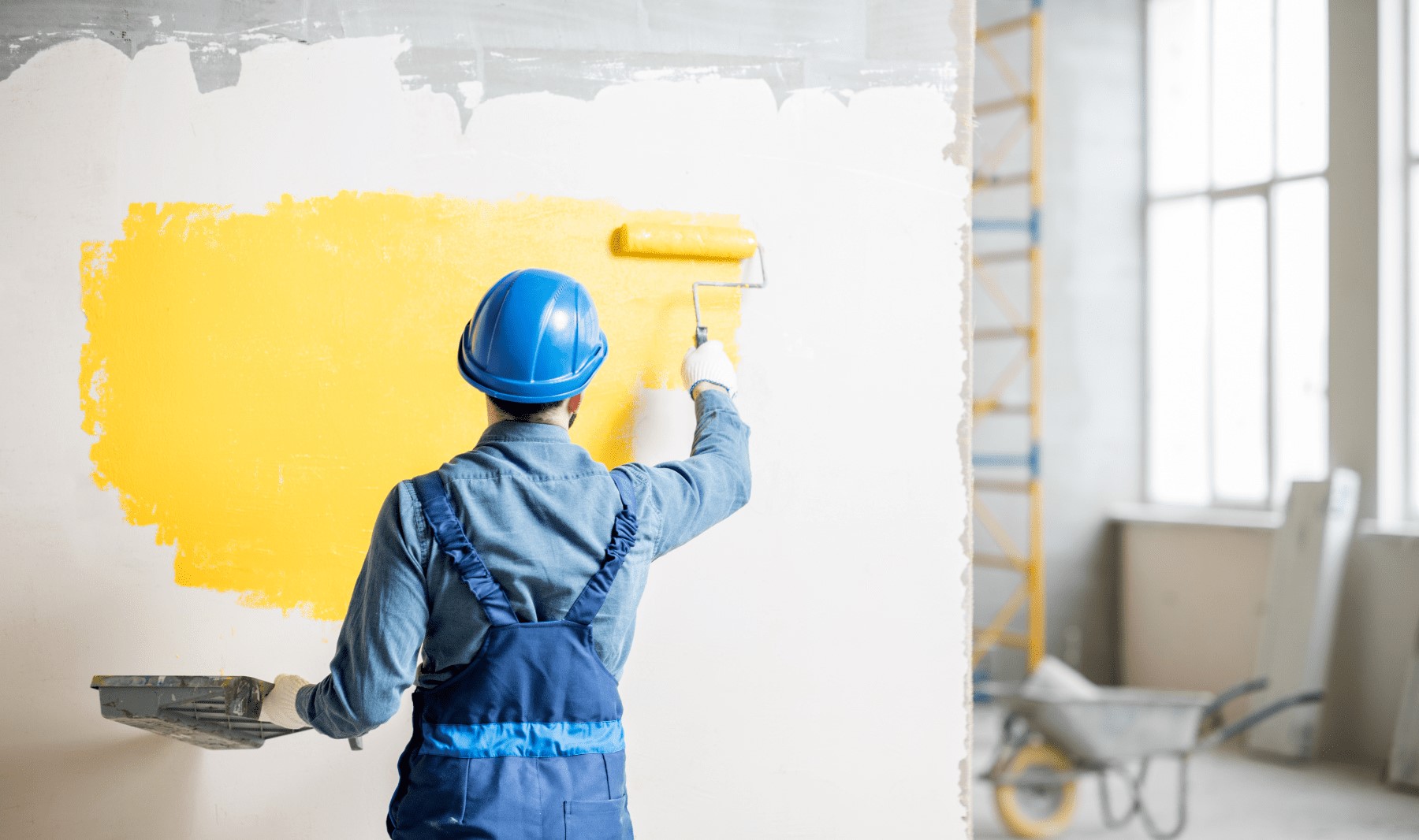
Homebuyers in Bergen County continue to look closely at comfort, design quality, usable space and long-term appeal when comparing new construction homes. That makes finish selections more important than they may appear at first. The right flooring, cabinets, countertops, lighting, fixtures, paint and trim can turn a well-built house into a home that feels personal and complete.
New construction creates a rare advantage for homeowners. You can make many finish decisions before the walls are closed and the rooms are furnished. Instead of adapting an existing home, you can create a consistent look from the entryway through the kitchen and primary suite. The key is to make choices as a connected system rather than selecting every material on its own.
For Bergen County homeowners, the process should reflect how the home will be used. A busy household may need durable flooring and easy-care surfaces. A family that entertains often may place greater value on a statement kitchen. A homeowner planning to stay for many years may prioritize timeless materials over short-lived trends.
This guide explains how to choose finishes with those goals in mind. Thoughtful planning makes the selection process easier and helps prevent expensive changes later.
1. Build a New Construction Finish Plan Before You Choose Materials

The most common finish mistake is shopping too early without a complete plan. A beautiful tile sample can look very different when it sits beside a cabinet door or a countertop. Creating a finish plan helps every decision support the next one.
Start by deciding the overall direction of the home. Bergen County homes can suit many styles from traditional and transitional designs to clean modern interiors. Choose one broad design language first. You can then add personality through lighting, hardware, furniture and selected accent materials.
Create a simple finish board that includes:
- Main flooring
- Kitchen cabinet color and door style
- Countertop material
- Backsplash tile
- Bathroom tile
- Interior door and trim colors
- Plumbing fixture finishes
- Lighting finishes
- Wall paint colors
Keep physical samples together whenever possible. Natural and artificial light can change how a material appears. Review samples at different times of day before making final selections. Your builder or designer can also explain how each product will perform in a real residential setting.
2. Choose Durable Flooring for Bergen County Lifestyles
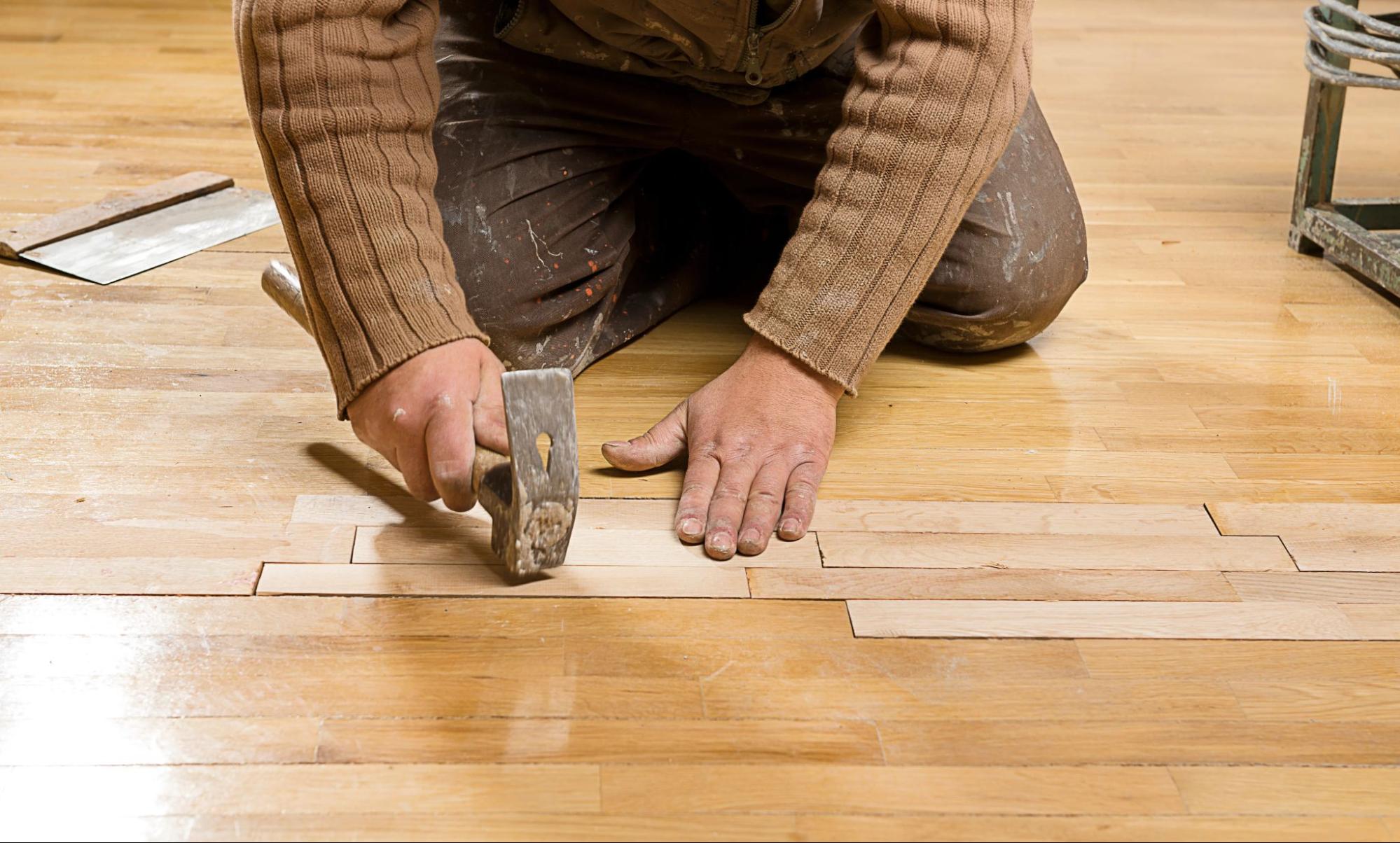
Flooring covers more visual space than almost any other interior finish. It affects the appearance of nearly every room. It also receives daily wear from shoes, children, pets, furniture and entertaining.
For many Bergen County homeowners, the best flooring choice combines durability with a refined appearance. Engineered hardwood is a popular option because it provides a natural wood look with construction designed for residential use. Luxury vinyl can also provide strong everyday performance with many visual options. Porcelain tile works well in entry areas, bathrooms, mudrooms and other spaces where moisture resistance matters.
Consider the function of each room before choosing one floor for the entire house. A foyer may benefit from a tougher surface than a formal sitting room. A mudroom needs to handle wet shoes and seasonal debris. Bedrooms may call for a warmer and quieter material underfoot.
When comparing flooring, look at:
- Scratch and wear resistance
- Moisture performance
- Cleaning requirements
- Color variation
- Maintenance over time
- Compatibility with the home’s design
A medium-toned floor with natural variation can also be forgiving in active spaces. Very dark floors may show dust more easily. Very light floors can highlight certain stains. Think about how the finish will look after years of real family use rather than only how it looks in a showroom.
3. Select Kitchen Cabinets and Countertops as One Design
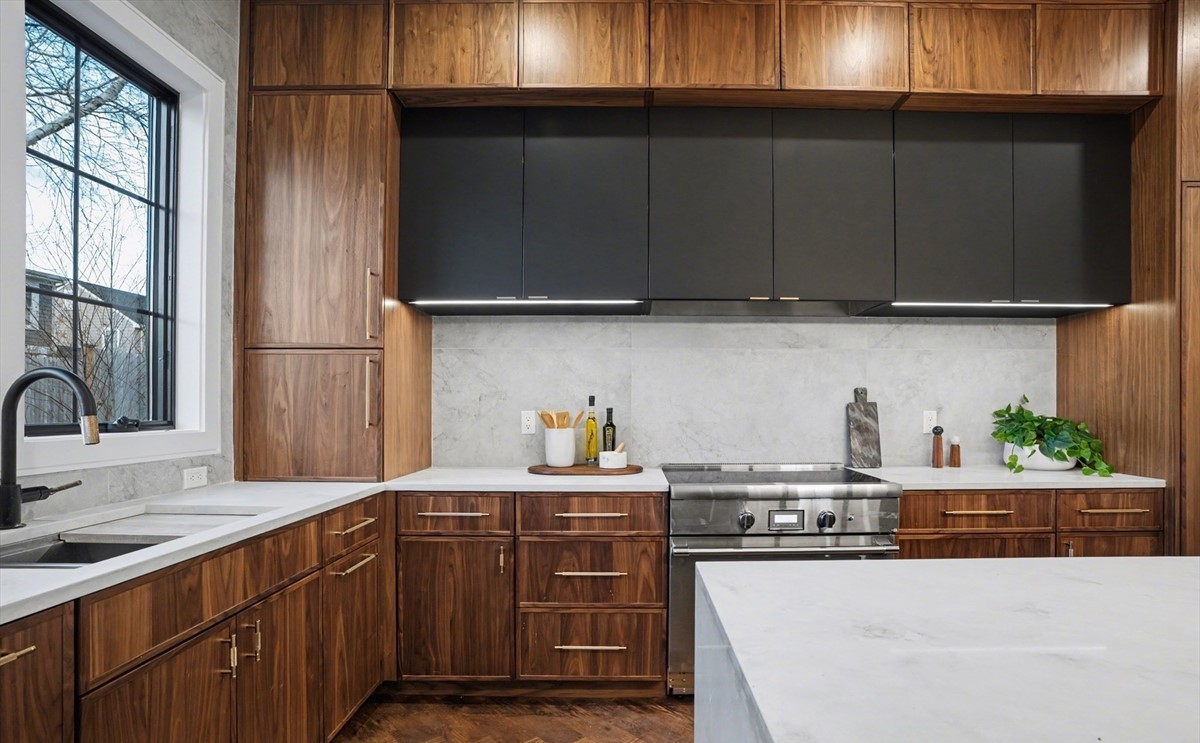
The kitchen often becomes the visual center of a new construction home. Cabinets and countertops should therefore be selected as a pair rather than as separate purchases.
Begin with cabinet color and door style. Warm whites, natural wood tones, soft neutrals and muted greens can create a welcoming feel without making the space look dated too quickly. Shaker doors remain versatile because they can support traditional, transitional or contemporary design directions.
Then select the countertop. Quartz is often attractive to homeowners who want a polished appearance with relatively straightforward maintenance. Natural stone can provide unique movement and texture. Each material has different care requirements. Ask your builder or supplier how it should be cleaned and maintained.
Pay close attention to scale. A countertop with strong veining can become the main visual feature. In that situation, simpler cabinets and a restrained backsplash may create better balance. If the cabinets provide the visual statement, the countertop can play a quieter supporting role.
Do not overlook the island. In many Bergen County homes, the island serves as a work zone, gathering place and casual dining area. Its size, seating, storage and finish can influence how practical the entire kitchen feels.
4. Coordinate Bathroom Tile and Plumbing Fixtures
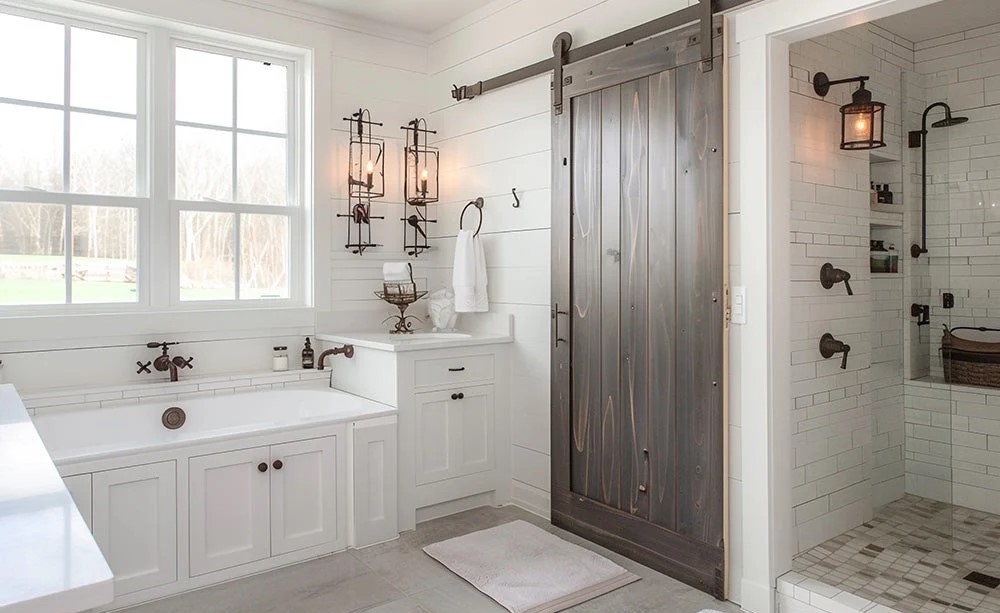
Bathrooms offer an opportunity to create a distinct look while maintaining consistency throughout the home. The best finish selections usually combine durable surfaces with easy maintenance and a design that feels intentional.
Start with the largest visual surface. That may be the shower wall tile or the main bathroom floor. Once the primary tile is selected, choose secondary materials that complement it.
A stone-look porcelain tile can pair well with a simple wall tile and brushed metal fixtures. A clean white tile can support warmer wood-toned vanities. Textured tile can add interest without requiring a complicated color scheme.
Fixture finishes should also connect with the wider home. Popular choices include brushed nickel, matte black, polished chrome and warm metallic finishes. You do not need every fixture in the home to match perfectly. Consistency matters more than absolute uniformity.
Think about practical details too. Large-format tile can reduce grout lines on some surfaces. Slip resistance matters for wet areas. Smaller tiles may create more visual texture while offering more grout joints. Your design team can help match the tile format to the room’s size and function.
5. Use Lighting, Hardware and Interior Doors to Add Character
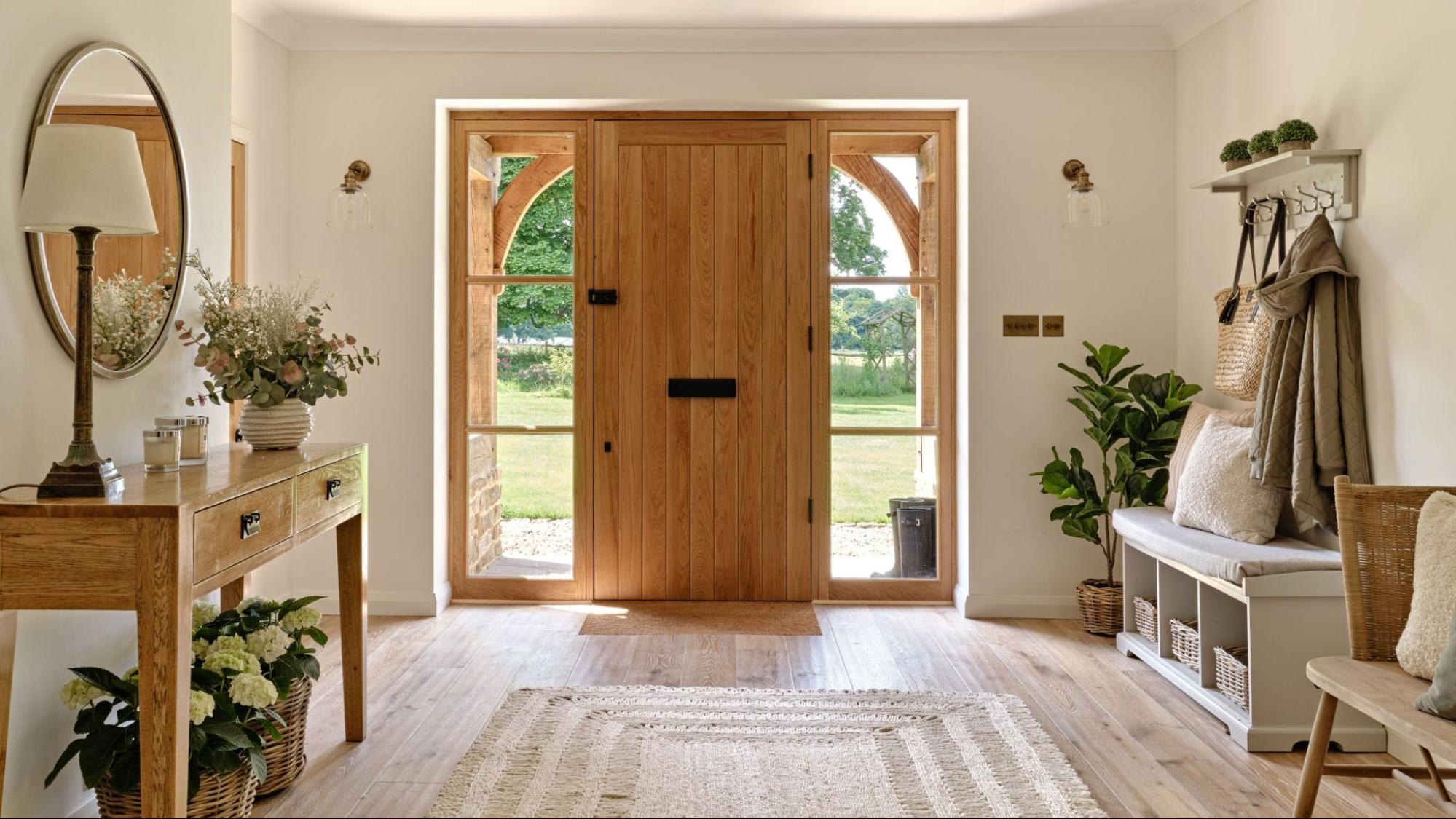
Some of the most noticeable upgrades are not the largest materials. Lighting, cabinet hardware, plumbing details and interior doors can strongly influence how a new home feels.
Lighting deserves early attention because fixture locations and electrical planning need to align with the design. A thoughtful plan combines general lighting with task lighting and decorative fixtures.
Consider layered lighting in areas such as:
- Kitchen islands
- Dining areas
- Bathroom vanities
- Stairways
- Entry spaces
- Home offices
Cabinet hardware is another simple way to establish personality. Long pulls can create a contemporary look. Knobs and shorter pulls can feel more traditional. Hardware should feel comfortable in the hand while also complementing the cabinet design.
Interior doors can add another layer of detail. A simple panel door can create a timeless appearance. More decorative profiles can support a traditional Bergen County home. Glass doors may work well for offices or statement spaces.
These elements should work together. When the hardware, lighting, doors and plumbing finishes share a common design direction, the home feels more thoughtfully composed.
6. Choose Paint Colors and Trim That Support the Architecture
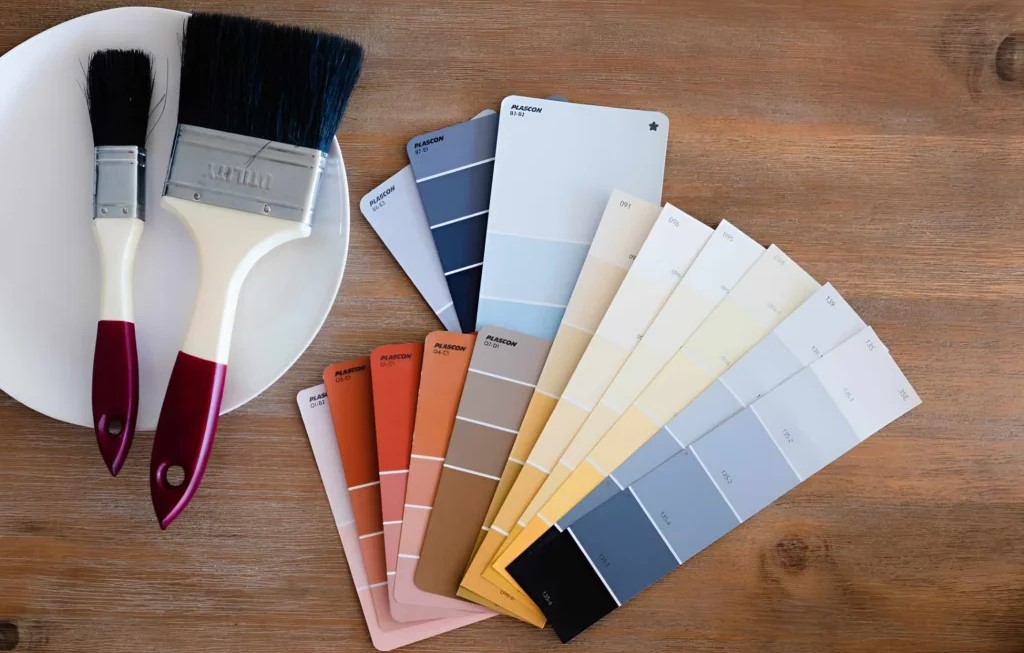
Paint is often treated as an easy decision because it can be changed later. Yet choosing it well can make the architectural details of a new construction home much more noticeable.
Start with the natural strengths of the house. Consider ceiling height, window size, room orientation and the amount of daylight each space receives. A bright room can handle deeper tones more easily than a darker room. A long hallway may benefit from a lighter color that improves visual continuity.
Neutral colors remain useful because they create flexibility. Warm whites and soft taupes can pair with many flooring and cabinet combinations. Deeper colors can add focus to a study, dining room, powder room, or accent wall.
Trim and interior doors should also be considered alongside the wall color. Crisp white trim creates a familiar contrast. A softer trim color can create a quieter appearance. Matching doors and trim may make the home feel more unified.
Before committing to a full-house color, test samples on several walls. Paint can shift dramatically under different lighting conditions. A color that looks perfect on a small sample may feel different across an entire room.
7. Balance Style, Durability, Budget and Your Finish Checklist

Prioritize Where Your Money Matters Most
Finish selections become easier when you decide where to invest and where to save. Not every room needs premium materials. Focus your budget on finishes that affect use.
Consider investing more in:
- Kitchen countertops and main flooring
- Primary bathroom surfaces
- Kitchen hardware and statement lighting
- Entryway finishes
Think about how often each surface will be touched, walked on, cleaned, or noticed.
Keep Secondary Spaces Practical
Savings can come from keeping secondary spaces simpler. A guest bathroom may not need the same customization as the primary suite. A laundry room can focus on function. A secondary bedroom can use dependable flooring and a flexible paint color.
Also consider replacement cycles. A finish that looks inexpensive today may become costly when it needs early replacement. A durable material with a higher initial price may provide better value over time.
For a Bergen County custom home, larger spaces require more flooring, tile, cabinetry, trim and hardware. Review allowances before approving upgrades. Ask your builder for clear pricing so each decision stays connected to the overall budget.
Review the Whole Finish Package Before Approval
A house can have excellent materials and still feel disconnected when every selection follows a different direction. Before final approval, review the package together. Compare samples and plans.
Use this checklist:
- Confirm every finish against current plans.
- Verify cabinets, countertops, tile and flooring together.
- Review fixture finishes from room to room.
- Check lighting selections against ceiling plans.
- Confirm paint colors with flooring and trim.
- Ask about care, maintenance, lead times and warranties.
- Review all allowances before approving upgrades.
Think beyond move-in day. Choose finishes that match how your household lives and support routines for years. Timeless choices provide lasting appeal while upgrades make the home feel yours.
Final Thoughts
Choosing finishes for a new construction home is an important part of creating a property that feels comfortable, functional and distinctly yours. In Bergen County, homeowners can benefit from a thoughtful approach that balances local lifestyle needs with timeless design and durable materials.
Prawdzik Properties helps homeowners bring those decisions together through a coordinated design and build process. The goal is not simply to select attractive finishes. It is to create a complete home where materials, architecture, function and personal style work together from the beginning.