How to Build an Energy-Efficient Custom Home in Union County NJ Without Sacrificing Comfort
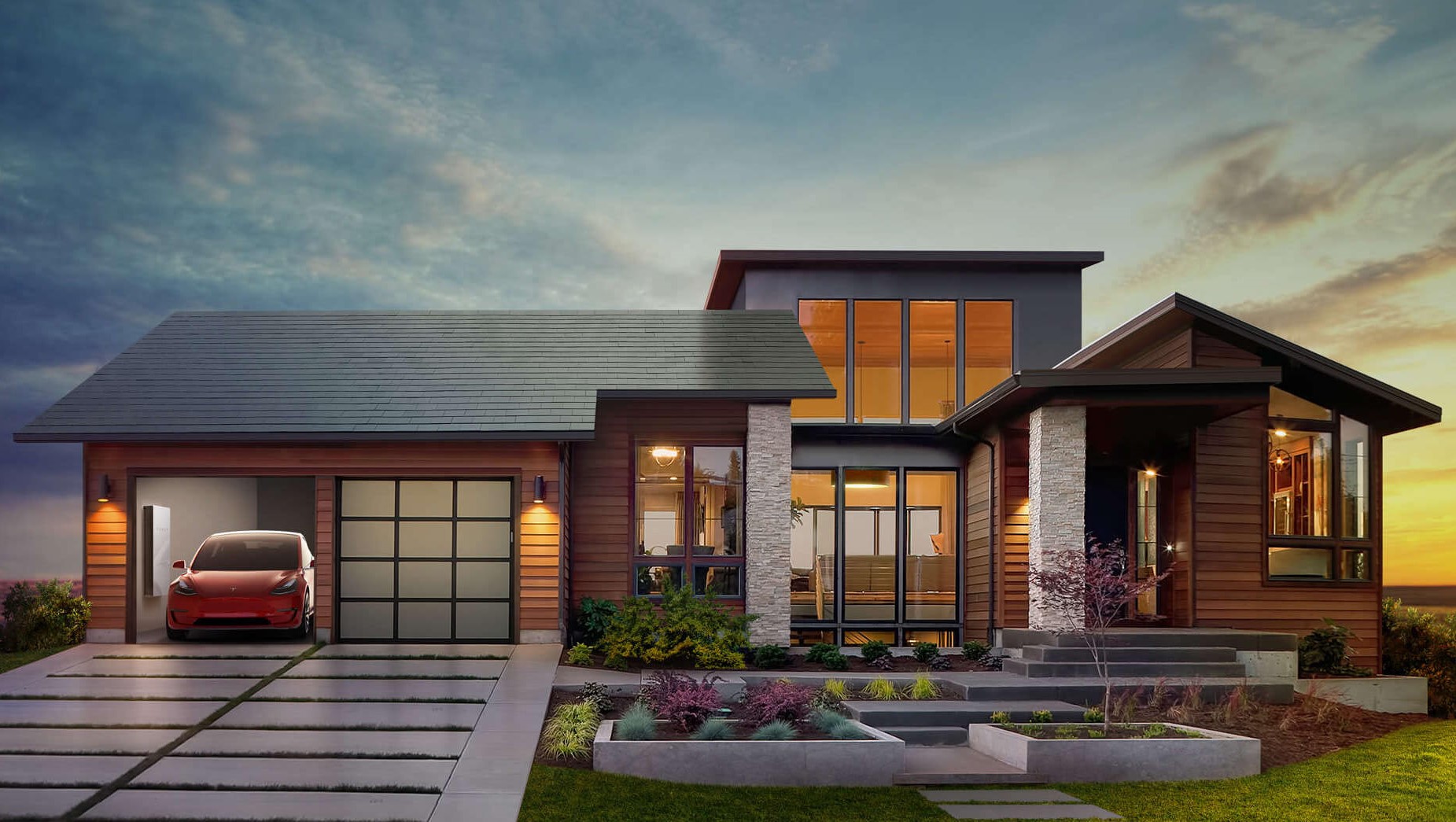
Homeowners across Union County are placing greater value on comfort and energy performance. A custom home offers a unique opportunity to address both goals from the beginning. The most successful approach does not turn a house into a technical project. It creates a home that feels comfortable while using energy in a smarter way.
Union County experiences cold winters and warm humid summers. Good design can help maintain steady indoor temperatures throughout the year. It can also reduce drafts and improve indoor air quality. Sustainability should begin before construction starts. It should influence the layout of the home and the choice of materials. It should also guide the design of windows and mechanical systems. When these decisions work together the result can be a more efficient and comfortable custom home.
Why Energy Efficiency Matters for Union County Custom Homes
Energy efficiency begins with the way a home functions as a complete system. Insulation affects how quickly heat moves through the walls and roof. Windows influence indoor temperatures and natural light. Air sealing helps limit unwanted heat loss. HVAC equipment then works with the building envelope to maintain comfort.
A common mistake is to treat efficiency as a list of separate upgrades. A high-efficiency furnace cannot solve every performance problem. Better windows also cannot compensate for poor insulation.
An energy-efficient custom home can provide several practical advantages:
- More consistent indoor temperatures
- Fewer drafts and cold spots
- Better control of indoor moisture
- Lower energy demand
- Improved indoor air quality
- Less strain on mechanical equipment
- Better long-term durability
Union County also includes many established communities with distinct residential character. Sustainable features can fit naturally into a custom design. Homeowners can pursue modern performance while maintaining the look they want for the property.
Build a Strong Building Envelope First
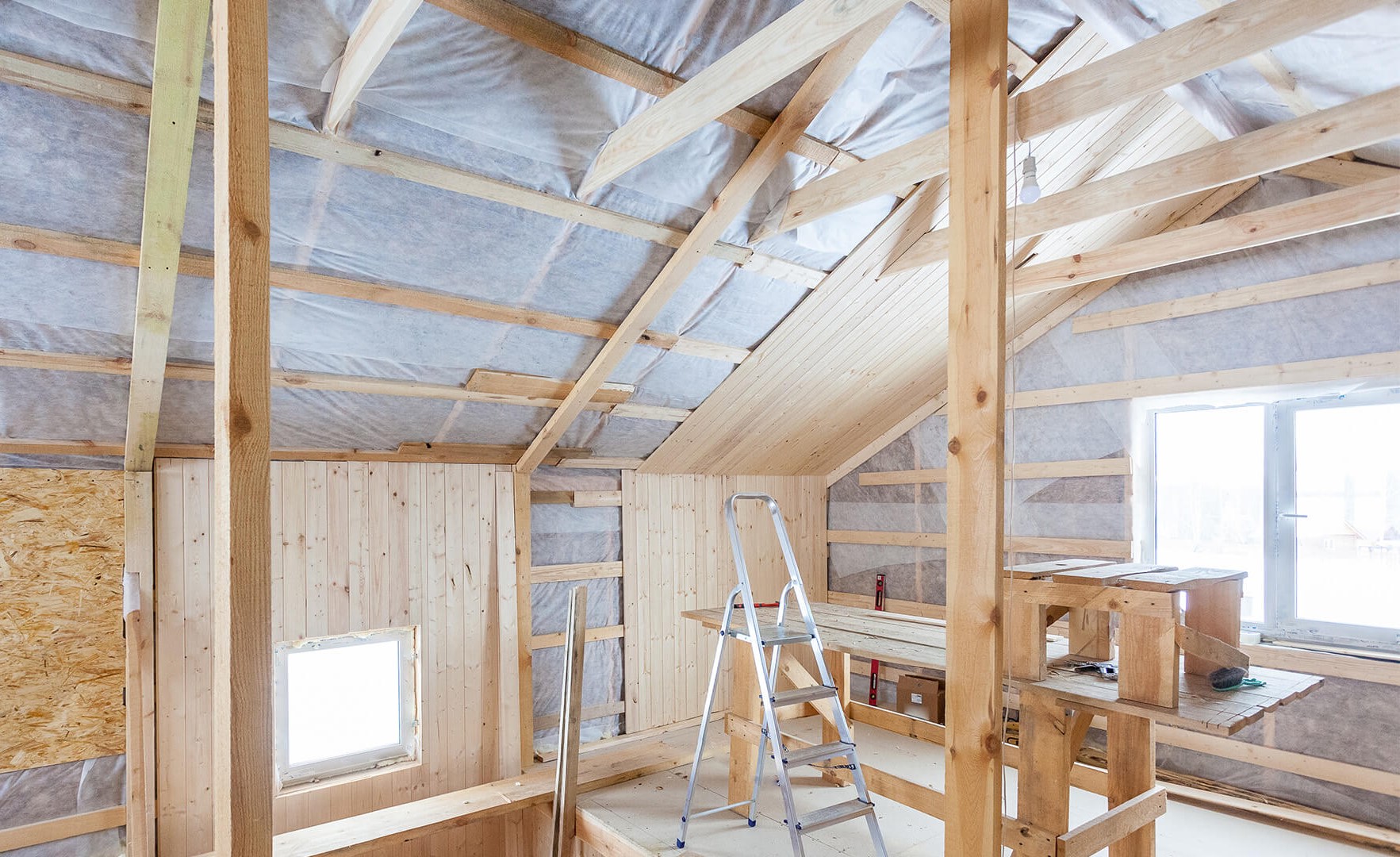
The building envelope separates the conditioned interior from outdoor conditions. It includes the walls and roof as well as windows and doors. The foundation also plays an important role in overall performance.
A strong envelope reduces unwanted heat transfer. That can help keep warm air inside during winter. It can also help block excess heat during summer. The HVAC system then has less work to do.
Insulation should be selected for each area of the home. Attic insulation may require a different approach from wall or foundation insulation. Installation quality is equally important during construction. Small gaps can reduce the expected benefit.
Air sealing deserves just as much attention. Uncontrolled air movement can occur around plumbing and electrical openings. It can also occur around windows and doors. These small gaps may seem insignificant. Their combined impact can still be substantial.
Key priorities include:
- Consistent insulation coverage throughout the envelope
- Careful air sealing around common openings
- Properly insulated attic and roof areas
- Sealed rim joists and foundation connections
- Durable weather protection systems
- Quality checks during construction
A well-designed envelope can make a noticeable difference in comfort. Rooms can remain more stable as outdoor temperatures change.
Choose High-Performance Windows for Comfort and Daylight
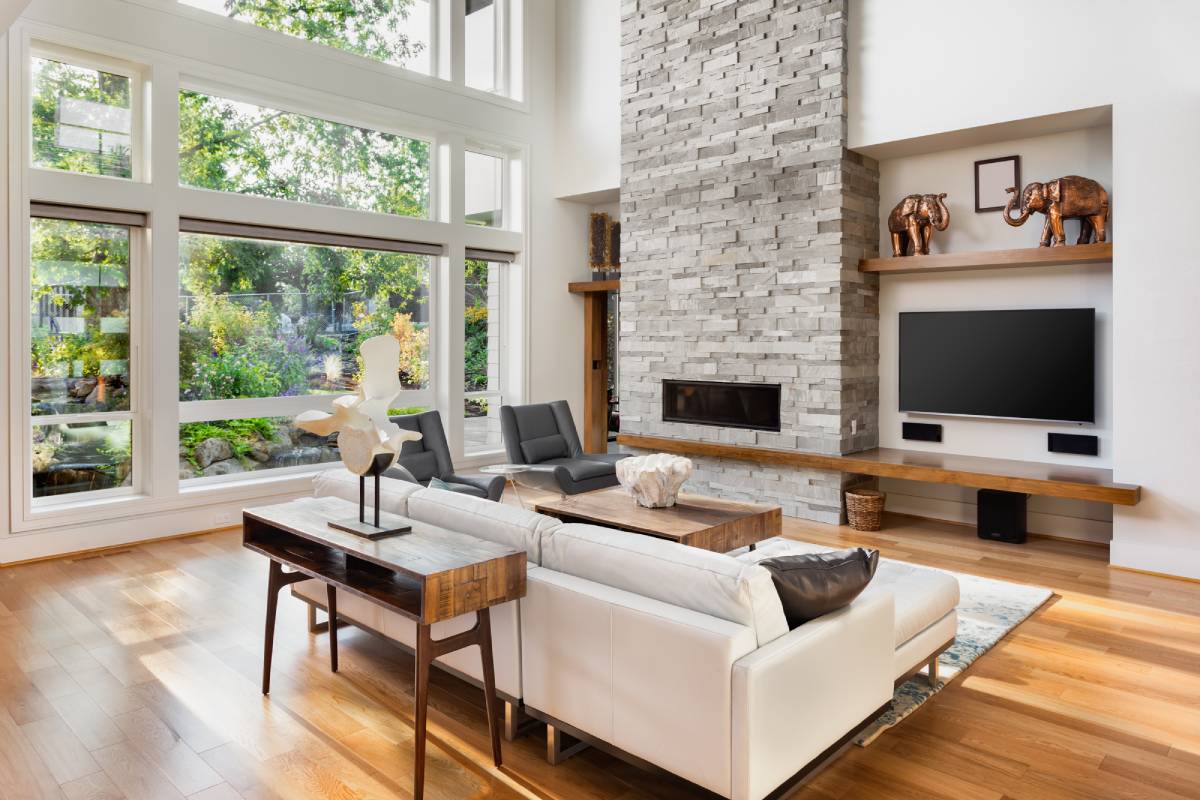
Windows are one of the most visible parts of a custom home. They also have a strong influence on energy performance. Large windows can create bright and inviting rooms. Poorly selected windows can also create uncomfortable spaces.
Union County homeowners should consider window performance during the early design stage. The choice of glass matters greatly. The frame construction also affects performance. Installation quality can be just as important as the window itself.
The position of each window should respond to the property. Morning and afternoon sun can affect different rooms in different ways. A thoughtful plan can bring useful daylight into living spaces. It can also reduce unwanted solar heat gain.
Consider these strategies:
- Choose glazing that fits the home's orientation
- Consider low-emissivity glass for better thermal performance
- Plan shading for areas that receive strong summer sun
- Use natural light in rooms that see frequent daytime use
- Coordinate windows with insulation and air sealing
- Use careful flashing and installation details
Large windows and sustainability can work together. The goal is to control heat transfer while keeping the home bright.
Design Heating and Cooling Around the Home
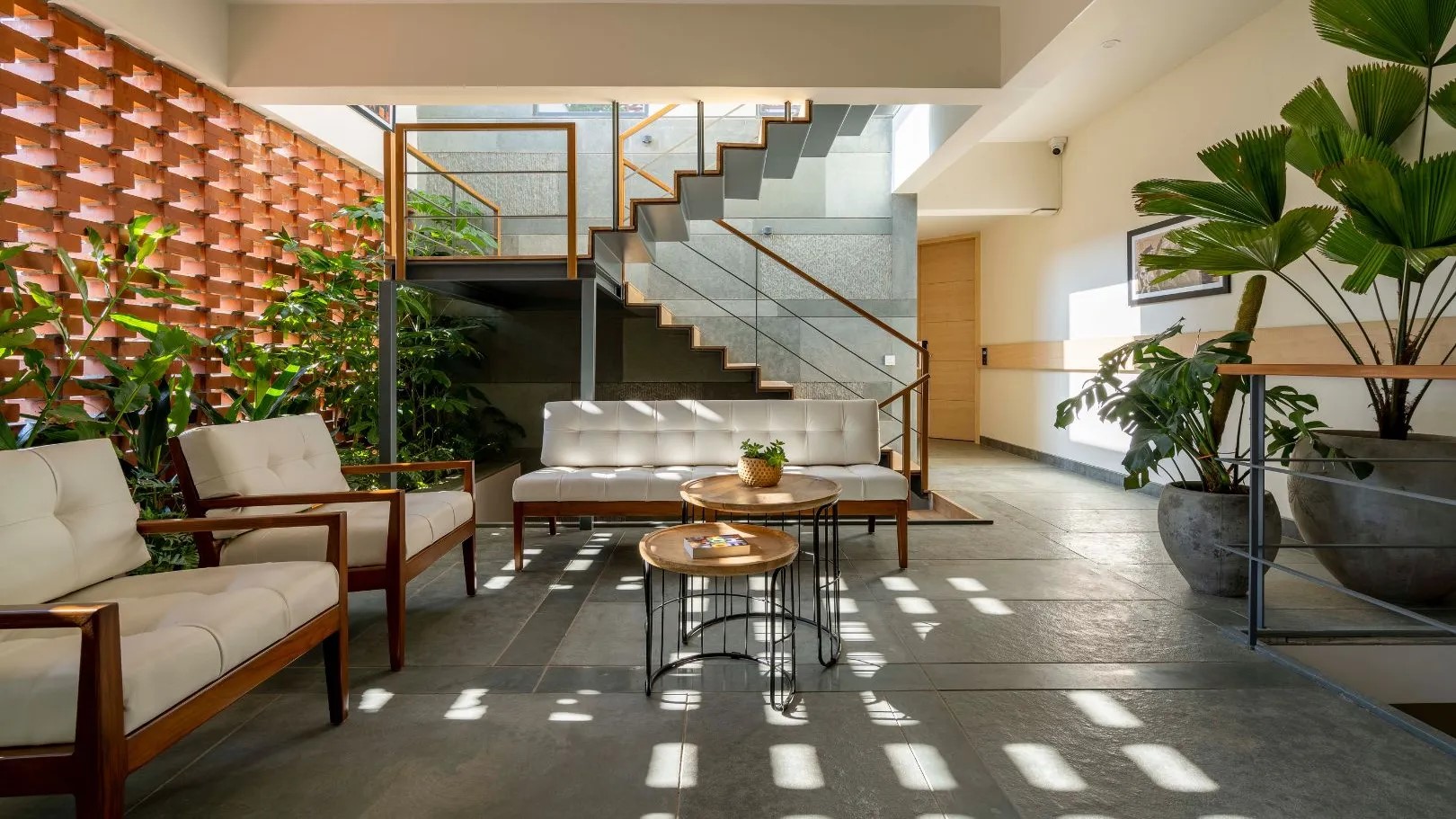
A comfortable custom home needs an HVAC system that matches the building. Bigger equipment is not automatically better. Oversized equipment can cycle too often. It may also create uneven temperature control.
Heating and cooling loads should be calculated from the actual design. The size of each room matters. Insulation levels can also change demand. Window area and orientation can affect the final load. Air sealing can further reduce heating and cooling demand.
Heat pumps can be a strong option for homeowners who want an efficient system. High-efficiency furnaces can also provide excellent performance. The right choice should reflect the home's design and the homeowner's goals.
The full HVAC system should be planned as one complete strategy:
- Use accurate heating and cooling calculations
- Select equipment that matches the home's actual demand
- Design ducts for strong and balanced airflow
- Seal duct connections during installation
- Insulate ducts where the design requires it
- Consider zoning for larger or multi-level homes
- Install controls that suit the household routine
- Test and commission the system before occupancy
A good HVAC design should do more than reach a target temperature. It should reduce hot rooms and cold rooms. It should also support quieter operation and better humidity control.
Improve Ventilation and Water Efficiency
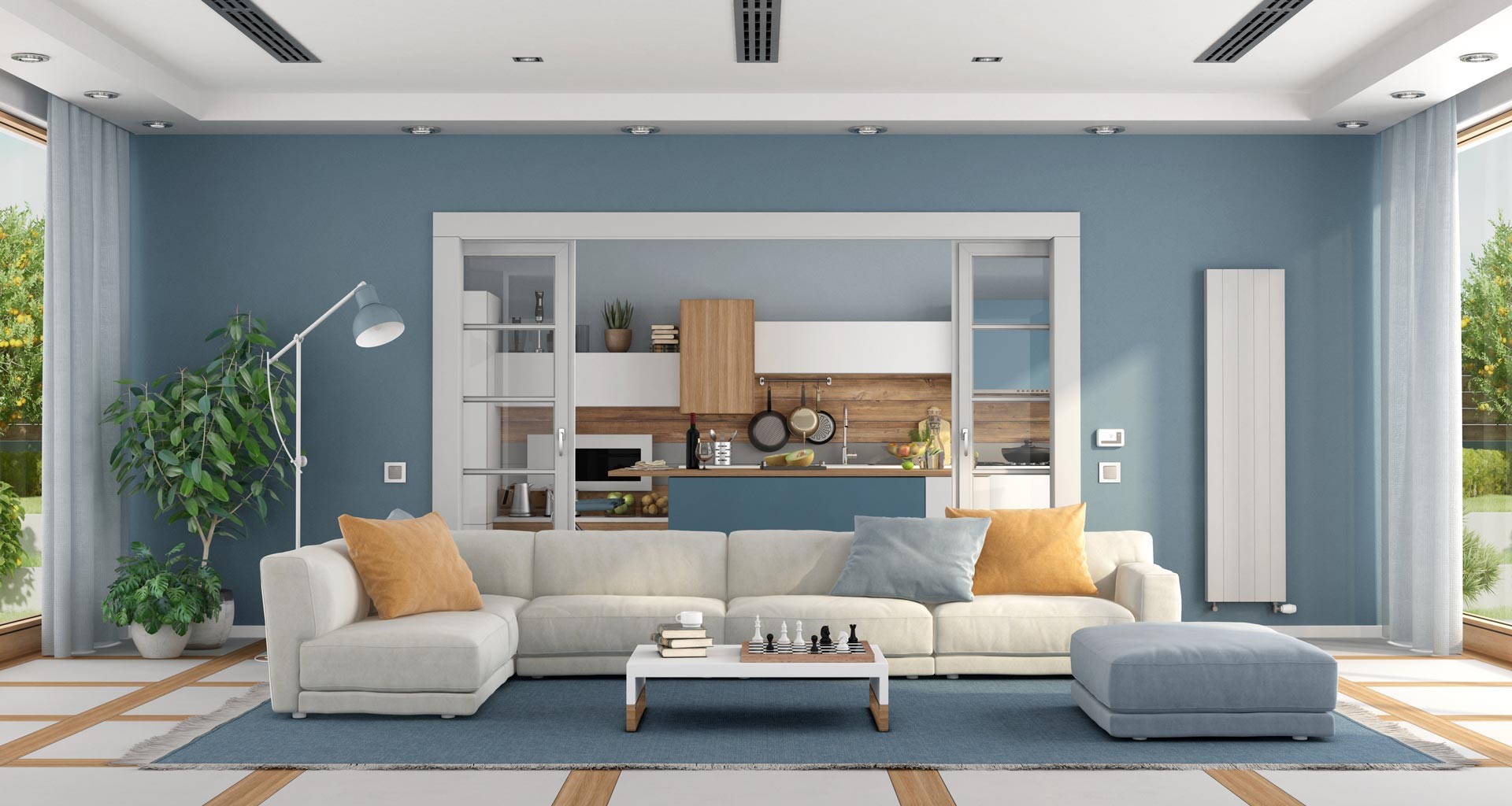
A tightly sealed home still needs fresh air. A planned ventilation strategy solves this issue. It should work with the building envelope and the HVAC system.
Bathrooms need reliable mechanical exhaust systems. Kitchens need proper ventilation as well. Fresh air should enter through a controlled strategy instead of random leakage. This approach can support indoor air quality while helping manage moisture.
Water efficiency is another important part of sustainability. Efficient fixtures can reduce unnecessary water use. Efficient water heating can also lower energy demand.
Useful strategies include:
- Whole-home ventilation when appropriate for the design
- Effective bathroom exhaust fans
- Proper kitchen exhaust systems
- Water-efficient plumbing fixtures
- Efficient water heating equipment
- Shorter and better planned hot water runs
- Moisture control in kitchens and bathrooms
Indoor comfort depends on more than room temperature. Air quality and humidity also matter. A sustainable home should manage these factors as part of one coordinated design.
Add Solar-Ready Design and Smart Controls
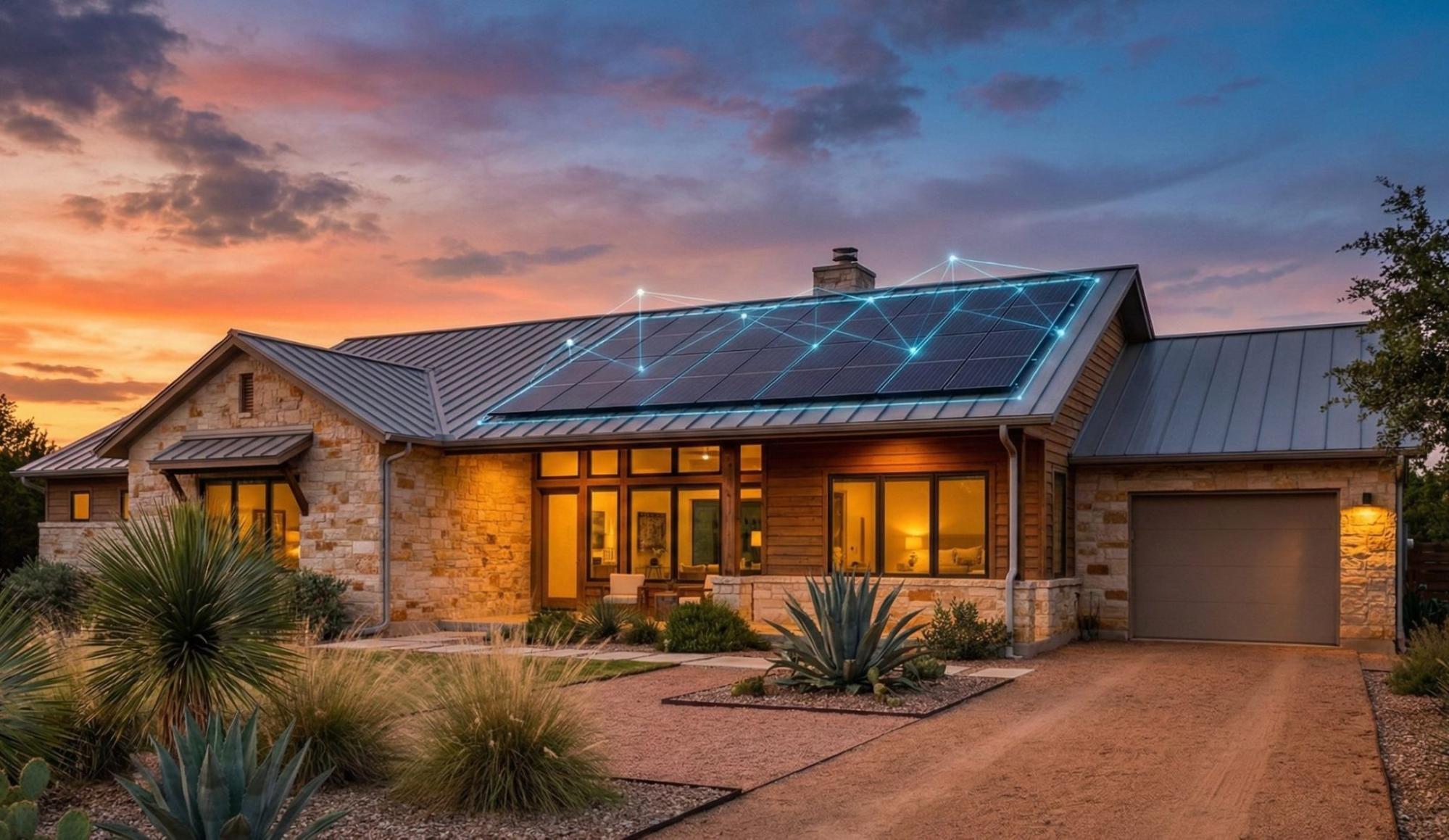
A custom build provides an opportunity to prepare for future energy technology. Planning can begin before construction starts. Electrical capacity can be reviewed while the home is still on paper. Roof design can also be evaluated at that stage.
Solar-ready planning can make a future installation easier. The design team can consider suitable roof areas. Structural requirements can also be reviewed early. Electrical pathways can be planned before the walls are closed.
EV charging is another useful consideration. A dedicated charging location can be selected during the design phase. Electrical needs can then be planned around that location.
Smart controls can help homeowners manage energy use. A smart thermostat can adjust settings around daily routines. Smart lighting can reduce waste in unused spaces. Energy monitoring can help homeowners understand how the home performs.
Useful options include:
- Solar-ready roof planning
- EV charging preparation
- Efficient water heating
- ENERGY STAR appliances
- LED lighting
- Smart thermostats
- Home energy monitoring
- Efficient exterior lighting
Technology should make the home easier to operate. The best sustainable features work quietly in the background. These choices also support future flexibility.
Plan for Long-Term Comfort and Value in Union County
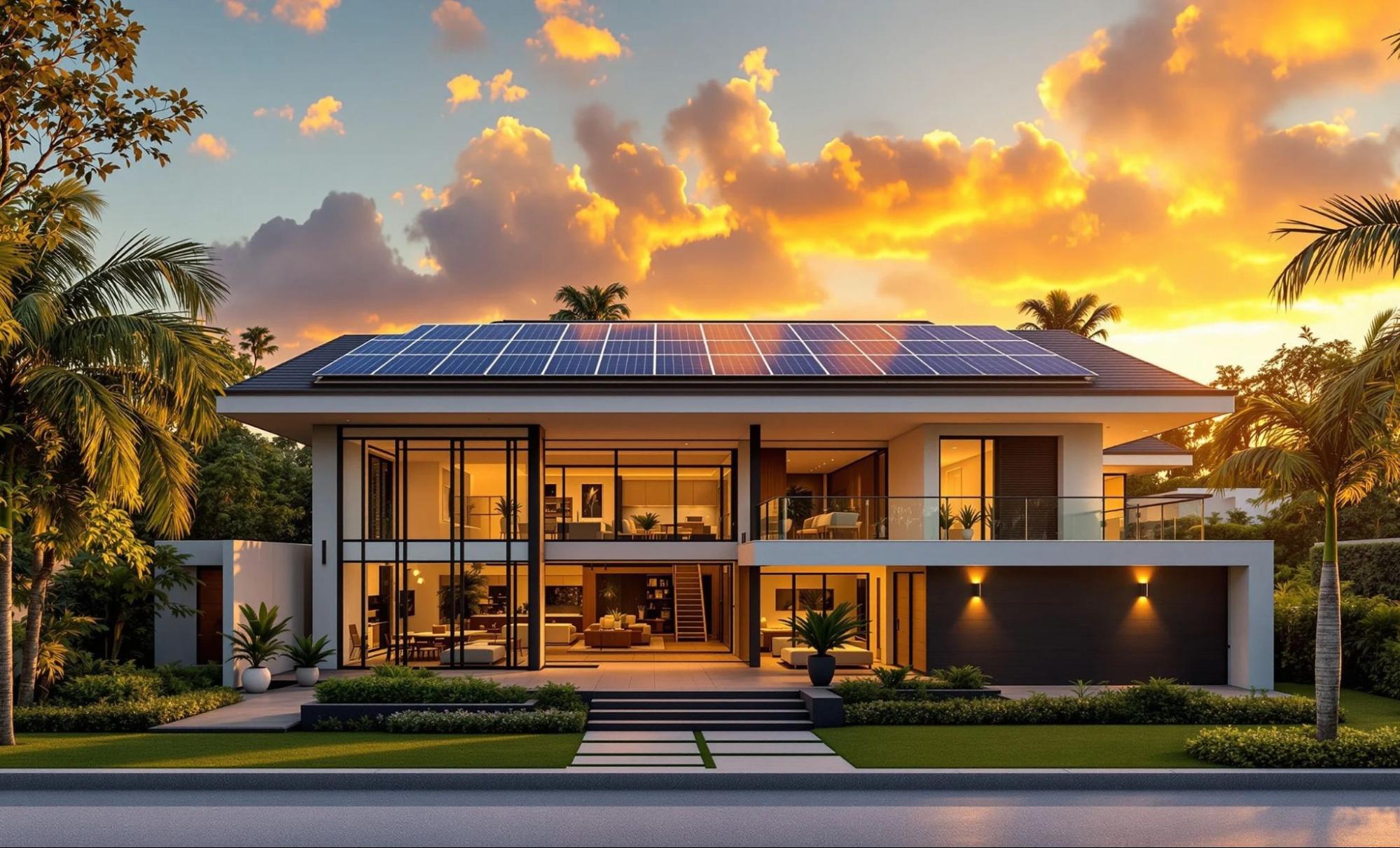
Every property in Union County has its own characteristics. Some lots receive strong afternoon sun. Others have mature trees that affect daylight. Some properties have narrow building areas. Other properties can offer more flexibility.
These conditions should influence the home design. A custom plan should respond to the site rather than force the same formula onto every property.
The character of the neighborhood also matters. Communities such as Westfield and Cranford include many established homes. Summit and Scotch Plains also have strong residential identities. Fanwood and New Providence offer their own mix of housing styles.
Sustainability can fit naturally into these settings. A new home can use modern building methods while still respecting the surrounding neighborhood.
Long-term performance should also guide material choices. Durable exterior materials can reduce maintenance needs. Proper drainage can protect the structure. Good flashing can reduce the risk of water problems. Accessible mechanical systems can simplify future service.
The design process can include:
- Review the lot and sun exposure
- Set comfort goals during early design
- Plan insulation and air sealing
- Coordinate window placement
- Design HVAC around the completed home
- Review ventilation and water efficiency
- Prepare for future solar and EV charging
These steps support more than lower energy use. They can create a home that feels balanced throughout the year. They can also improve durability and reduce future maintenance concerns.
Final Thoughts
Energy efficiency does not require homeowners to sacrifice comfort or design quality. Strong insulation can help maintain steady temperatures. Better windows can improve daylight while controlling heat transfer. Efficient HVAC systems can deliver reliable comfort. Planned ventilation can support cleaner indoor air.
For Union County homeowners the best time to make these decisions is before construction begins. Each part of the house should support the others. That is how sustainability becomes part of the home's design rather than an afterthought.
Prawdzik Properties can bring energy-conscious planning into the custom home process. The goal is to create a home that feels comfortable and looks beautiful. It should also provide strong performance for many years.
Frequently Asked Questions
Q1 What makes a custom home energy efficient?
An energy-efficient custom home combines strong insulation with careful air sealing. It also uses well-performing windows and properly sized HVAC equipment. Planned ventilation and efficient appliances can improve performance even further.
Q2. Can a custom home have large windows and still be energy efficient?
A large window can still perform efficiently with the right design in this climate. Glass selection and window placement also matter. Shading can help control unwanted solar heat during warmer months.
Q3. Are energy-efficient features easier to add during construction?
Many energy features are much easier to integrate before finishes are installed. This includes insulation and air sealing. It also includes ductwork and electrical pathways for future technology.
Q4. What should Union County homeowners ask a custom builder?
Homeowners should ask about the building envelope and HVAC design. They should also ask about window performance and ventilation. Solar preparation and EV charging can be discussed during early planning.
Q5. Does energy efficiency make a home less comfortable?
Not when the design is planned correctly. Good energy design often improves comfort. Better insulation can reduce temperature changes between rooms. Careful air sealing can reduce drafts. Proper HVAC sizing can improve overall temperature control.