How to Budget for a New Construction Home - A Complete Guide
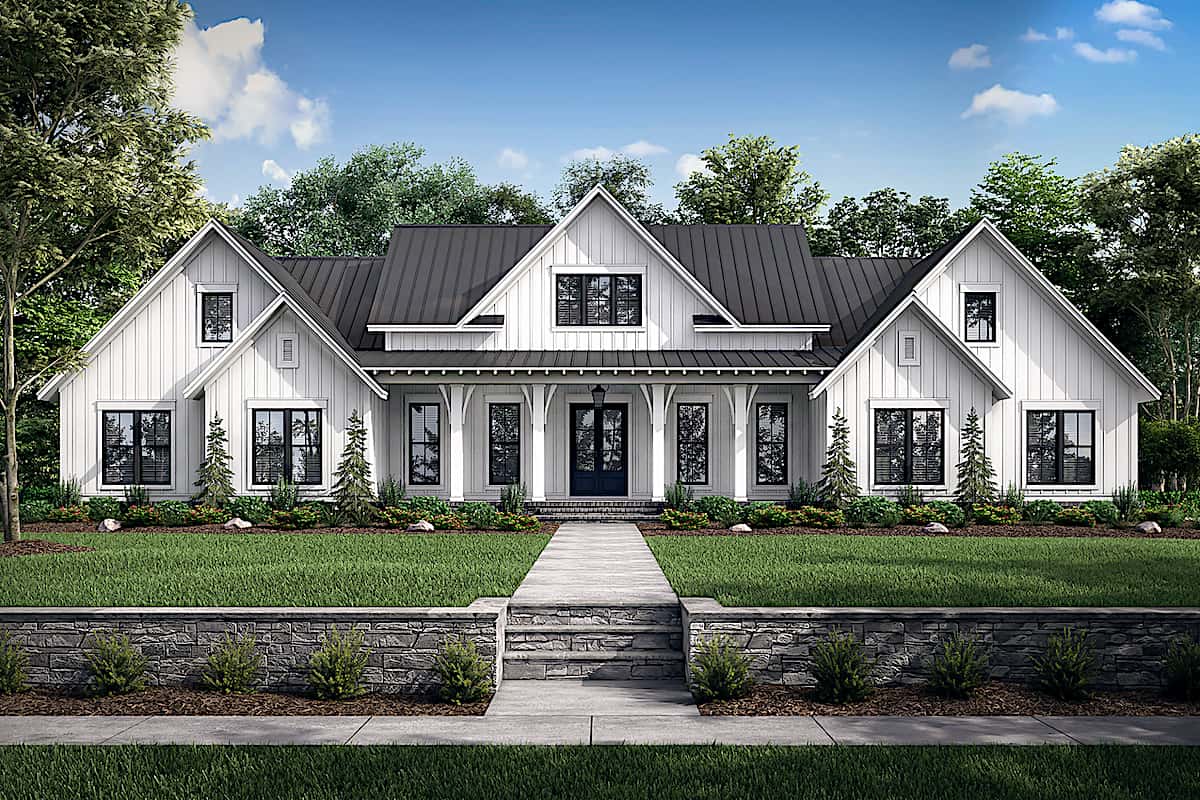
Building a new construction home is one of the most rewarding decisions a homeowner can make. You get a space created around your lifestyle, your needs and your long term vision. While exciting, the process also requires careful financial planning. A smart, well organized budget is the foundation that keeps a new construction project on track and prevents surprises as construction moves forward.
If you are planning to build a home in the coming months, or you are simply starting your research, this guide will walk you through everything you need to know about budgeting for a new construction home. You will learn how costs are structured, what expenses many people forget to prepare for, how to stay on track financially and how to approach the entire project with confidence.
Let us get started.
1. Understand the Major Costs Involved in a New Construction Home
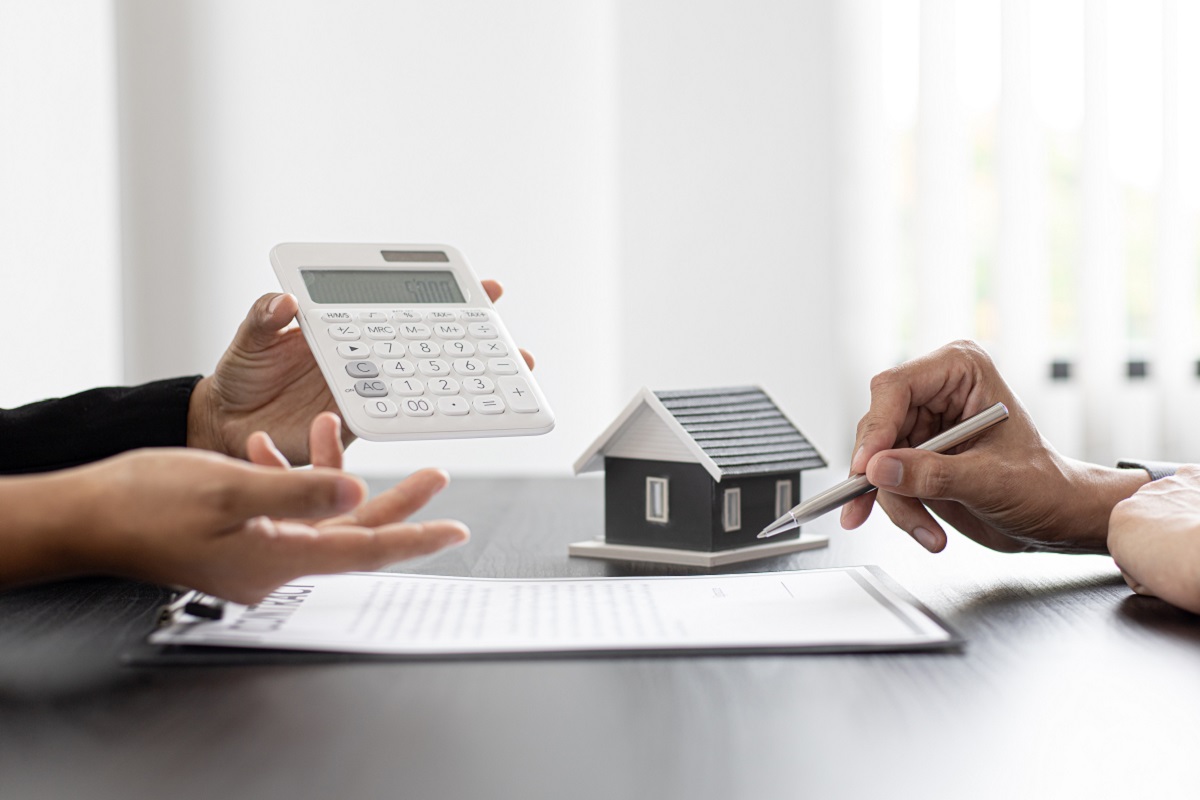
Before you build any budget, you need a clear view of what you are actually paying for. New construction home costs fall into several main categories:
Land
If you do not already own a lot, this will be your first major purchase. Land prices depend on location, property size, zoning, access to utilities and community desirability.
Site Preparation
Raw land often needs work before construction begins. This can include tree removal, grading, soil testing, installing utilities and foundation preparation.
Construction Costs
This commonly makes up the largest portion of your budget. It includes:
- Framing
- Roofing
- Plumbing
- Electrical
- HVAC
- Insulation
- Windows and doors
- Drywall and interior finishing
- Flooring
- Cabinets and countertops
Costs vary based on square footage, layout, materials and the builder you choose.
Design and Engineering Fees
Architectural plans, structural engineering and custom design elements all come with fees. Even if you use a builder’s standard plan, upgrades can increase this category.
Permits and Inspections
Every town requires permits for new construction. Fees vary widely depending on your state and municipality.
Interior Finishes
This includes paint, lighting, hardware, appliances, trims and all the stylistic choices that personalize your home.
Landscaping and Exterior Work
Driveways, walkways, lawns, fencing, patios and exterior lighting are often overlooked but necessary budget items.
Builder Fees and Contingencies
Builders typically charge a management fee that covers project oversight. A contingency fund should also be included to cover unexpected expenses.
Knowing these categories helps you map out a realistic financial plan and prepares you for the decisions you will face during the design and construction stages.
2. Determine What You Can Afford Before You Start Designing
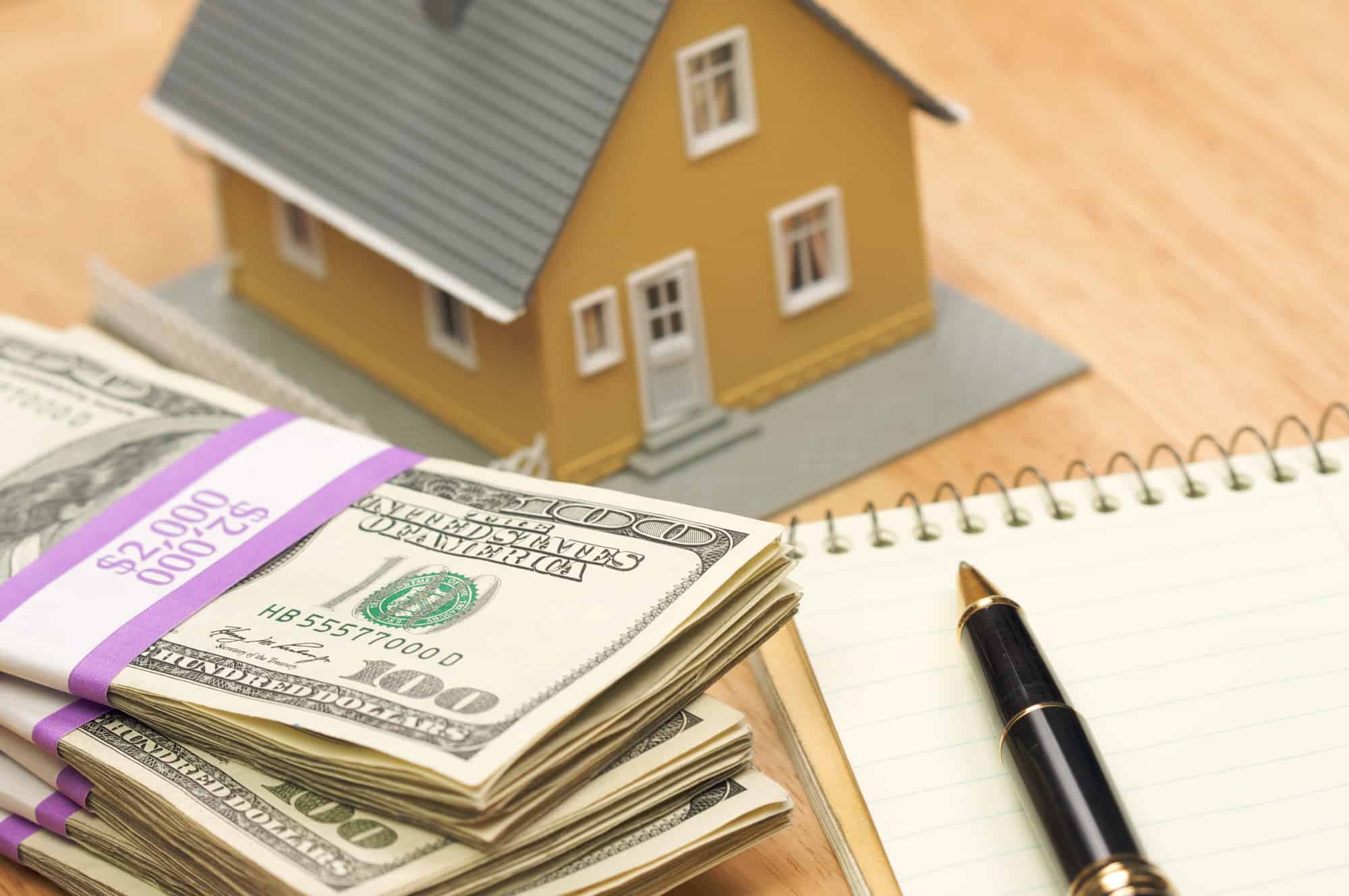
A common mistake homeowners make is designing the home first and calculating affordability later. The smartest approach is the opposite.
Start with a clear financial baseline:
- How much can you comfortably invest upfront
- How much you can borrow
- Your long term financial goals
- Your monthly payment comfort level
Speak with a lender early. They can help you understand what loan amounts you qualify for and whether a construction loan or construction to permanent loan suits your situation best.
Avoid stretching your budget
A beautiful home is not worth years of financial stress. Establish a realistic price range and stick to it from day one.
3. Get a Detailed Cost Estimate from Your Builder
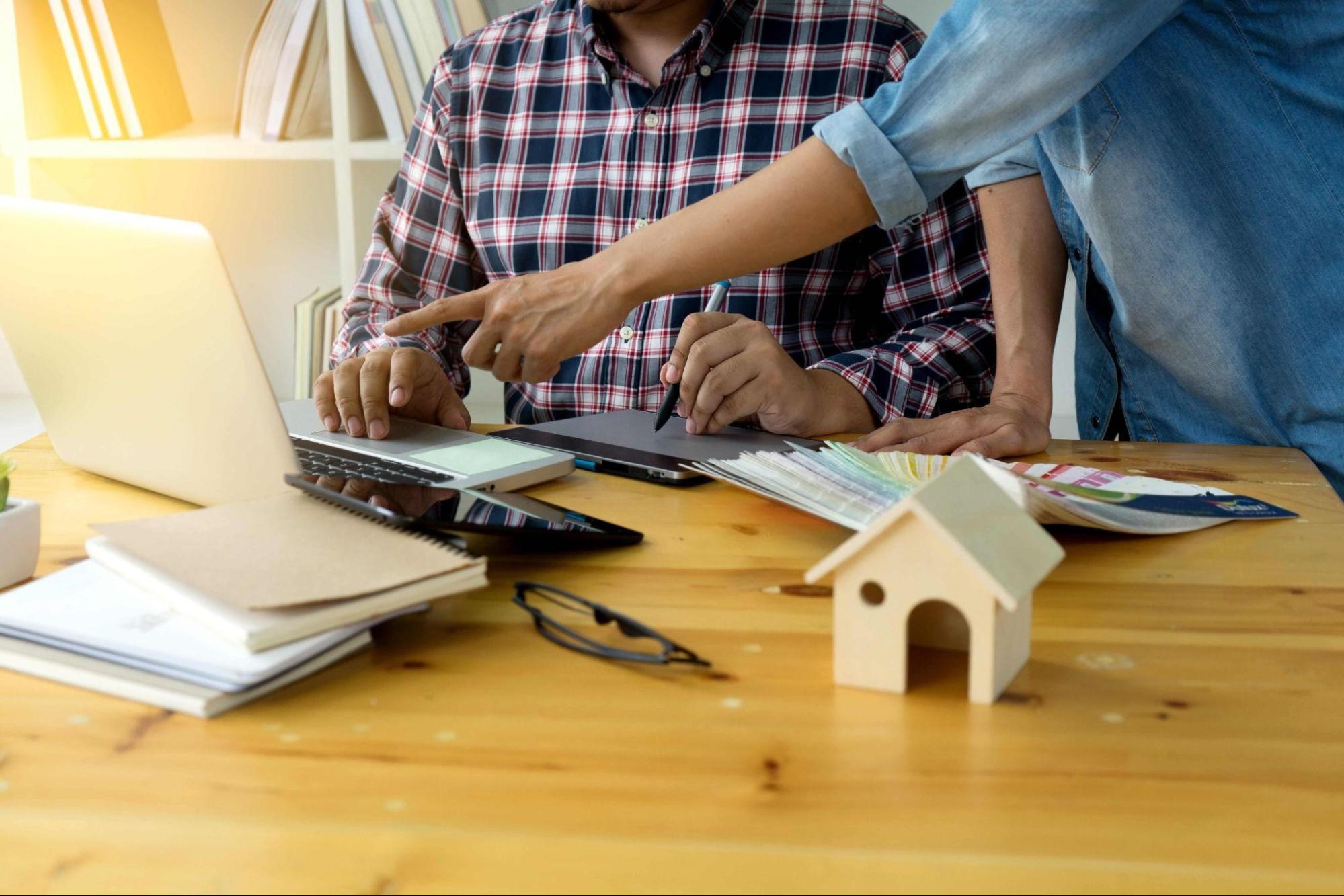
Once you have your financial baseline, the next step is getting a full breakdown from your builder. This is critical because new construction pricing can vary significantly.
A clear estimate should include:
- Base construction cost
- Site work estimate
- Material allowances
- Labor costs
- Permit fees
- Upgrade options
- Timeline and payment schedule
Ask your builder to walk you through every line item. Understanding where your money goes will make budgeting easier and more accurate.
4. Understand Allowances and Upgrades
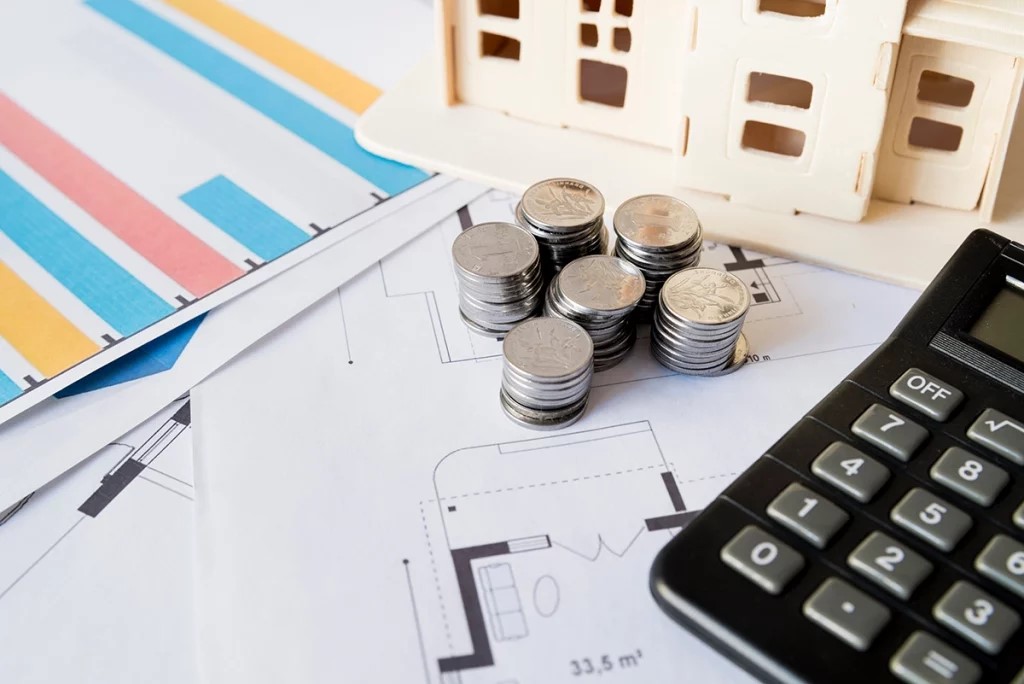
Builders often include allowances for items like cabinets, appliances, lighting and flooring. These allowances may not cover the actual cost of the materials you want.
For example:
- Builder allowance for kitchen appliances may be 5,000
- Your desired appliances may cost 8,500
That difference becomes an out of pocket expense.
Follow these steps to stay in control:
- Review all allowances carefully
- Compare them with real product prices
- Adjust your budget or selections early
Making these decisions upfront prevents budget creep during construction.
5. Prepare for Hidden or Overlooked Costs
Even the best planners can be caught off guard by unexpected expenses. Here are common items people forget to include in their new construction budget:
- Utility connections
- Temporary utilities during construction
- Driveway paving
- Mailbox and house numbers
- Landscaping and sod
- Window treatments
- Alarm system or smart home features
- Sewer and water tap fees
- HOA fees or architectural review costs
These items add up quickly, so include them in your budget from the start.
6. Build a Strong Contingency Fund
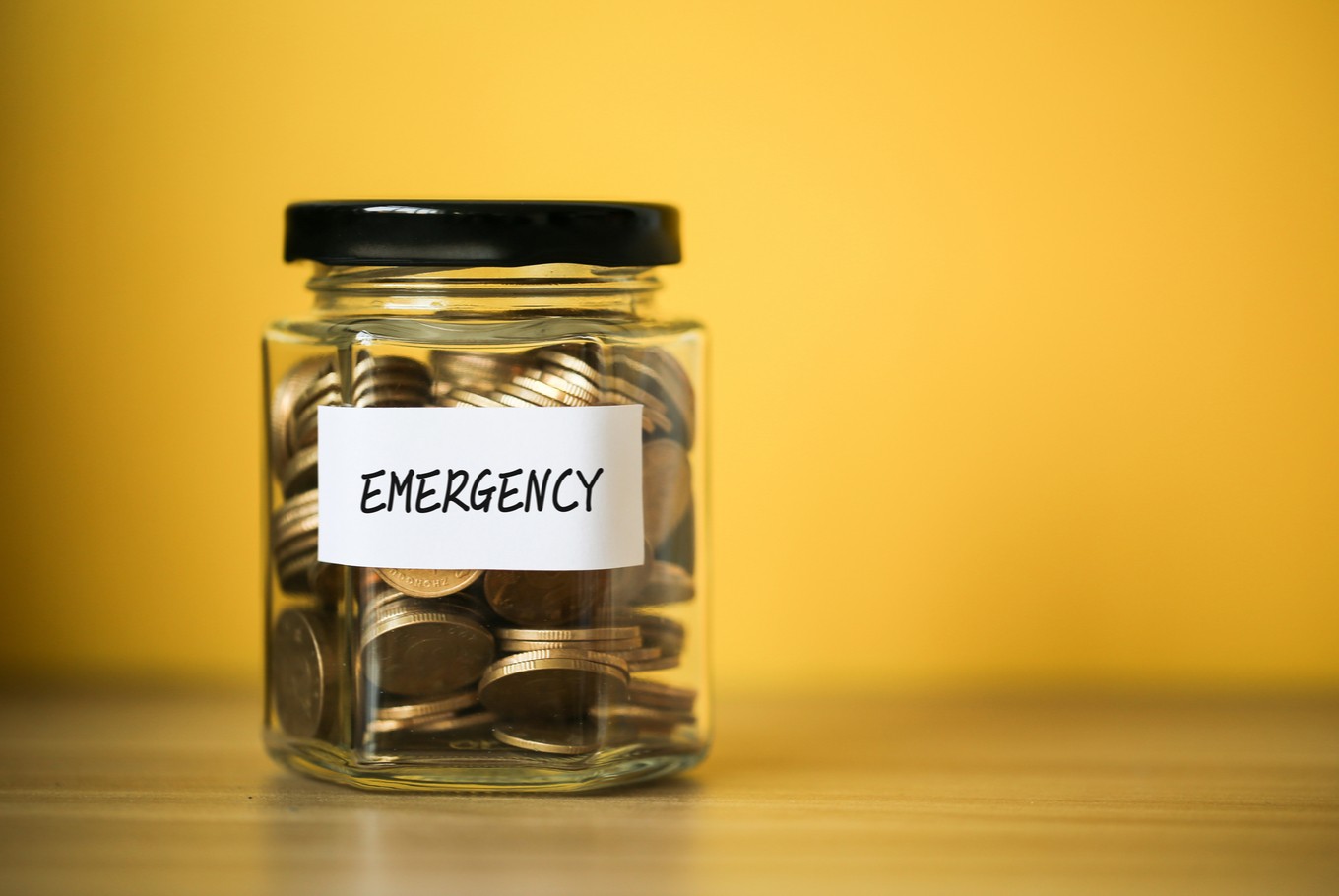
No construction project is perfectly predictable. Weather delays, material shortages, and design changes can impact the budget.
A good rule is to set aside 10 to 15 percent of your total construction cost as a contingency buffer. Many homeowners only prepare 5 percent and find themselves scrambling later. Planning for the unexpected keeps the project stress free and financially safe.
7. Track Spending Throughout the Entire Project
Creating a budget is only half the task. Staying disciplined during the build is what keeps the project on track.
Use these strategies:
- Review costs with your builder monthly
- Document every change order
- Track upgrades and price differences
- Avoid last minute selections
- Stick to your priority list
When you monitor expenses closely, you prevent surprises at closing or project completion.
8. Know When to Save and When to Spend

Not every part of your home deserves the same level of investment. Knowing where to splurge and where to save can dramatically impact your budget.
Smart places to invest:
- Kitchen
- Primary bathroom
- Windows
- Insulation
- Structural elements that cannot be changed easily later
Good places to save:
- Lighting fixtures
- Cabinet hardware
- Basic landscaping
- Appliances that can be upgraded later
This balanced spending strategy keeps your costs manageable while still delivering a beautiful final product.
9. Work with the Right Builder

A builder is more than a contractor. They are a partner managing one of the biggest financial projects of your life. Choosing the right builder helps protect your budget.
Look for:
- Transparent pricing
- Detailed estimates
- Clear communication
- Proven experience
- Strong portfolio and references
- Ability to help you value engineer when needed
A trustworthy builder keeps your project on time and on budget while helping you create the home you envision.
Final Thoughts
Budgeting for a new construction home does not need to feel overwhelming. With clear planning, realistic expectations and smart decision making, you can create a financial roadmap that supports a smooth and successful build. Understanding costs, preparing for hidden expenses and working with an experienced builder ensures you stay confident from the first design conversation to the final walk through.
If you are ready to build your dream home and want a builder who prioritizes transparency, communication and high quality craftsmanship, Prawdzik Properties is here to guide you. Our team helps homeowners create luxury spaces that reflect their lifestyle while staying aligned with their budget. We bring clarity to every step of the process so your vision becomes a reality.