How to Balance Style, Budget and Function in a Custom Home in Morris County NJ
Morris County Homeowners Are Taking a More Strategic Approach to Custom Home Design
The custom home market in Morris County continues to attract homeowners who want more than a house that simply looks impressive. Buyers are placing greater value on thoughtful design, practical layouts and long-term livability. At the same time, construction costs make it important to establish clear priorities before design decisions begin.
A successful custom home brings these elements together. Style creates the visual character. Budget establishes financial boundaries. Function determines how well the home works every day. When these three factors are considered together, homeowners can create a property that feels personal without making unnecessary compromises.
For Morris County homeowners planning a custom build, the goal is not to choose between appearance and practicality. It is to develop a design strategy that makes every major investment serve a purpose.
Why Style Budget and Function Must Work Together

Building a custom home gives homeowners more control over how their property looks and works. That freedom can be exciting. It can also make planning more challenging. Every feature must fit within the overall vision and available budget.
A successful custom home starts with balance. Style should reflect personal taste. Budget should guide smart spending. Function should support everyday life.
Style
Style gives the home its personality and visual appeal. Important choices include:
- Architectural design
- Exterior materials
- Interior finishes
- Cabinet styles
- Flooring
- Lighting
- Colors
- Trim details
- Fixtures
Budget
A realistic budget helps homeowners make confident decisions. It should cover more than basic construction costs.
Consider:
- Site preparation
- Construction
- Design services
- Permits
- Materials
- Landscaping
- Appliances
- Lighting
- Contingency funds
Function
Function determines how comfortably the home supports daily routines. A beautiful space should also be practical.
Key considerations include:
- Room placement
- Storage
- Traffic flow
- Natural light
- Privacy
- Kitchen efficiency
- Bedroom locations
- Home office needs
- Outdoor access
- Future lifestyle needs
When style, budget and function are planned together homeowners can create a home that looks appealing and works well for years.
Start With How You Want to Live
A successful custom home begins with understanding how the space will support everyday life. Before choosing countertops or paint colors homeowners should first think about their routines.
Consider questions such as:
- How many people will live there?
- Do you often host guests?
- Will anyone work from home?
- Is a dedicated office important?
- How much storage will you need?
- Do you prefer open spaces?
- Will your needs change as children grow?
- Do you use outdoor spaces often?
- Could a first-floor bedroom become useful later?
These answers can shape the floor plan before money is spent on decorative details.
For example, a family that regularly hosts guests may gain more value from an efficient kitchen and dining area than from an expensive feature with limited use.
This approach also matters in Morris County. Different properties have different lot sizes and site conditions. A smart design should work with the property rather than against it.
Choose Where to Spend More

Not every part of a custom home needs the same level of investment. The best approach is to spend more on features that are difficult or expensive to change later. Structural decisions and major systems should receive careful consideration because changing them after construction can be costly.
Homeowners may want to prioritize:
- Floor plan design
- Structural quality
- Windows and exterior doors
- Insulation
- Plumbing infrastructure
- Electrical planning
- Heating and cooling systems
- Kitchen layout
- Bathroom functionality
- Storage capacity
Finishes can often be adjusted more easily over time.
For example, a homeowner may decide to install a simpler light fixture today while investing in better electrical planning that allows upgraded lighting later. Similarly, a practical kitchen layout may be more important than choosing the most expensive countertop available. This creates a home that is financially disciplined without feeling basic.
Design for Function Before Choosing Finishes
One of the most common mistakes in custom home planning is selecting finishes before resolving the floor plan.
The layout should come first. A functional floor plan considers how people move from one space to another. It also considers where furniture will go and how rooms connect.
Think About Daily Movement
A well-planned home should make everyday activities feel natural.
For example:
Garage → Mudroom → Kitchen
This sequence can make grocery unloading and daily arrivals easier.
Another useful relationship may be:
Kitchen → Dining Area → Outdoor Living
This can create an efficient entertaining zone.
Bedrooms may benefit from being separated from high-traffic areas. A home office may need a quieter location away from the main living space.
Small planning decisions can have a major impact on everyday comfort.
Balance Architectural Style With Long-Term Appeal
Personal style is an important part of building a custom home. However, homeowners should distinguish between timeless design choices and trends that may quickly feel dated.
This does not mean a home needs to look generic. A balanced design can include personality through carefully selected details while maintaining a strong architectural foundation.
Consider investing in lasting design elements such as:
- Proportionate windows
- Well-designed rooflines
- Quality exterior materials
- Balanced elevations
- Consistent interior finishes
- Functional built-ins
- Natural materials
- Classic cabinetry profiles
More temporary design trends can be incorporated through elements that are easier to replace.
Paint colors, decorative lighting, hardware and accessories can usually be updated without changing the structure of the home. This approach gives Morris County homeowners room to express their personal style while creating a property that can continue to feel relevant over time.
Use Space Efficiently Instead of Simply Building Bigger
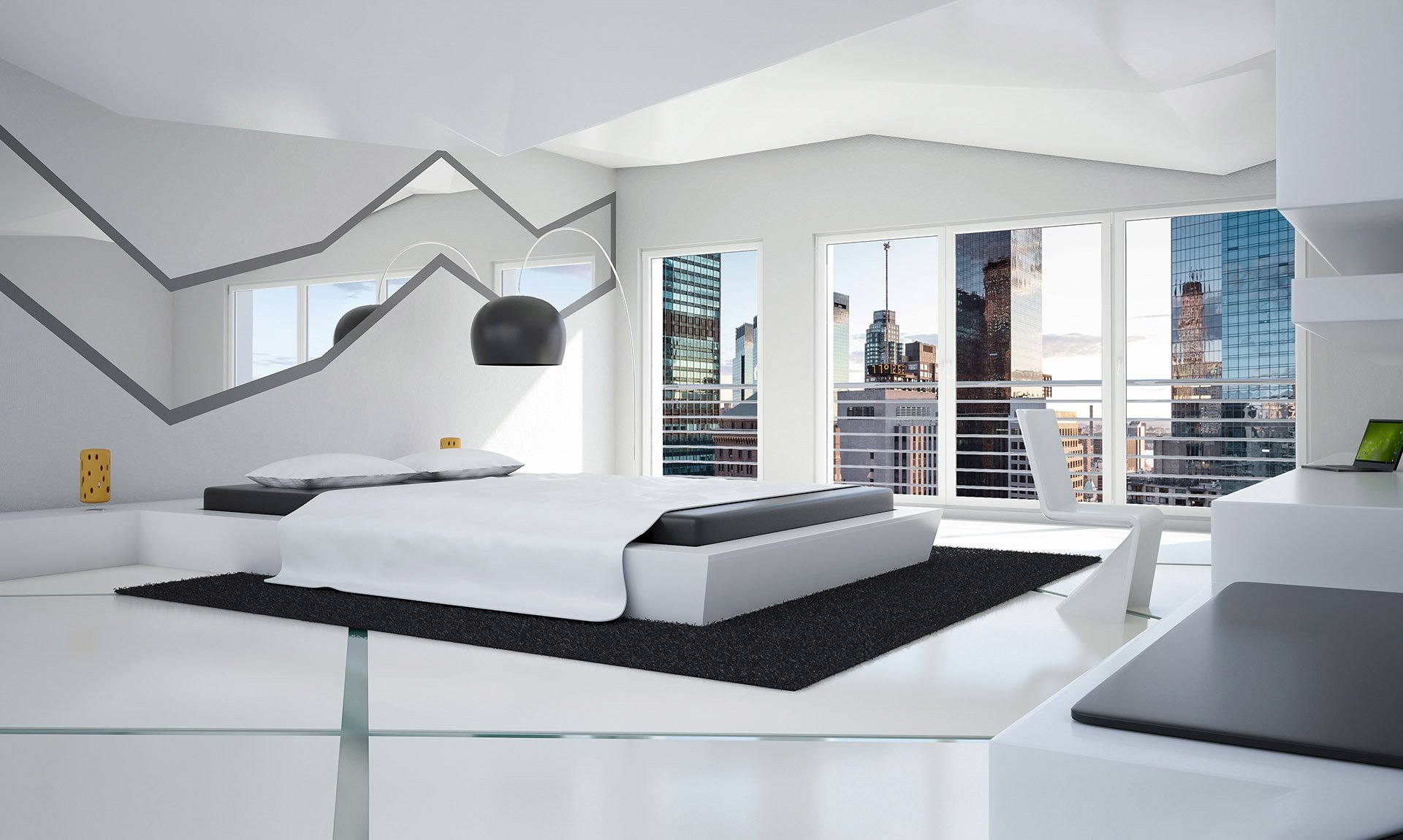
A larger home does not always provide greater value. Extra square footage can increase construction costs and ongoing expenses without improving everyday comfort. Smart custom home design focuses on making every space useful.
Consider Flexible Spaces
Rooms that serve multiple purposes can help a home adapt over time.
- A home office can become a guest room.
- A playroom can become a study.
- A loft can become a media room.
- A finished basement can provide recreation space and storage.
- A mudroom can support organization for an active household.
Flexible spaces allow homeowners to respond to changing needs without major renovations.
Prioritize Storage
Good storage can also reduce the need for unnecessary square footage. Consider:
- Walk-in closets
- Pantry storage
- Mudroom cabinets
- Built-in shelving
- Under-stair storage
- Linen closets
- Garage storage
- Basement storage
Thoughtful storage keeps clutter under control and helps living areas remain comfortable. Efficient planning can create a home that feels larger without simply making it bigger.
Make Material Selections With the Whole Home in Mind
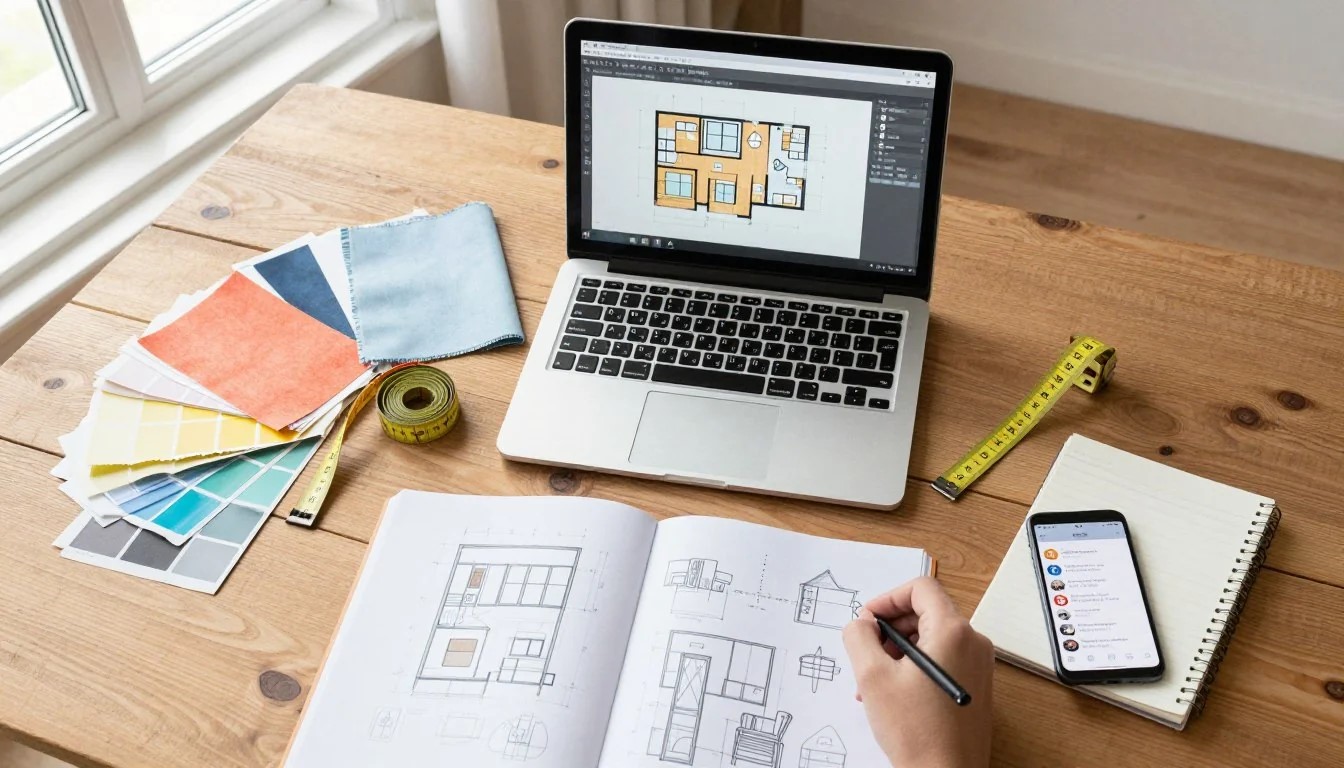
Material selection is where style and budget often collide. A custom home may include hundreds of individual selections. If each item is chosen independently, costs can quickly move beyond the original plan.
A better strategy is to establish a cohesive material palette. Start by deciding on the overall direction of the home. Then select materials that work together across multiple rooms.
For example, flooring can establish a visual foundation. Cabinet finishes can complement the flooring. Countertops can introduce contrast without overwhelming the space. Hardware and lighting can then provide smaller design accents. This creates visual consistency without requiring the most expensive product in every category.
Compare Value Instead of Just Price
The cheapest material is not always the best budget decision.
Homeowners should consider:
- Durability
- Maintenance
- Expected lifespan
- Appearance
- Replacement cost
- Installation requirements
A slightly more expensive material may provide better long-term value if it lasts significantly longer or requires less maintenance.
Account for Morris County Site Conditions
Building a custom home in Morris County requires more than designing the structure itself. The property can influence the project's scope and cost.
Lot characteristics may affect:
- Grading
- Drainage
- Foundation requirements
- Driveway design
- Landscaping
- Utility connections
- Outdoor living areas
- Site access
These factors should be evaluated early. A design that looks affordable on paper can become more expensive when site conditions are addressed later in the process. Early planning helps homeowners understand how the property itself may affect the overall investment.
This is one reason collaboration between the homeowner, architect, builder and other project professionals can be valuable from the beginning.
Create a Decision-Making Process Before Construction Begins
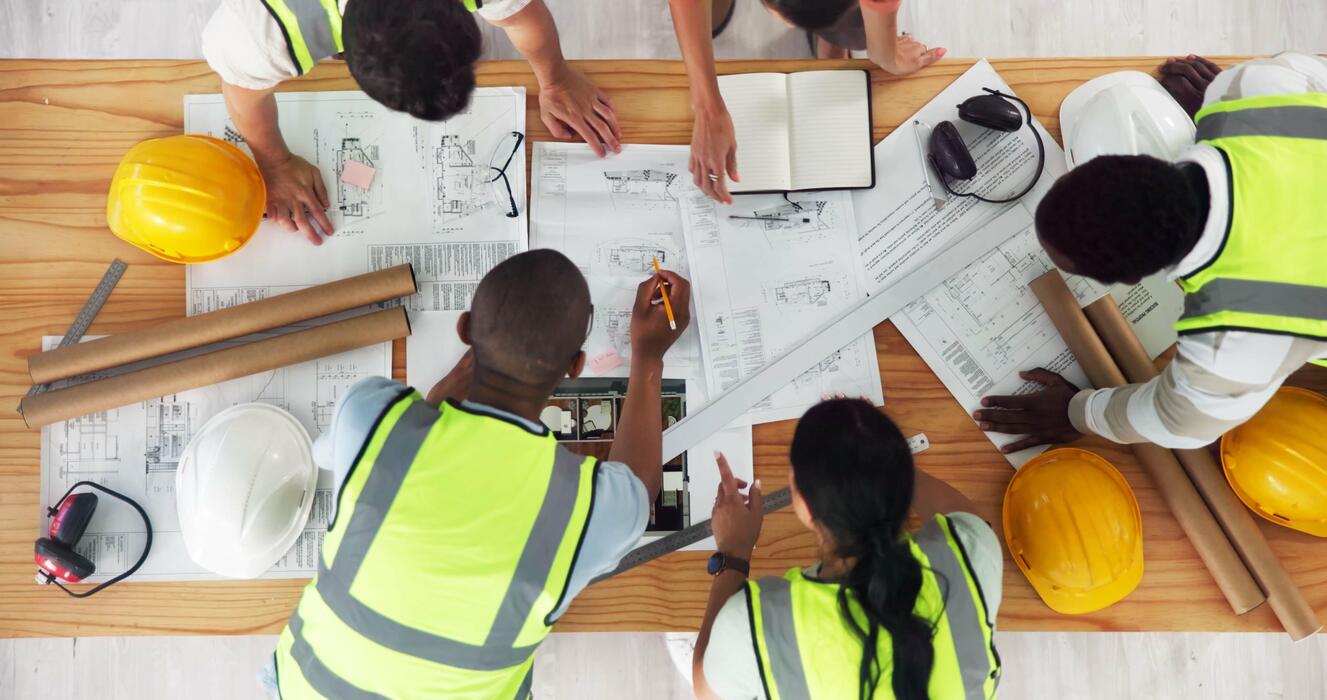
Custom home projects involve many decisions. Without a structured process, homeowners can experience decision fatigue and make changes that affect both schedule and budget.
A clear process can help.
1. Establish the Overall Vision
Define the home's purpose, preferred architectural style and lifestyle requirements.
2. Set the Investment Range
Create a realistic budget and include an appropriate contingency.
3. Identify Priorities
Separate essential features from upgrades and optional design elements.
4. Develop the Floor Plan
Focus on room relationships, movement, storage and daily functionality.
5. Refine the Exterior
Choose architectural details and materials that complement the property.
6. Select Interior Materials
Create a coordinated palette instead of making every selection independently.
7. Review Costs Regularly
Budget discussions should continue throughout the design process rather than happening only at the beginning. This process can reduce surprises and make it easier to determine which changes are worth making.
Avoid Common Custom Home Budget Mistakes
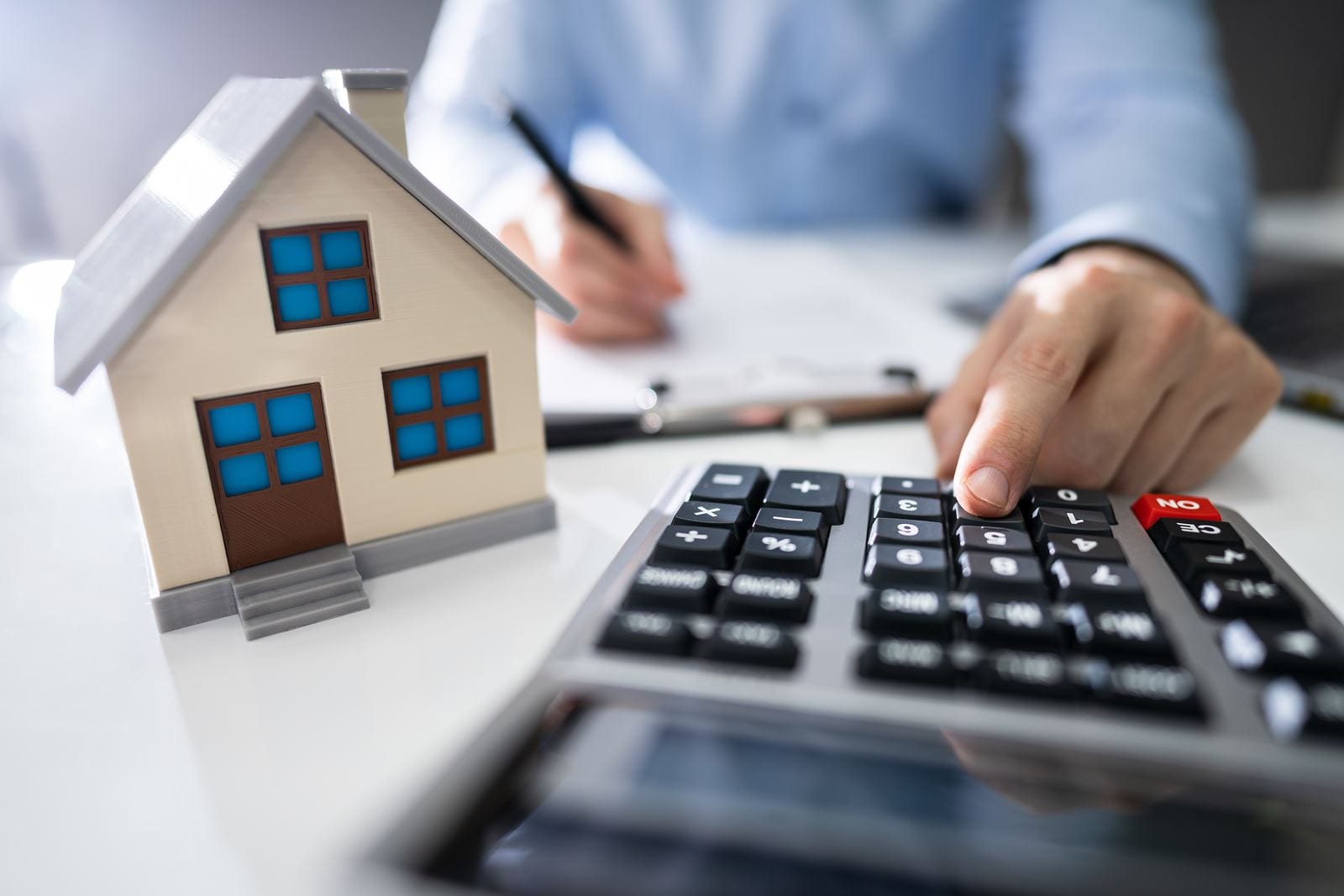
A strong design strategy also requires knowing what can create unnecessary costs.
Changing the Floor Plan Late
Moving walls or changing room locations after construction begins can create additional labor and material expenses.
Choosing Finishes Without a Budget
Premium selections can add up quickly when they are made without considering the complete project.
Ignoring Future Needs
Designing only for current needs may require expensive modifications later.
Building Unused Space
Additional square footage should have a clear purpose.
Skipping a Contingency
Unexpected site conditions and construction changes can happen. A contingency provides financial flexibility.
Focusing Only on Initial Cost
A lower upfront price may not provide the best long-term value if materials or systems require frequent maintenance or replacement.
Work With a Team That Understands the Bigger Picture

A custom home is a coordinated project. The homeowner's vision needs to connect with architectural planning, construction knowledge, budgeting and site considerations. The right team can help identify conflicts before they become expensive changes.
A builder can also help homeowners understand how design decisions translate into construction costs. This can be particularly useful when comparing different materials, layouts or structural options.
For Morris County homeowners, local experience can also help when evaluating the characteristics of individual properties and planning a project around the existing site.
The goal is not to eliminate every compromise. Every custom home has a budget and every project has practical limitations. The goal is to make those compromises intentionally.
Final Thoughts: Creating a Custom Home That Feels Right
The best custom home is not necessarily the largest or the most expensive. It is a home where design choices support the way the owners want to live.
Balancing style, budget and function in a custom home starts with understanding priorities. A thoughtful floor plan can improve everyday living. Strategic material selections can control costs. Quality construction decisions can support long-term value. Flexible spaces can help the home adapt as needs change.
For homeowners planning a custom home in Morris County NJ, early collaboration and careful planning can make the entire process more manageable.
Prawdzik Properties takes a thoughtful approach to custom home projects by bringing design considerations, construction planning and homeowner priorities together. The objective is to create homes that are visually distinctive while remaining practical, comfortable and aligned with the owner's investment goals.
When style, budget and function are planned as one strategy, homeowners can create a custom home that feels personal today and continues to work well for years to come.