How New Jersey Home Design Trends Are Shaping New Construction Buyer Demand in Monmouth County
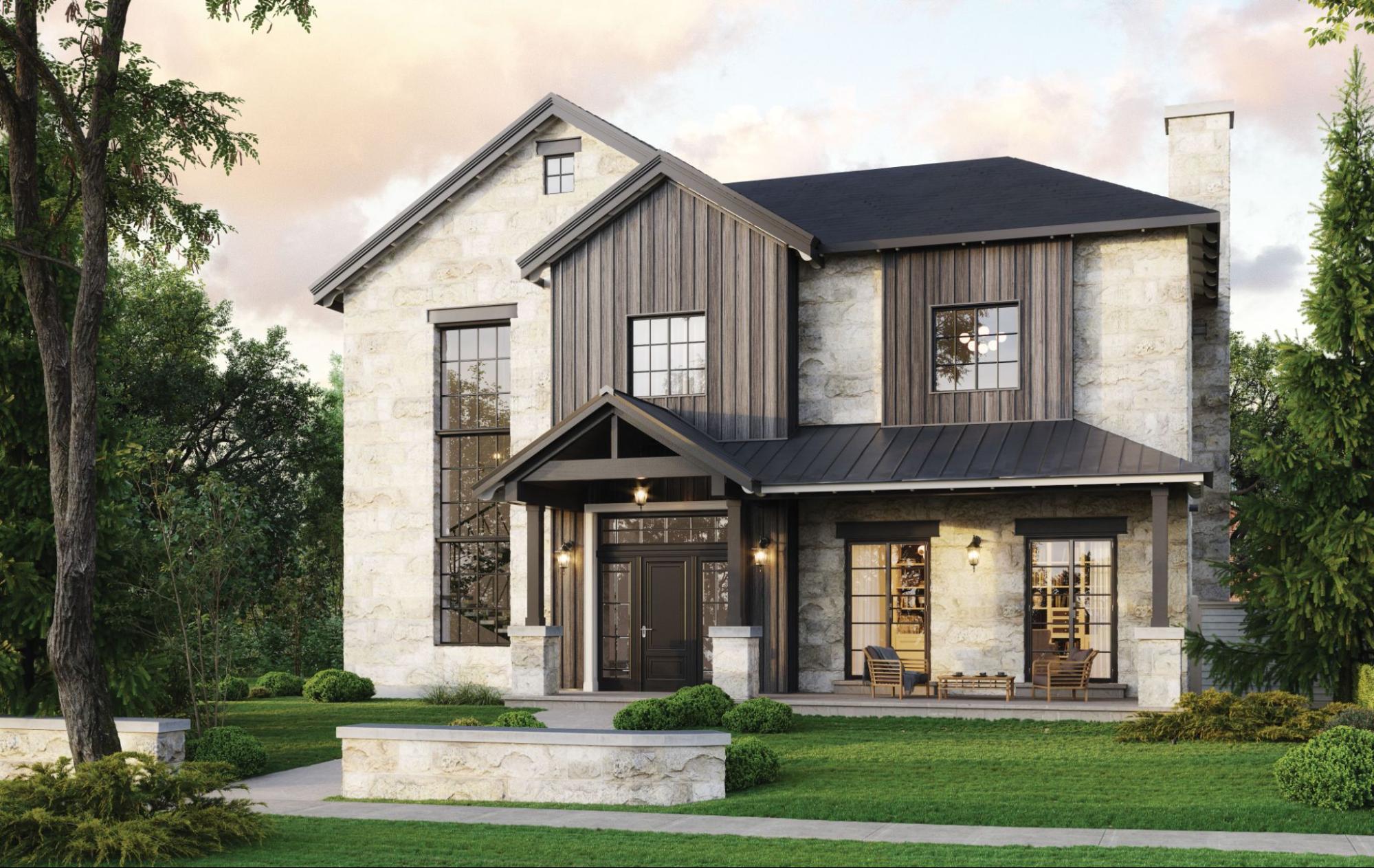
New construction buyers in New Jersey are looking for more than a new address. They want homes that feel comfortable from day one and support changing routines while offering lasting value. In Monmouth County, buyers may compare coastal communities with inland neighborhoods, so design choices can shape which properties attract attention and which details help a new home stand out.
For builders and sellers, design is a marketing decision as well as a construction decision. A flexible room can help buyers picture working from home. A bright kitchen can make daily life feel easier, while an inviting patio can show how the home connects with the outdoors. These details influence how buyers respond to floor plans, listing photos and online descriptions.
National trends point in a similar direction. The National Association of Home Builders highlighted flexible spaces, nature-inspired materials, warm neutral interiors and richer exterior colors among emerging design directions. Its 2026 builder survey also noted continued attention to multipurpose rooms and practical features that make homes work harder. These signals are useful for Monmouth County, but choices still need to fit the property and intended buyer. (NAHB design trends; NAHB builder survey)
Why Home Design Trends Matter to New Construction Buyers in Monmouth County
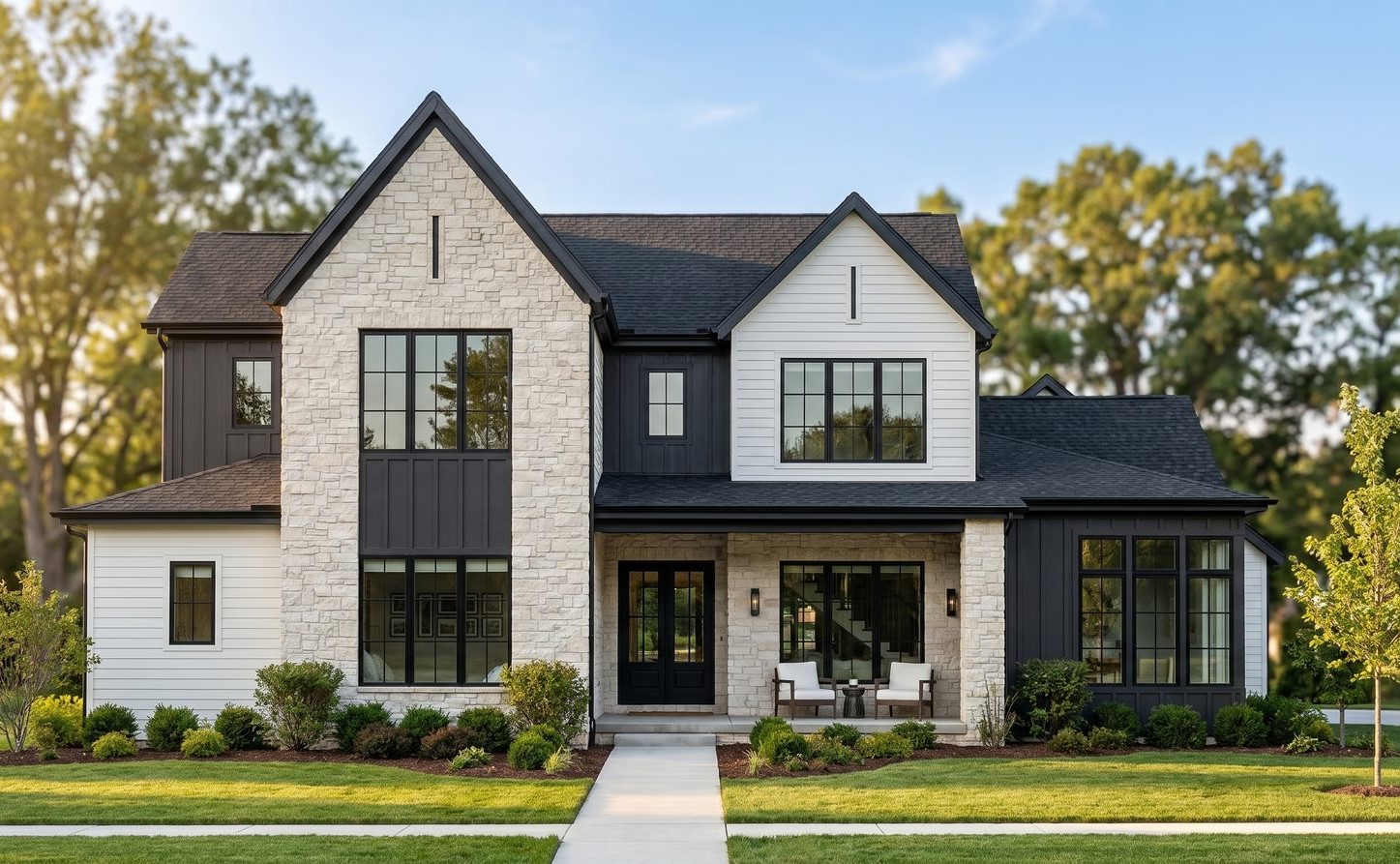
Design trends influence first impressions, but their value goes beyond appearance. Buyers considering a newly built home want to know whether the space will make daily life easier. Layout, storage, privacy, lighting and outdoor access can help answer that question before a tour.
Monmouth County buyers have varied priorities. A home near the shore may benefit from outdoor entertaining space and durable finishes, while an inland property may appeal through family gathering areas or room for visitors. Commuting needs and plans for aging in place can also matter.
Builders and marketing teams should connect each design feature to a clear benefit. Explain how the layout supports daily routines, where coats and bags can be stored and how the kitchen connects with the living area. Photography should make room scale and natural light easy to judge.
Before promoting a new construction property, ask:
- Who is most likely to see this home as a fit?
- Which design details solve a practical need?
- Can the floor plan and listing photos make those benefits clear?
- Are the finishes attractive without limiting buyer appeal?
When marketing reflects how people live, design becomes easier to understand and more relevant to the purchase decision.
Open Layouts and Flexible Rooms Match How Buyers Live
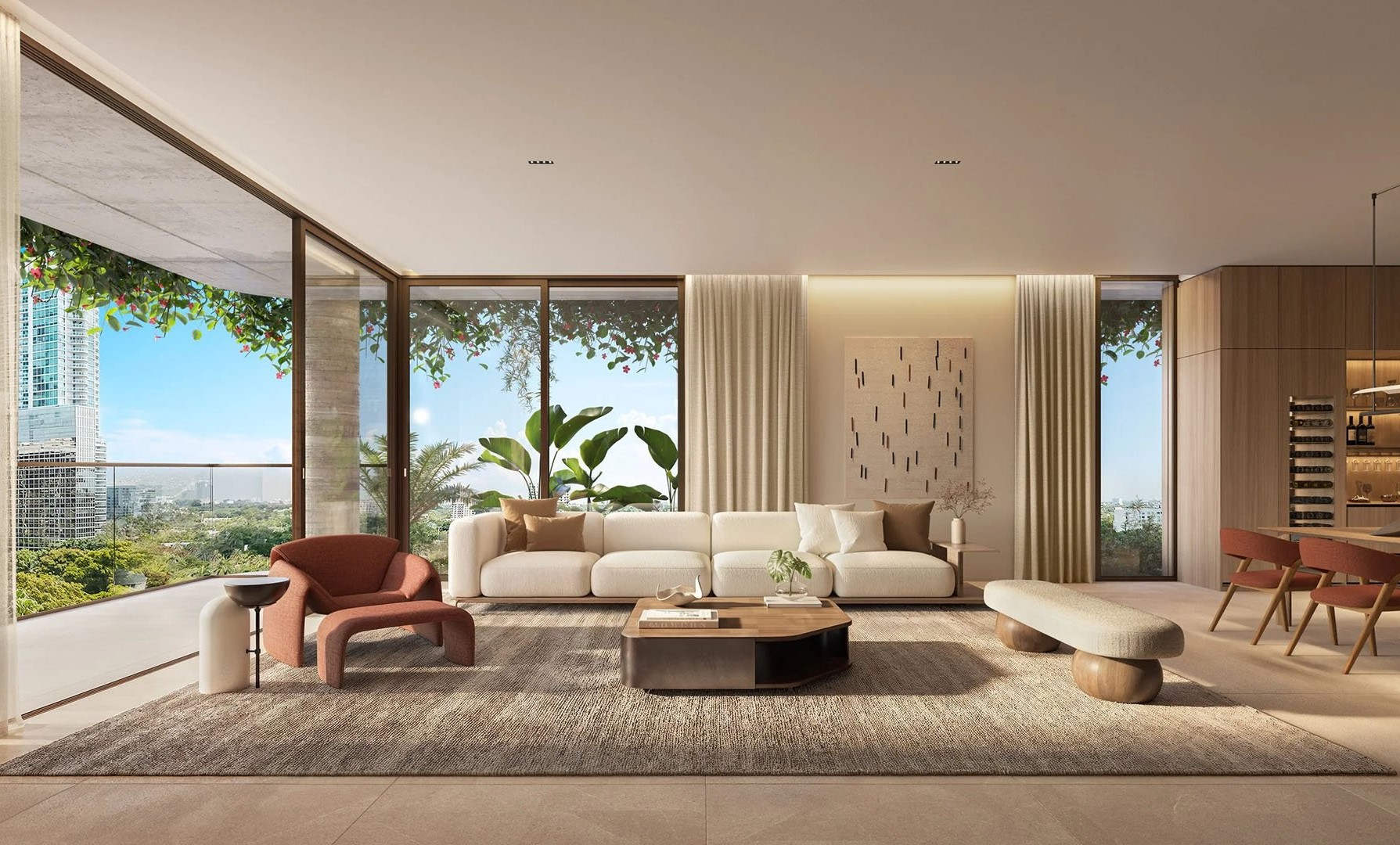
Open kitchens and connected living areas help households cook, host guests and spend time together. Yet buyers also value quieter places to concentrate, take calls or relax away from shared activity.
Flexible rooms can be a strong selling point in new construction. A spare bedroom, loft or study may serve different purposes as a household changes. The same space could become a home office, homework zone, fitness room, hobby area or occasional guest room. A room with more than one use can help buyers picture staying in the home for longer.
Some Monmouth County buyers want an office, while others need a first-floor room for a family member or guests. Marketing should show possible uses without claiming that one room suits everyone.
Builders can demonstrate flexibility through:
- Floor plans that suggest practical uses for each space.
- Renderings that show alternate furniture layouts.
- Photos that explain how shared rooms connect with quieter areas.
- Clear details about doors, storage and nearby bathrooms.
These details help buyers picture daily life in the home and give marketing teams more to say than “spacious layout.”
Kitchens, Storage and Natural Light Influence Buyer Decisions
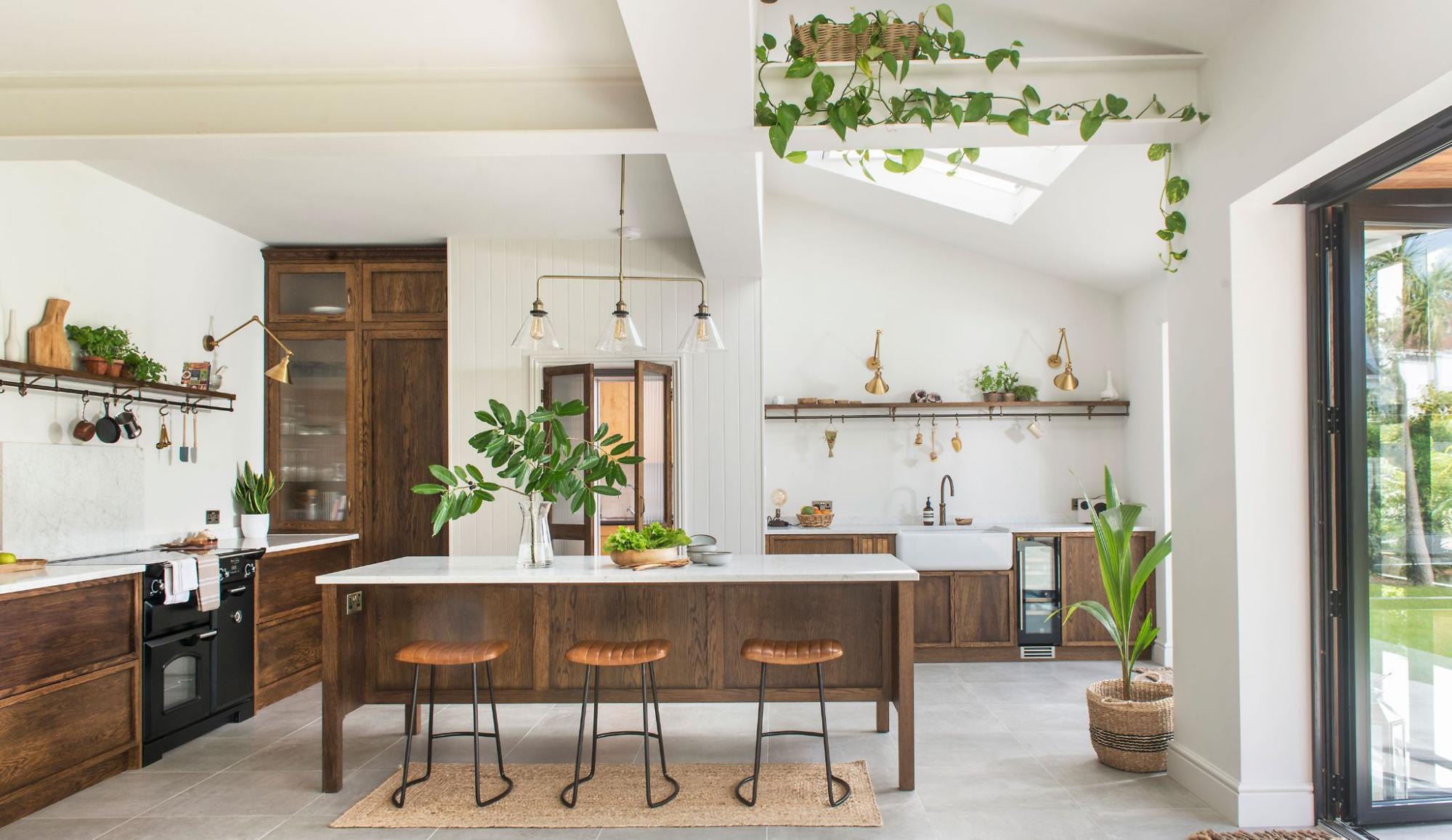
The kitchen often anchors a buyer's impression of a new home. Its layout and usability matter as much as the finishes because it supports daily meals and gatherings.
A large island may attract attention, but buyers also need comfortable circulation, usable counter space and storage for everyday items. A pantry can reduce clutter, while pull-out shelves can make cabinets easier to use. Natural light can help a kitchen feel welcoming even when its floor area is modest.
Prioritize features that serve repeated needs rather than relying on short-lived style statements. When describing a kitchen, highlight:
- Cabinet storage and pantry capacity.
- Natural light from windows or doors.
- Counter space and the layout around the island.
- Durable surfaces that are straightforward to maintain.
- Dining space or casual seating for everyday routines.
Storage matters throughout the home. A laundry room, garage storage, a coat drop zone and useful bedroom closets can make the property easier to manage, even if they attract less attention than a statement staircase.
Photos should show features honestly. A bright kitchen image needs to reflect the room's actual proportions, and a floor plan should make storage locations clear. A straightforward presentation builds confidence and attracts buyers who value function as well as appearance.
Indoor-Outdoor Living Fits Monmouth County Lifestyles
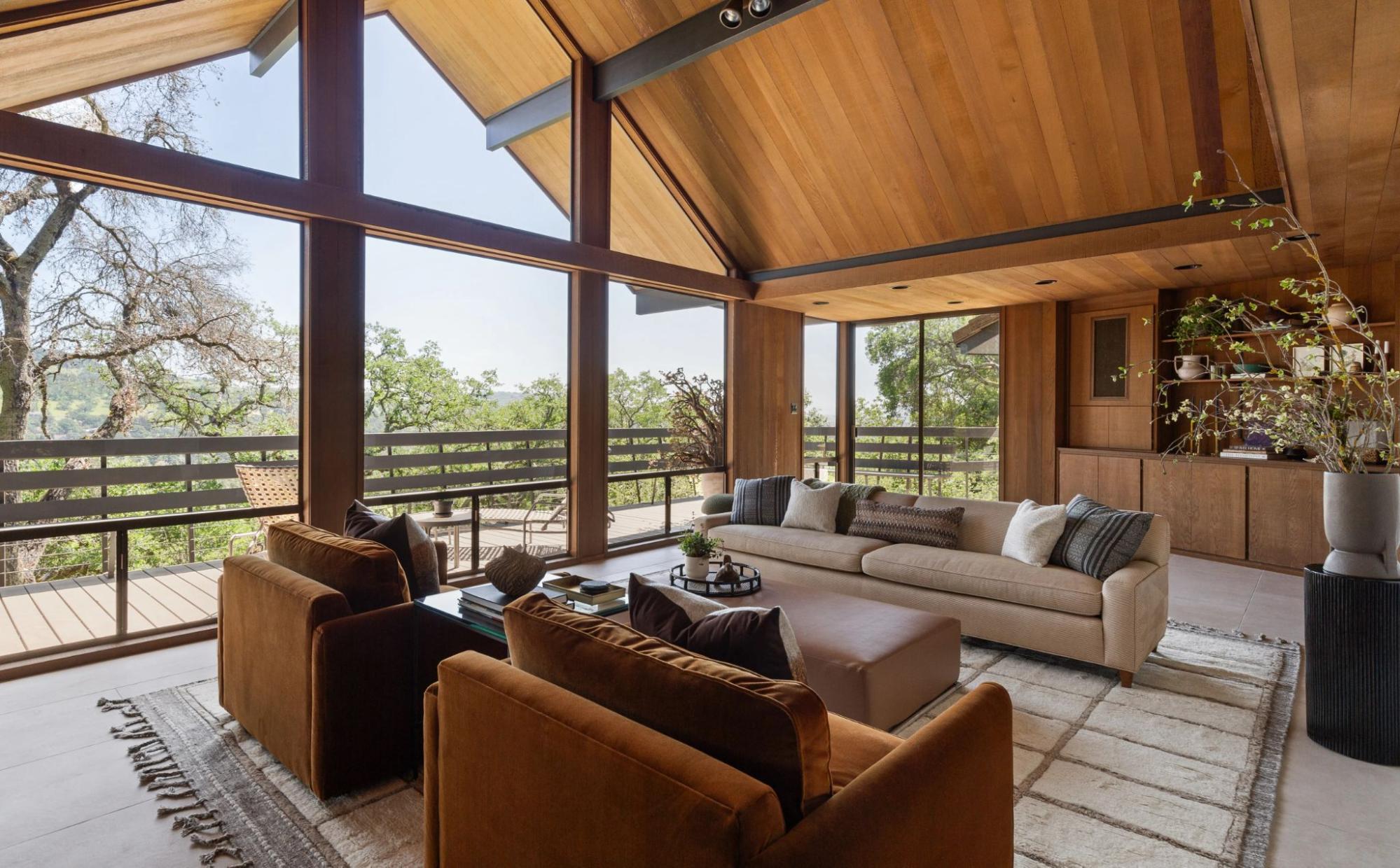
Outdoor space is an important part of home life in Monmouth County. Patios, decks and porches support meals and gatherings in warmer months, while landscaping and exterior lighting make these areas more inviting.
For coastal and near-shore properties, buyers may also consider how materials perform under local weather conditions. Product selection should reflect exposure, maintenance needs and the home's location. Not every coastal-inspired feature is right for every lot, so design decisions should account for the site and long-term upkeep.
Indoor-outdoor living works best when the transition feels natural. Large doors connect shared areas to patios, covered porches provide shelter and exterior lighting improves access after dark. Landscaping can frame the home without adding unnecessary maintenance.
Marketing can make these connections visible. Include:
- A view from the kitchen or living area toward the patio.
- An image that shows how outdoor furniture fits the space.
- Exterior lighting and the approach to the front entrance.
- The relationship between the yard, deck and main living areas.
These visuals help buyers picture how the home may be used and give online listings a stronger story than one exterior photo.
Energy Efficiency and Smart Home Features Strengthen Appeal

Energy efficiency can appeal to buyers who want comfort and more control over household costs. New construction allows builders to coordinate insulation, windows, heating and cooling, lighting and appliances within the budget and code requirements.
Smart home features can add convenience. Programmable thermostats, video doorbells, security systems and lighting controls may simplify daily routines. The goal is to choose features that are useful and easy to operate rather than adding technology buyers may not want.
Marketing should remain specific and accurate. Name the included features and explain their practical purpose. Avoid promising a particular energy bill or level of savings unless reliable documentation supports the claim. If a feature is optional or only available in certain packages, make that clear.
A buyer-focused presentation can explain:
- Which energy-conscious materials or systems are included.
- How heating and cooling zones are arranged.
- Which smart controls come standard and which can be added.
- Where buyers can find product specifications or warranty details.
These details help buyers evaluate efficiency and technology beyond a list of fashionable extras.
Exterior Materials and Warm Finishes Shape First Impressions
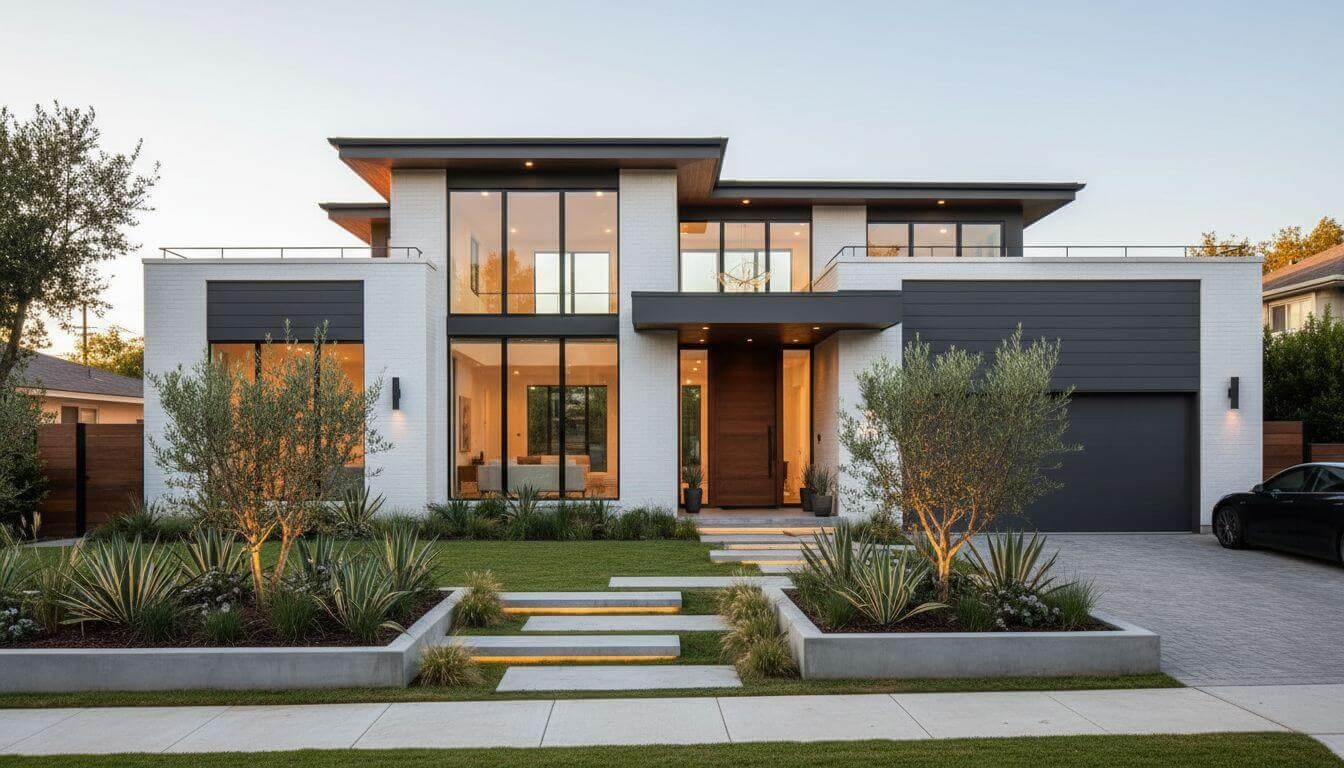
Exterior design shapes first impressions in listings and in person. Well-proportioned windows, a welcoming entrance and coordinated materials can signal quality without following every dramatic trend.
Recent industry coverage has highlighted warm neutrals, natural wood tones, dimensional details and deeper exterior accents. These choices offer an alternative to designs that rely entirely on stark white and black. In Monmouth County, the best palette should also suit the surrounding streetscape and the home's architectural style.
Texture, considered lighting, an attractive front door and landscaping can make a home distinctive without restricting future décor choices. Warm flooring and neutral wall colors can feel inviting while leaving room for personal taste.
Builders and marketers should show exterior details from several angles. A front elevation may not communicate material depth, side access or the connection to outdoor areas. Include images of the entry, rear elevation and key finishes where possible. If renderings are used before construction is complete, label them clearly and do not present optional features as installed.
How Builders Can Turn Design Trends Into Buyer Demand
A design trend does not automatically create demand. The feature must suit the buyer, fit the budget and be communicated clearly. Marketing translates design choices into benefits buyers can compare.
Start with a buyer profile. A household seeking more space may value storage and flexibility, while a long-term owner may focus on accessibility and low-maintenance finishes. Buyers who entertain may prioritize an open kitchen and connected patio. Treat these as starting points, not assumptions about everyone in a town.
Build consistent marketing around the property:
Listing copy:
Explain how features support daily living instead of relying on trend terms.
Photography:
Use accurate images that show scale, flow and storage.
Floor plans:
Make room relationships and circulation easy to understand.
Video tours:
Show a natural route through the home and how spaces connect.
Social content:
Explain the purpose behind specific design decisions.
Buyer conversations:
Ask which features matter most and use that feedback to improve future designs.
Local context should guide the story. A Monmouth County listing may explain outdoor spaces, everyday storage or materials selected for the property's setting. Specific benefits are more persuasive than generic design language.
Separate lasting functional improvements from styling choices. Storage, natural light and a sensible floor plan can support broad appeal, while a bold tile pattern or unusual fixture is easier to change later. This helps direct budgets toward useful features without limiting personal taste.
Review buyer questions after showings. Repeated concerns about office space, pantry storage or outdoor maintenance can improve the listing and inform future plans. Good marketing reflects the property honestly and learns from real responses.
Final Thoughts: Design With Monmouth County Buyers in Mind
Home design trends influence what buyers notice and which features they value. In Monmouth County, the strongest homes may not follow every new look. They combine layout, storage, light, outdoor living and efficient systems to support real routines.
For builders, that means choosing features with a clear purpose and showing their value through accurate photography, useful floor plans and thoughtful descriptions. For buyers, it means looking past a fashionable finish and considering how well a home may serve them over time.
Prawdzik Properties understands that a successful new home starts with thoughtful planning and careful execution. By connecting design decisions with New Jersey buyer needs and presenting those decisions clearly, builders can create homes that feel relevant today and remain appealing as lifestyles change.