How Much Does It Really Cost to Build a Custom Home in Essex County NJ
Building a custom home in Essex County NJ starts with one important question. What should you expect to spend? The answer depends on the property and the home you want to create. Land prices can vary. Site conditions can change the budget. Construction choices can shift the investment. Design decisions can also affect the final cost.
Essex County offers many residential settings. You may build in a long-established neighborhood. You may purchase a property with an older house and plan a complete teardown. You may also work with a lot that has limited access or tight building constraints. Each situation can create different costs.
A realistic budget should cover more than the new house. It should include land or the existing property. It should account for demolition when needed. It should cover design and approvals. It should also include construction and finishes.
This guide explains the major costs involved in building a custom home in Essex County NJ. It also shows what can influence your final investment.
1. The Cost of Land in Essex County
Land is one of the first major expenses in a custom home project. Essex County includes communities such as Montclair, Livingston, West Orange, Maplewood, Short Hills and North Caldwell. Property values can vary between neighborhoods. Lot size can affect the price. Zoning can also determine what you can build.
Some buyers purchase an empty lot. Others purchase an older home with plans to remove it and build new. A teardown can create added expenses before construction.
The property may need clearing. It may need excavation or grading.
Before purchasing a property review these conditions:
- Zoning requirements
- Setback rules
- Lot coverage limits
- Utility availability
- Driveway and site access
- Drainage conditions
- Existing structures
- Demolition requirements
The purchase price is one part of the land investment. A thorough property review can help reveal the work needed before the new home can move forward.
2. Construction and Material Costs
Construction is usually the largest part of a custom home budget. A commonly cited 2026 New Jersey planning range is about $350 to $700 or more per square foot before land. Luxury projects can move beyond that range.
The final price depends on the home you want to build. A straightforward floor plan has different requirements from a highly customized design. Large windows can increase material costs. Tall ceilings can require additional work. Complex rooflines can also increase labor.
Material selections have a strong effect on price. Cabinets can range from practical options to fully custom packages. Countertops can vary widely. Flooring can be simple or highly upgraded. Windows and doors can also create a noticeable difference.
Home size matters too. A larger home requires more foundation work. It needs more framing. It requires more mechanical systems. It also needs more finished materials.
Special features can raise the investment. These may include finished basements. They may include home offices. Outdoor living areas can also add cost. Smart-home technology can increase the budget.
A detailed scope of work gives your builder a stronger foundation for pricing.
3. Labor Permits and Inspections
A custom home requires many skilled trades. Each trade helps move the project from the foundation to the final walkthrough.
Your project may involve:
- Framers
- Electricians
- Plumbers
- HVAC professionals
- Roofers
- Masons
- Flooring installers
- Cabinet specialists
- Painters
- Finish carpenters
Labor costs depend on the size and complexity of the project. Custom details can require more skilled work. Specialty features can also increase installation time.
Permits and inspections are another important budget category. Requirements can vary by municipality and project scope.
Common expenses may include:
- Building permits
- Zoning approvals
- Electrical permits
- Plumbing permits
- Mechanical permits
- Engineering services
- Plan review
- Municipal inspections
These costs should be considered before construction begins. Early planning can help reduce delays and keep the project organized.
4. Architectural Design and Planning Fees
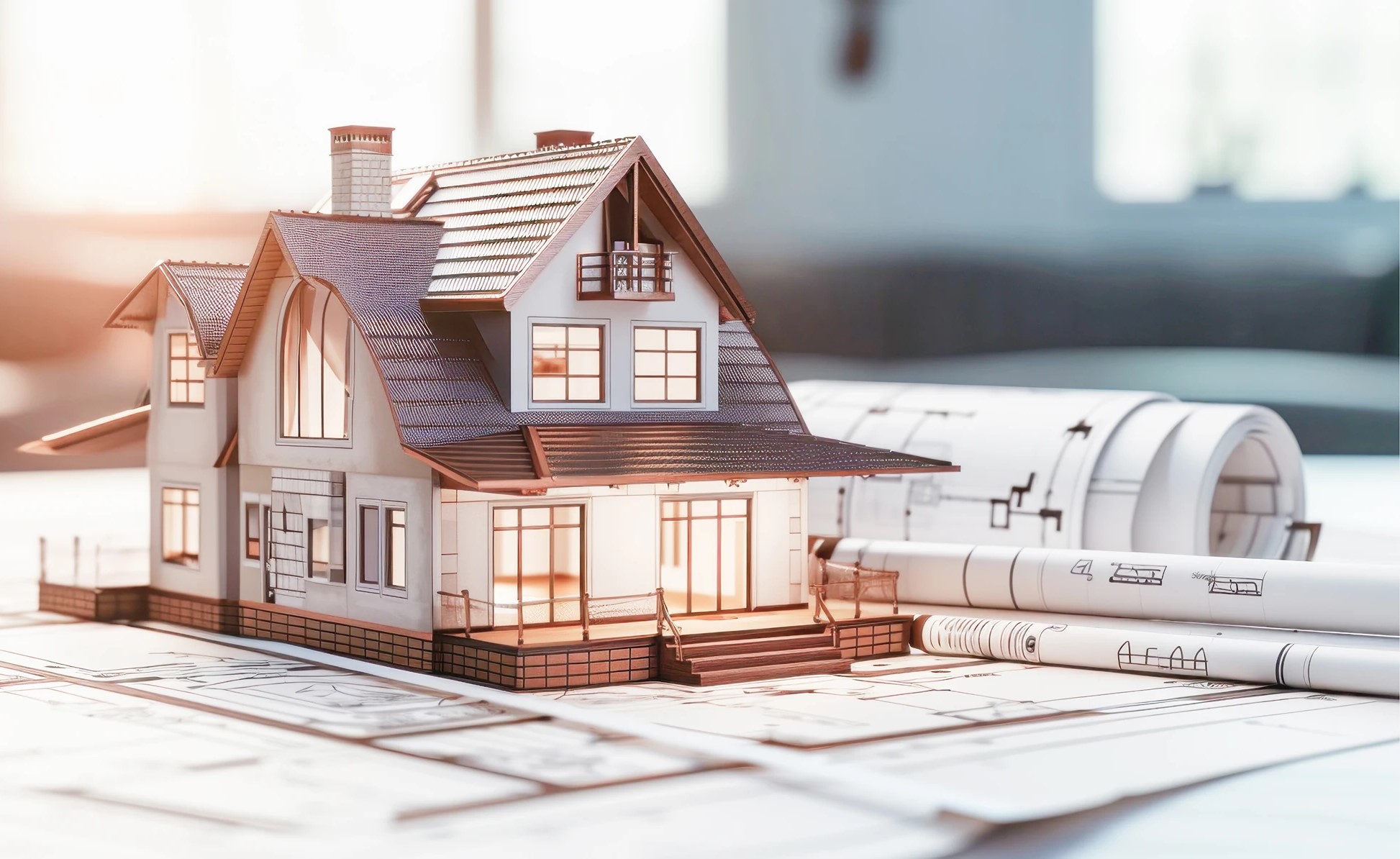
Every custom home begins with a plan. Architectural design helps determine how the home will look. It also determines how the rooms will function and how the house will fit the property.
The planning process may include:
- Initial design meetings
- Concept development
- Architectural plans
- Structural plans
- Engineering documents
- Interior selections
- Three-dimensional renderings
Design fees depend on the scope of the project. A simpler residence may need less planning. A detailed custom home may require additional documentation.
Essex County properties can make careful planning especially important. Some lots have tighter setbacks. Some properties have existing structures that need to be removed. Certain sites may require careful planning for access and construction staging.
Good design work can help identify problems before construction begins. It can give homeowners a clearer view of the finished home and the expected budget.
5. Interior Finishes and Custom Details
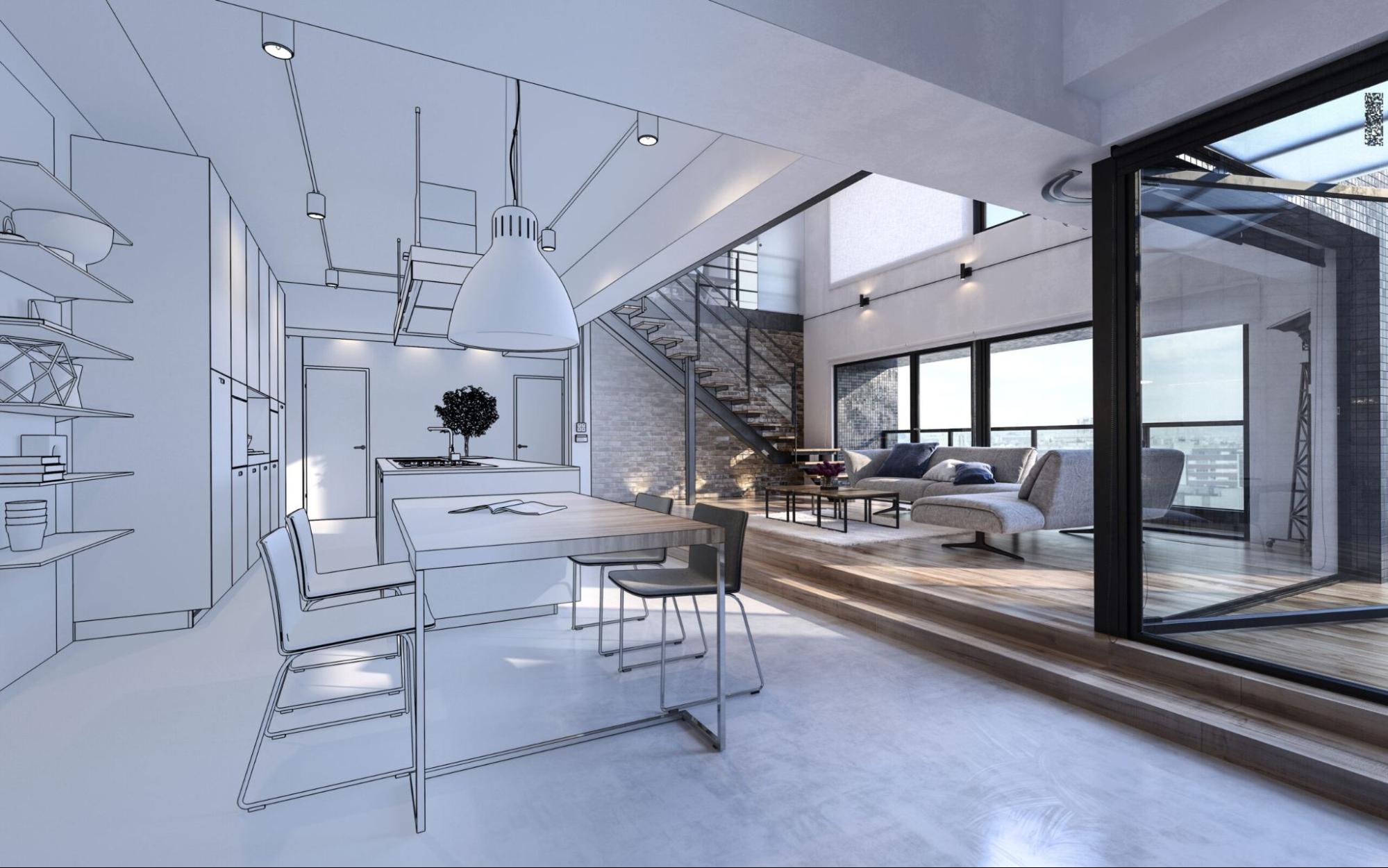
Interior finishes can have a major impact on the final cost of a custom home. They also give homeowners the opportunity to create spaces that match their lifestyle.
Essex County homeowners may want a home that feels polished and comfortable. Some may prioritize entertaining areas. Others may focus on family spaces and storage.
Popular selections include:
- Gourmet kitchens
- Premium appliances
- Custom cabinetry
- Built-in storage
- Designer bathrooms
- Hardwood flooring
- Specialty tile
- Smart-home technology
- Custom trim and millwork
The difference between standard and premium materials can be substantial. Set your priorities before making selections.
Focus your spending on the rooms and features that matter most. This can help you create a personalized home without allowing small upgrades to push the budget beyond your target.
6. Hidden and Additional Costs
Some expenses are easy to overlook during early planning. They can still have a major effect on the final investment.
Potential costs may include:
- Demolition
- Utility connections
- Utility upgrades
- Clearing
- Excavation
- Grading
- Drainage work
- Landscaping
- Hardscaping
- Additional engineering
- Design changes
Demolition is especially important when building on a property with an existing home. Removing the structure can involve more than taking down the building. The site may also need clearing and preparation before new construction starts.
A contingency reserve can provide useful flexibility. Many homeowners consider setting aside about 10% to 15% of the project budget.
This reserve gives you room to respond to unexpected conditions. It can also help cover changes that become necessary during construction.
A complete budget should cover the full project. It should not focus only on the construction contract.
7. Total Estimated Cost of Building a Home in Essex County
Every custom home has different requirements. Broad planning ranges can still help you establish an early budget.
For preliminary planning homeowners may consider:
- Mid-range custom homes: about $750,000 to $1.7 million or more
- Luxury custom homes: about $1.7 million to $3.5 million or more
These figures are planning ranges. They are not fixed Essex County prices.
The final investment depends on the property and the home. Land costs can affect the total. Demolition can add another expense. Site conditions can increase preparation costs. Home size also matters. Design complexity and finish selections can move the final number significantly.
The most reliable estimate comes from the property and house plans. A detailed scope of work can help establish a clearer budget before major construction decisions are made.
8. How to Budget Smartly for Your Dream Home
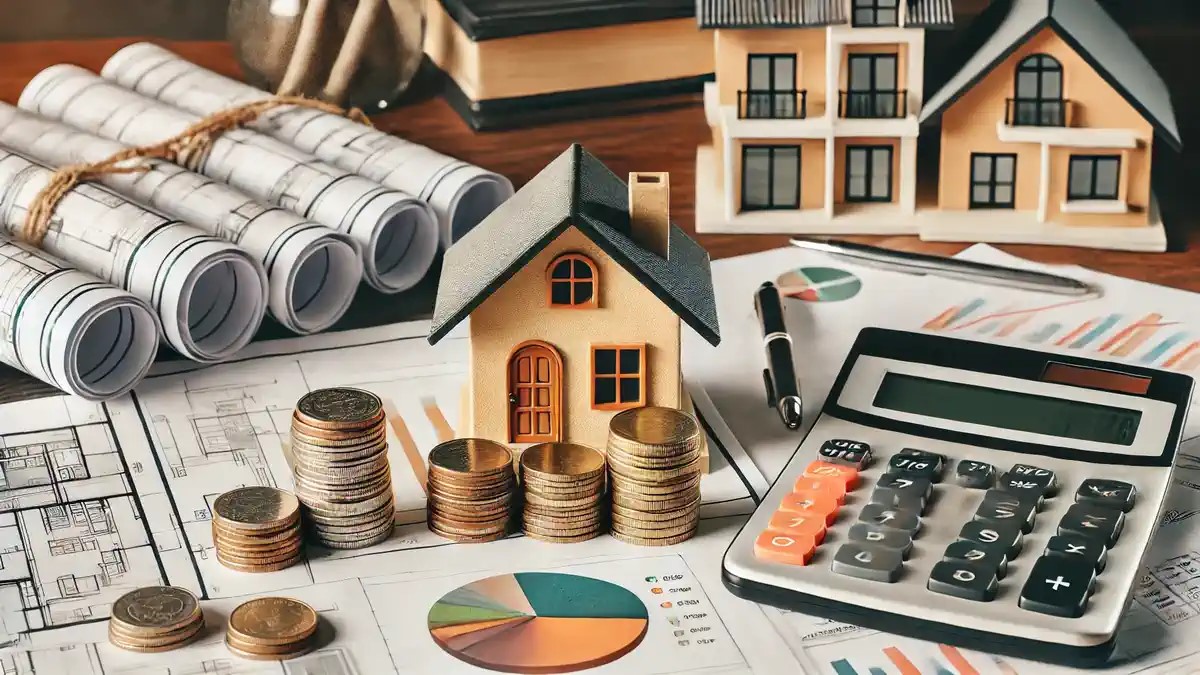
A realistic budget gives you a framework for the entire project. It can also help you decide where to direct your investment.
Start with your must-haves. Identify the rooms and features your family needs most.
Set priorities before selecting finishes. You may care most about the kitchen. You may want a larger primary suite. You may value outdoor living. You may need additional storage or a home office.
Choose materials with style and durability in mind. Think about future maintenance as well. A custom home should support your lifestyle for years to come.
Work with experienced professionals. A knowledgeable builder can identify major cost drivers early. A strong design team can keep the plans aligned with your budget.
Plan for the long term. Consider energy use. Consider maintenance. Consider how your household may change.
Keep a financial cushion. Flexibility can make the process easier when site conditions or selections change.
The goal is not simply to spend less. The goal is to direct your budget toward the features that matter most.
Final Thoughts: Building with Confidence at Prawdzik Properties
Building a custom home in Essex County NJ is a significant investment. It is also an opportunity to create a residence that fits your lifestyle and makes the most of your property.
A clear budget can make the process easier to manage. Careful planning can reduce surprises. Early decisions can improve coordination from design through construction.
At Prawdzik Properties, we understand that each Essex County property deserves a thoughtful and individualized approach. Whether you are building a new home on an available lot or replacing an existing structure, our structured process keeps your project focused from day one. We work closely with you through every milestone- from initial discovery and design to budgeting, permitting, construction and your final walkthrough.
A realistic budget gives you a clearer path forward. A coordinated team can help turn your vision into a custom home built around the way you want to live.