How Long Does It Take to Build a House - Your Complete Timeline from Start to Finish
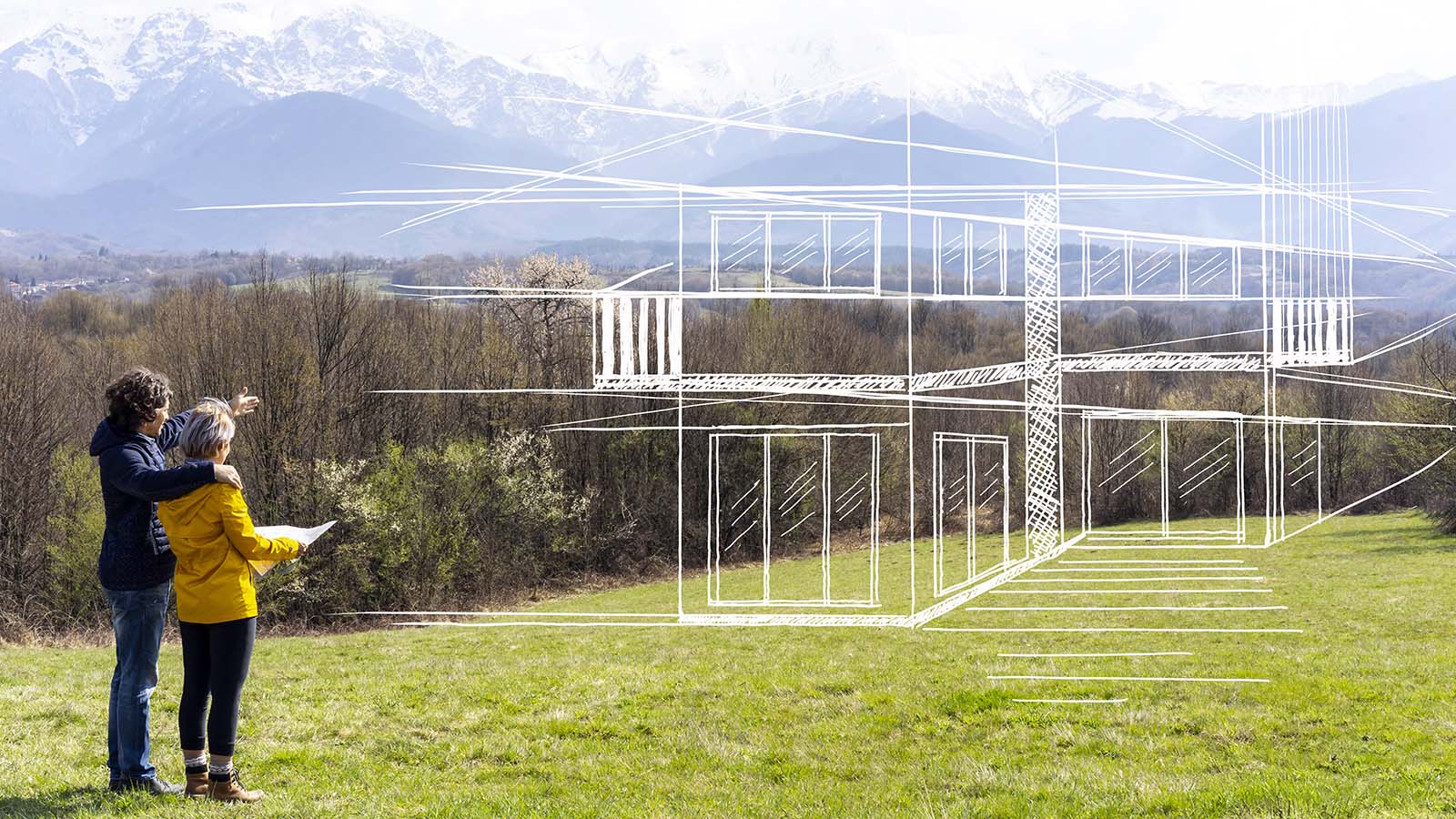
Learn what to expect at every stage of the home-building process, from planning and permits to construction, inspections, and the final walkthrough.
Understanding the Home-Building Process
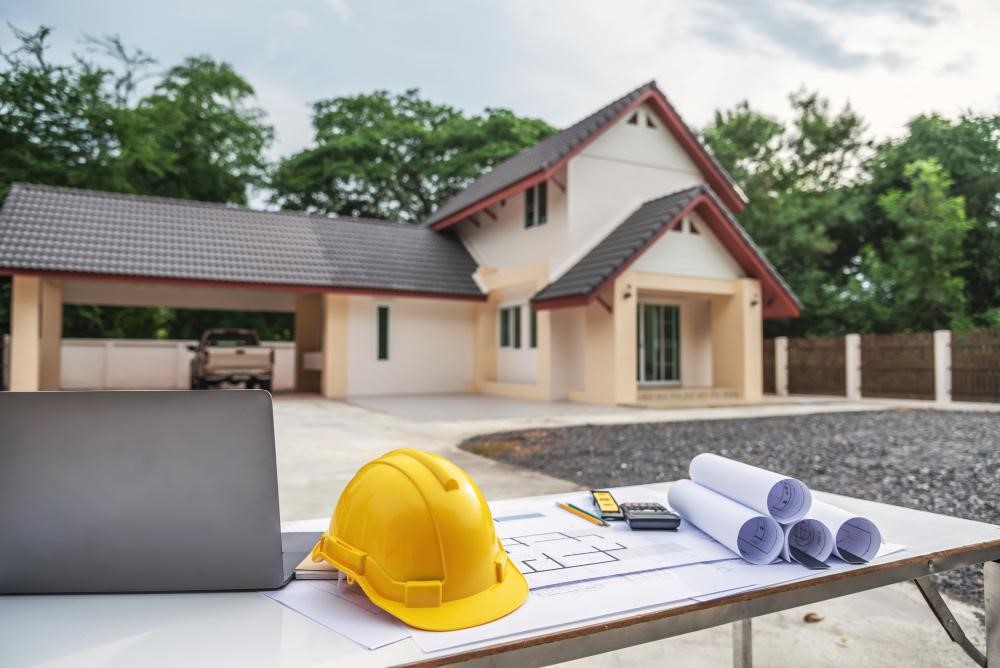
Building a house is one of life’s most rewarding milestones, but it also requires patience, coordination, and a clear understanding of what to expect. From designing your floor plan and obtaining permits to breaking ground and adding final touches, every phase plays a critical role in turning your vision into reality.
While the exact timeline can vary depending on the location, weather, materials, and complexity of the design, most new homes take between 8 and 14 months to complete. This comprehensive guide breaks down each step so you can plan ahead, stay organized, and make confident decisions throughout your home-building journey.
Step 1: Planning and Design (1–3 Months)

Every great home begins with a clear plan. During this stage, you’ll work with your architect, designer, and builder to create a design that fits your lifestyle, budget, and property size.
Key tasks during this phase include:
- Choosing your lot or building site
- Developing a floor plan and home style
- Selecting materials, finishes, and features
- Getting cost estimates and setting a realistic budget
The more detailed your planning phase, the smoother your construction will be. This is also the time to anticipate any design changes before construction begins making adjustments later can cause costly delays.
Step 2: Securing Permits and Approvals (1–2 Months)
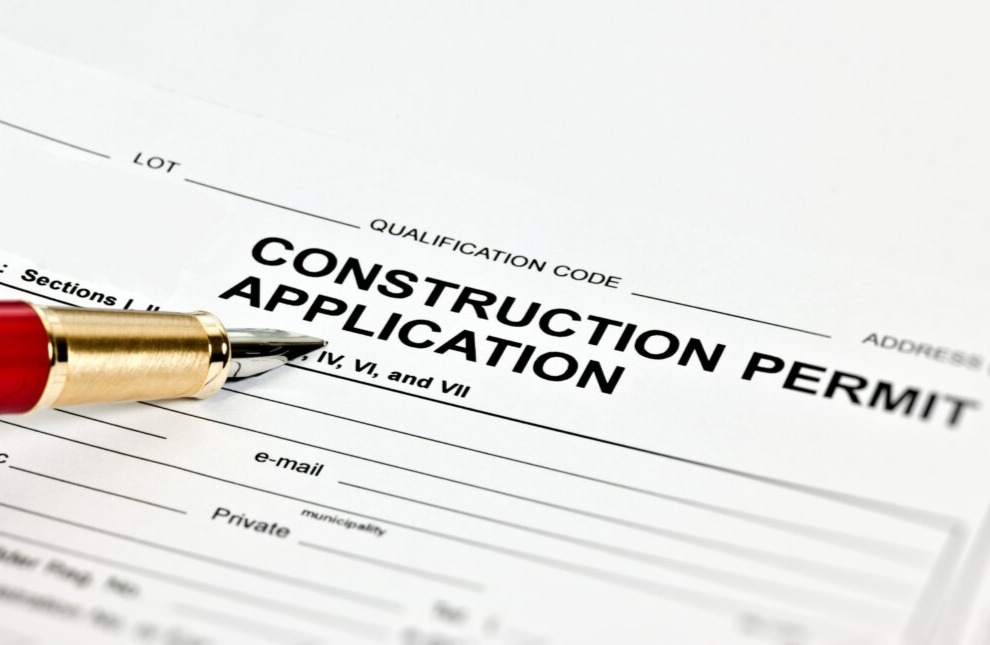
Before construction can start, your builder must obtain the necessary permits and approvals from local authorities. These typically include zoning clearances, building permits, and environmental or safety inspections.
This process can take several weeks, depending on local regulations and how quickly paperwork is processed. Having a knowledgeable builder who understands the local building codes and requirements can help move this step along faster.
Step 3: Site Preparation and Foundation (1–2 Months)
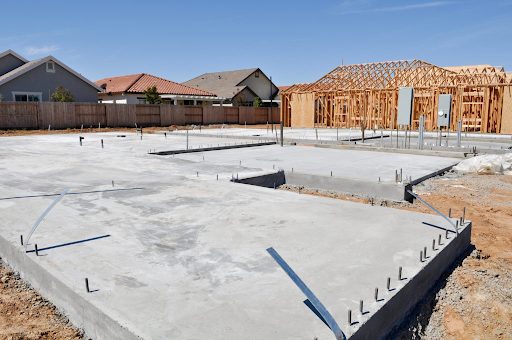
Once permits are approved, it’s time to prepare your land for construction. This includes clearing the lot, leveling the ground, and setting up drainage systems.
After site prep, the foundation is poured either a slab, crawl space, or full basement depending on your design and soil conditions. The concrete will need time to cure before framing can begin.
During this phase, weather can impact progress, especially in regions with heavy rain or cold temperatures. Patience is key as your builder ensures a strong and stable foundation for your home.
Step 4: Framing and Structural Work (1–2 Months)
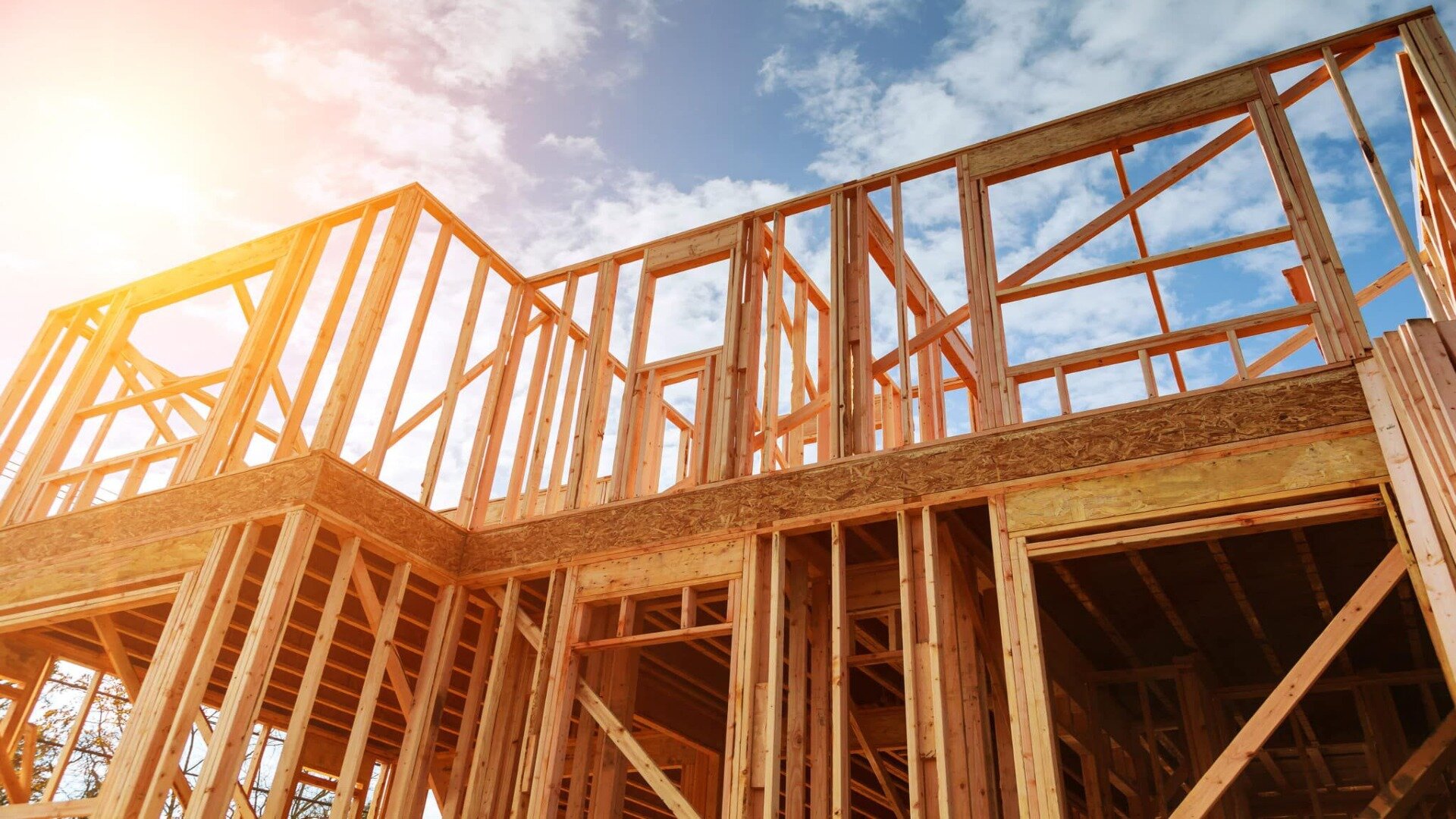
This is where your home begins to take shape. The framing phase includes building the walls, floors, and roof structures that form your home’s skeleton. You’ll start to see the actual layout of each room.
Once the structure is complete, the builder installs sheathing, windows, and doors to create a weather-tight shell also known as “dry-in.” This step prepares the home for mechanical installations and interior work.
Framing is often one of the most exciting stages because it’s the first time you can physically walk through your future home.
Step 5: Electrical, Plumbing, and HVAC (1–2 Months)
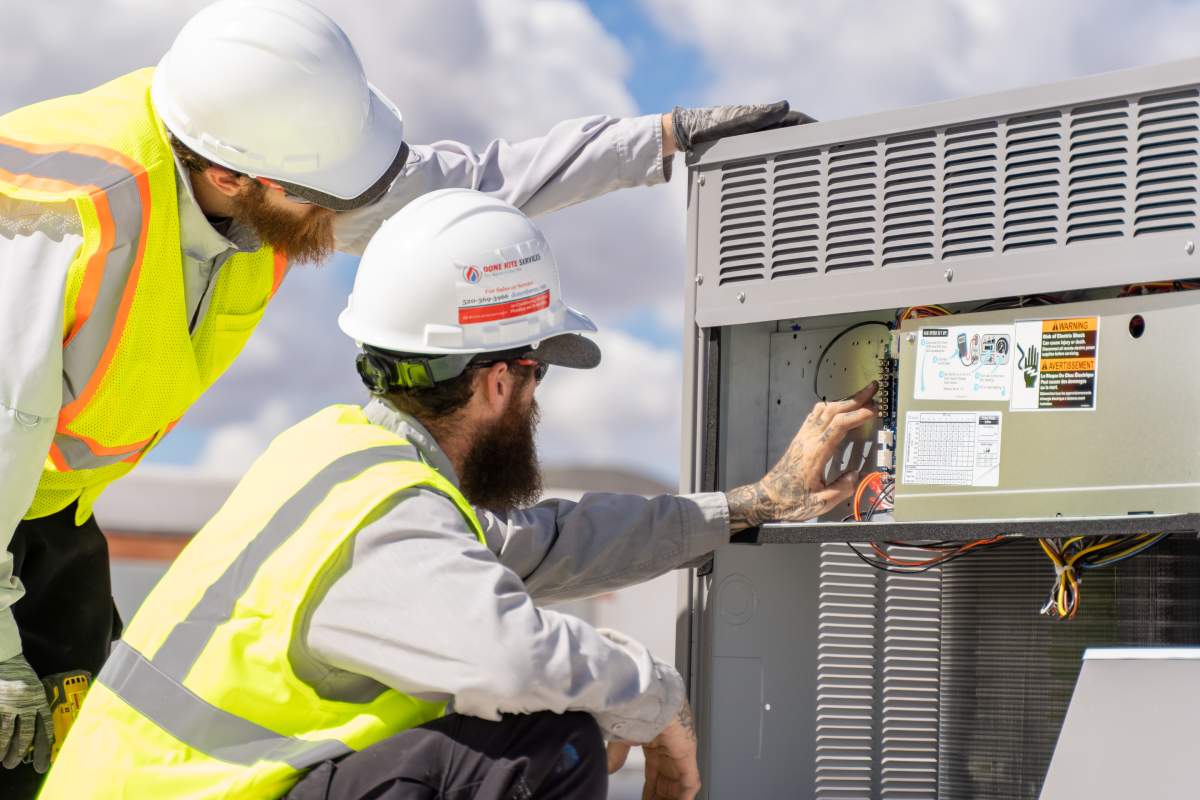
Next comes the installation of mechanical systems, the essential components that make your home livable. Electricians, plumbers, and HVAC specialists run wiring, pipes, ducts, and vents throughout the structure.
Once installed, inspectors will review the work to ensure it meets safety and building standards. This phase requires careful coordination among multiple trades to keep everything on schedule.
Step 6: Insulation, Drywall, and Interior Finishes (2–3 Months)
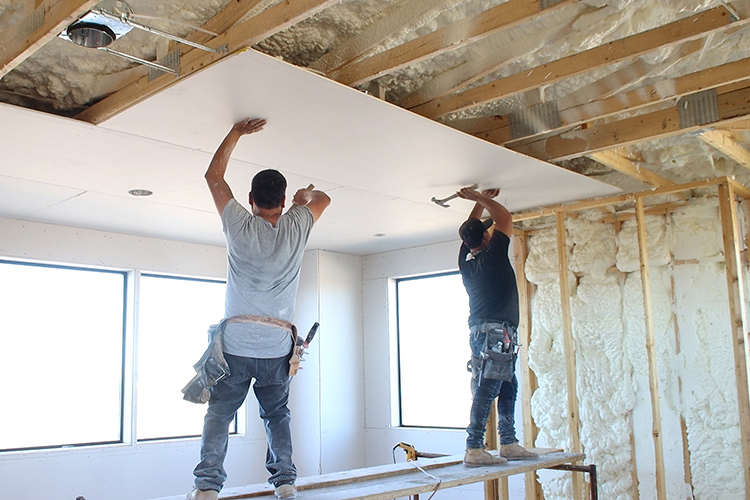
After the mechanical systems pass inspection, the interior walls are insulated and covered with drywall. This marks a major transformation and home’s rooms become clearly defined.
Once drywall is finished and painted, attention turns to interior finishes, such as:
- Flooring installation
- Trim and molding
- Cabinets and countertops
- Plumbing fixtures and lighting
This phase often takes the longest since it involves detailed work and multiple specialty trades. Any customization like built-ins, luxury materials, or Exquisite designs can add to the timeline but greatly enhance the final result.
Step 7: Exterior Work and Landscaping (1–2 Months)
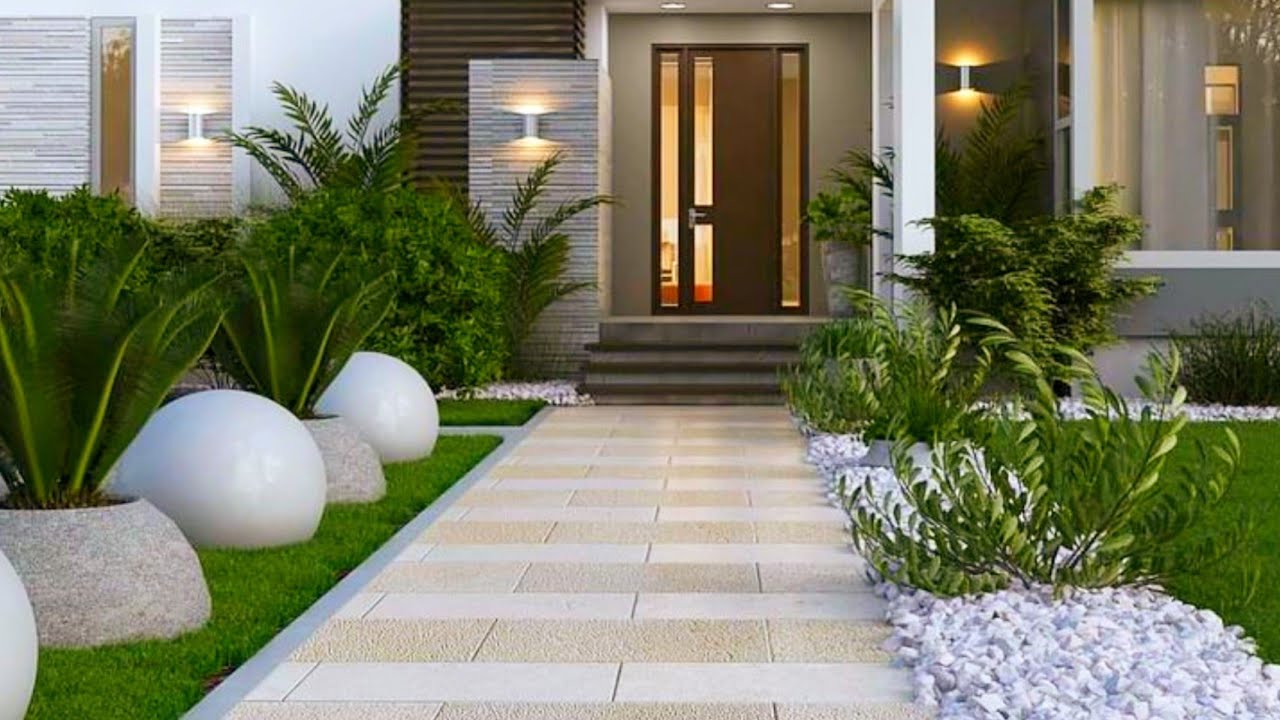
While the interior takes shape, the exterior also comes to life. Siding, roofing, driveways, patios, and landscaping are completed during this phase.
A well-planned exterior not only boosts curb appeal but also ensures proper drainage and long-term durability. Weather plays a major role here too, rain or extreme temperatures can affect progress, especially for outdoor materials like concrete or stone.
Step 8: Final Inspections and Walkthrough (2–4 Weeks)
Before you can move in, your builder will schedule a final round of inspections to confirm that everything meets local building codes and safety standards.
You’ll also do a final walkthrough to make sure every detail matches your expectations. During this time, you’ll:
- Test appliances, switches, and fixtures
- Check for paint touch-ups or imperfections
- Verify that doors and windows operate properly
- Confirm that all systems are functioning efficiently
Once everything passes inspection, you’ll receive a certificate of occupancy officially marking your home as move-in ready.
Step 9: Move-In and Post-Construction (Ongoing)

Congratulations you’ve made it! After months of hard work, your dream home is complete. Once you move in, take time to get familiar with your new space, learn your home’s systems, and review your builder’s warranty and maintenance guidelines.
Even after completion, regular maintenance is key to preserving your investment. Stay proactive with seasonal checks, and address small repairs before they become bigger issues.
Average Home-Building Timeline Overview
Phase | Typical Duration |
Planning & Design | 1–3 months |
Permits & Approvals | 1–2 months |
Site Prep & Foundation | 1–2 months |
Framing & Structural | 1–2 months |
Mechanical Systems | 1–2 months |
Interior Finishes | 2–3 months |
Exterior & Landscaping | 1–2 months |
Final Inspections | 2–4 weeks |
Total Estimated Time | 8–14 months |
This timeline can vary depending on your home’s size, design complexity, weather conditions, and builder’s schedule but it serves as a reliable guide for most custom home projects.
Final Thoughts
Building a new home is a journey of patience, creativity, and excitement. While it can take several months from concept to completion, every stage brings you closer to a space that’s uniquely yours. By understanding the timeline, staying organized, and working with an experienced builder, you can turn what seems like a long process into a smooth and rewarding experience.
At Prawdzik Properties, we specialize in guiding homeowners through every step of the custom home-building process from design and permits to construction and finishing touches. Our expertise, transparency, and commitment to craftsmanship ensure that your dream home is built with precision and care.