How Better Insulation and Air Sealing Improve Energy Efficiency and Sustainability in New Homes Across Morris County, NJ

New home buyers want more than attractive finishes and spacious floor plans. They also want comfort through changing seasons and responsible energy use. In Morris County, New Jersey, homes must handle cold winters and warm humid summers. Heat loss through walls and drafts from hidden gaps can add demands to heating and cooling systems.
Better insulation and careful air sealing help address these problems from the start. This can support lower energy use while making rooms feel more comfortable throughout the year. It can also help a new home operate with less strain on its mechanical equipment.
Sustainability is not limited to solar panels or highly visible green features. It begins with the way a home is designed and built. A well-insulated and properly sealed house can reduce wasted energy every day without asking homeowners to change their routines. Buyers in Morristown, Parsippany, Randolph and Denville should consider these details before construction begins.
How Insulation and Air Sealing Work Together in New Homes
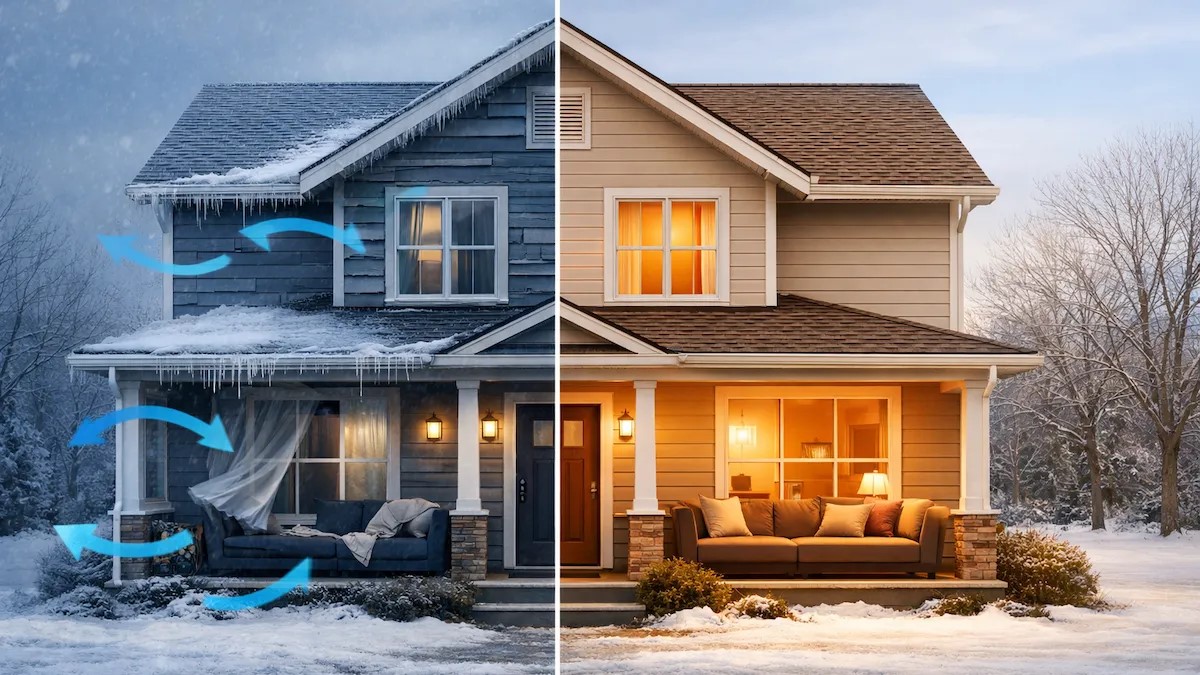
Insulation and air sealing serve different purposes. Insulation slows the movement of heat through building materials. Air sealing closes gaps that allow outdoor air to enter or conditioned indoor air to escape. Insulation cannot perform well when air moves freely through gaps in the building envelope.
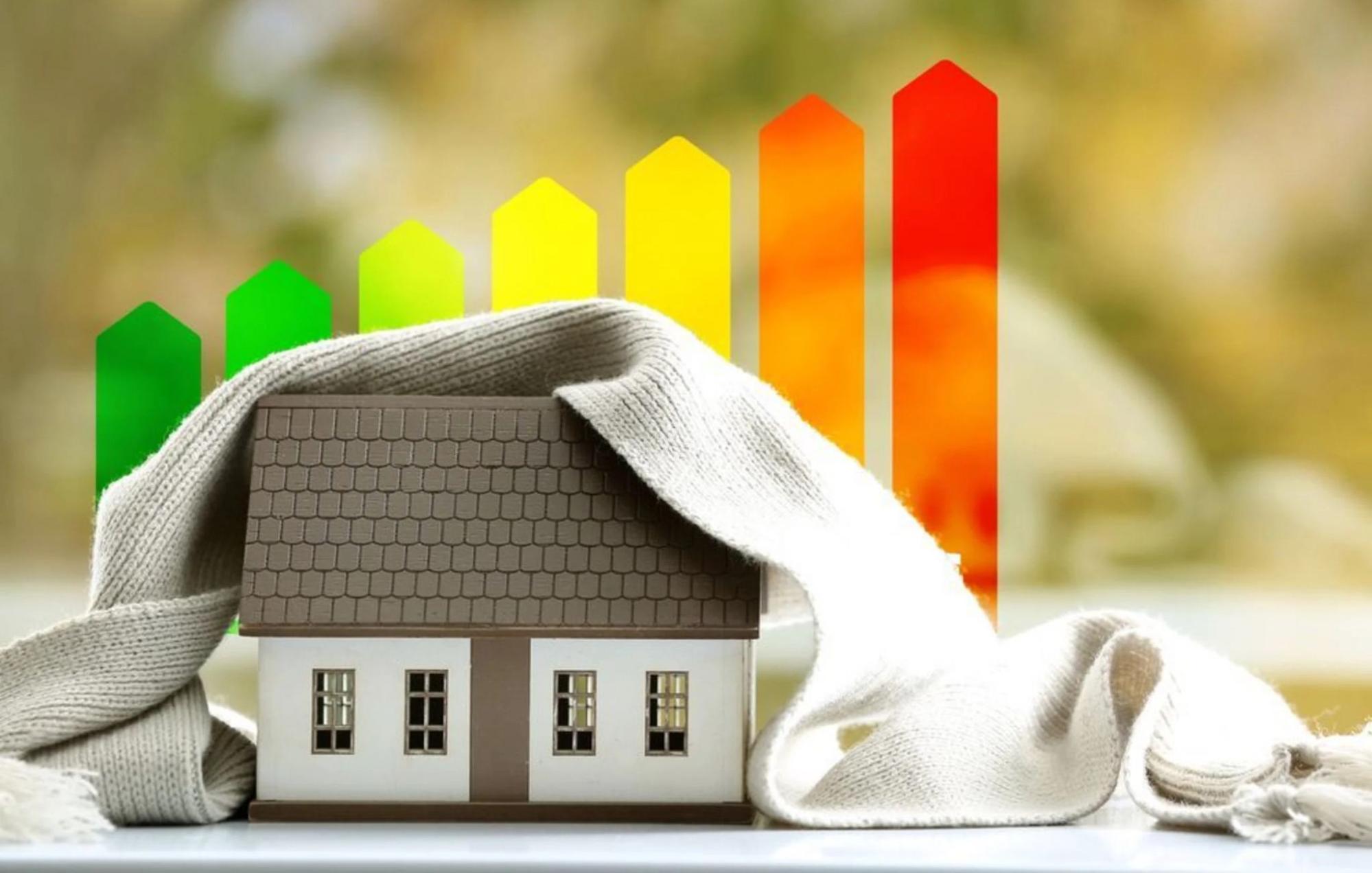
Think of insulation as a warm layer around the home. Air sealing protects that layer from drafts that can bypass it. The U.S. Department of Energy explains that insulation does not necessarily stop air movement through cracks and openings. It also identifies air sealing as a practical way to improve comfort and energy performance.
A builder should plan both measures together. The design must show where insulation belongs and how the air barrier continues around the home. This is especially important at roof and foundation connections.
When the two systems work together, homeowners can benefit from:
- More even indoor temperatures between rooms and floors.
- Fewer cold drafts during winter and less unwanted heat entering in summer.
- Reduced heating and cooling demand when the home is operated as designed.
- Better control over air movement through the building envelope.
Where to Focus Insulation and Air Sealing During Construction
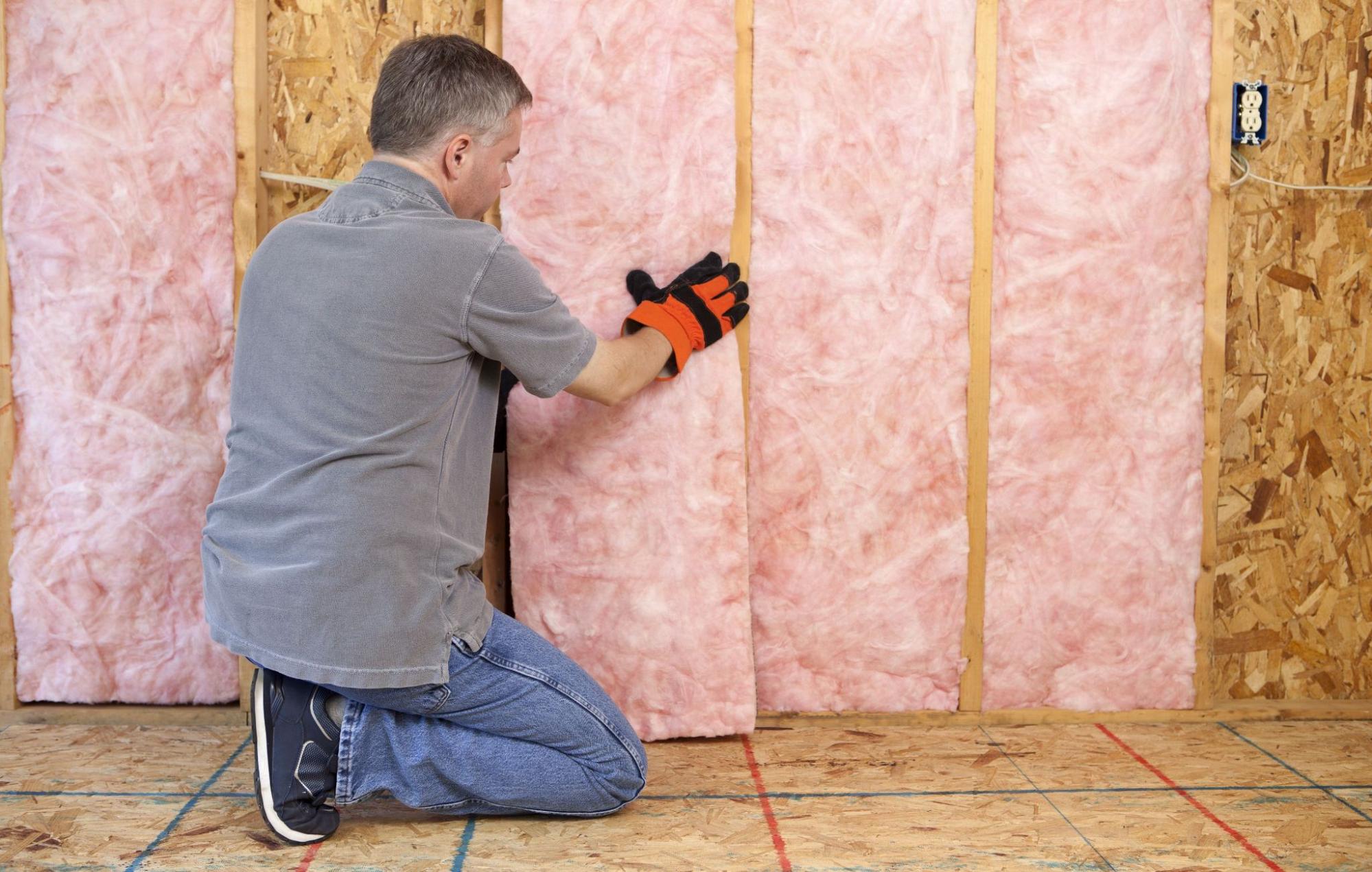
A new home offers the best opportunity to address hidden gaps before drywall and finished surfaces cover them. Insulation and air sealing should cover the full building envelope rather than focus only on the attic.
Attics and roof assemblies:
Warm air can escape through openings around ceiling fixtures and service penetrations. The attic floor or roof assembly needs suitable insulation and a detailed air barrier.
Exterior walls:
Insulation should fit the wall cavities without large gaps or compression. The air-control layer must connect around windows and doors and continue at wall corners and floor transitions.
Basements and foundations:
Foundation walls and rim joists can contribute to heat loss. These areas need materials that suit the assembly and manage moisture correctly. The builder must account for drainage and water entry before adding insulation.
Windows and exterior doors:
Frames and rough openings need proper flashing and air sealing. Quality windows matter, but gaps around the frame can undermine their performance.
Floors and attached garages:
Floors above unconditioned spaces need insulation and air sealing at their edges. Walls between a home and an attached garage should also be detailed to limit air movement and keep garage pollutants out of living areas.
A continuous approach prevents weak connections from undermining well-insulated sections.
Choosing Sustainable Insulation Materials for Morris County Homes
Insulation materials differ in cost, installation method and environmental impact. The right choice depends on the location and the project's performance goals. A sustainable decision considers durability and installation quality as well as the material itself.
Common options include:
Fiberglass batts:
These are widely used in wall and ceiling cavities. They can offer dependable thermal resistance when fitted correctly and kept dry.
Cellulose:
Often made with recycled paper content, cellulose can be installed in suitable wall and attic assemblies. Proper density and coverage help limit settling and gaps.
Mineral wool:
This material offers thermal and sound-control benefits. It is also valued for its fire-resistant characteristics.
Spray foam:
Certain products can provide insulation and air sealing in one application. They require careful selection and professional installation because details such as product chemistry and thickness affect performance.
Rigid foam boards:
These can provide continuous insulation in selected wall and foundation assemblies. Their placement must be coordinated with water management and other layers.
No single material suits every part of a home. The builder should explain each product choice and show how the full wall or roof assembly will manage heat and moisture. Buyers should ask whether the insulation can be inspected before it is covered.
Sustainability includes long-term performance. A material that is poorly installed may deliver less value even when its advertised rating looks impressive. Correct fitting and careful detailing help the home retain its intended efficiency over time.
How a Tighter Building Envelope Improves Comfort and Energy Use
A home with fewer uncontrolled air leaks is easier to heat and cool. During a Morris County winter, drafts near floors and exterior walls can make a room feel colder than the thermostat setting suggests. During summer, outside air can add heat and humidity that the cooling system must remove. A better building envelope helps reduce these unwanted changes.
A well-designed envelope can make bedrooms more comfortable at night and help reduce temperature differences between upper and lower floors. It can also reduce the demand placed on heating and cooling equipment.
Savings depend on home size and orientation as well as thermostat settings and equipment efficiency. Occupant habits and weather also affect costs. A builder should not promise a fixed percentage without a project-specific energy analysis.
Better insulation and air sealing can support sustainability in practical ways:
- Less heating and cooling energy may be needed to maintain indoor comfort.
- Lower energy demand can reduce the home's operating emissions when the energy source produces emissions.
- Mechanical equipment may experience less demand when the envelope is designed and balanced correctly.
- Durable construction can reduce the need for corrective work caused by drafts or condensation.
Upgraded products cannot replace whole-home planning.
Why Moisture Control and Ventilation Must Be Planned Together
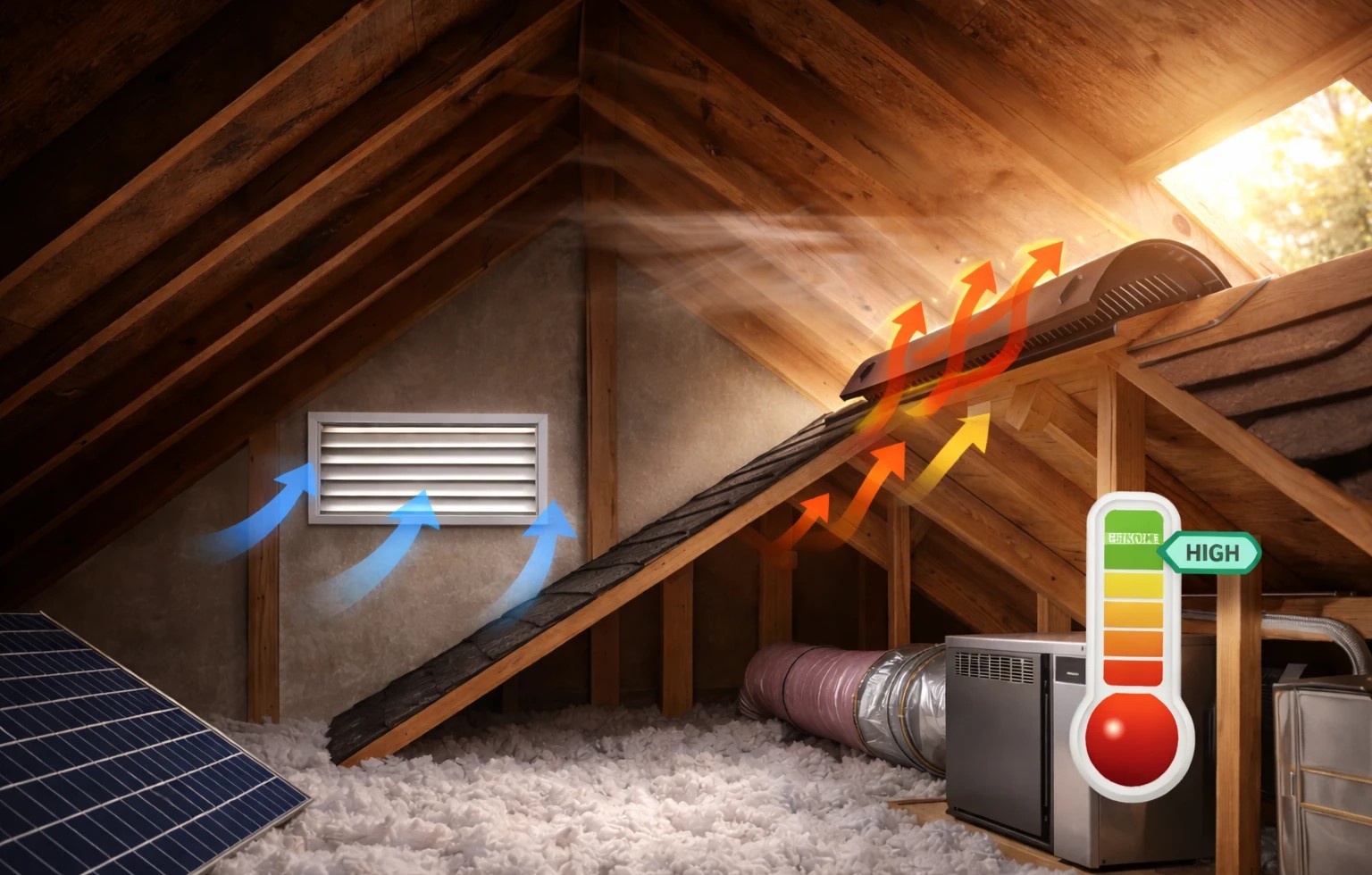
A tighter home needs a deliberate ventilation strategy. Air sealing reduces uncontrolled air exchange, but indoor spaces still need a suitable supply of fresh air. Cooking and bathing add moisture while household activities release indoor pollutants. Without ventilation stale air and humidity can build up.
The U.S. Department of Energy says air sealing should be paired with ventilation because inadequate airflow can allow moisture and combustion gases to accumulate.
In a Morris County home, the construction team should consider how the building handles humid summer air and moisture generated indoors during winter. The design should direct water away from the foundation and protect vulnerable assemblies from leaks. Bathroom fans and kitchen exhaust should vent outdoors. Mechanical ventilation may also be appropriate based on airtightness and system design.
Homeowners should ask how the builder plans to:
- Control bulk water around roofs, windows and foundations.
- Manage indoor humidity through suitable exhaust and ventilation.
- Prevent condensation inside walls and roof assemblies.
- Coordinate air sealing with fireplaces and other fuel-burning equipment.
- Verify that ventilation systems are installed and operating correctly.
The goal is controlled airflow that supports comfort and healthy indoor conditions.
What Morris County Homeowners Should Ask Their Builder
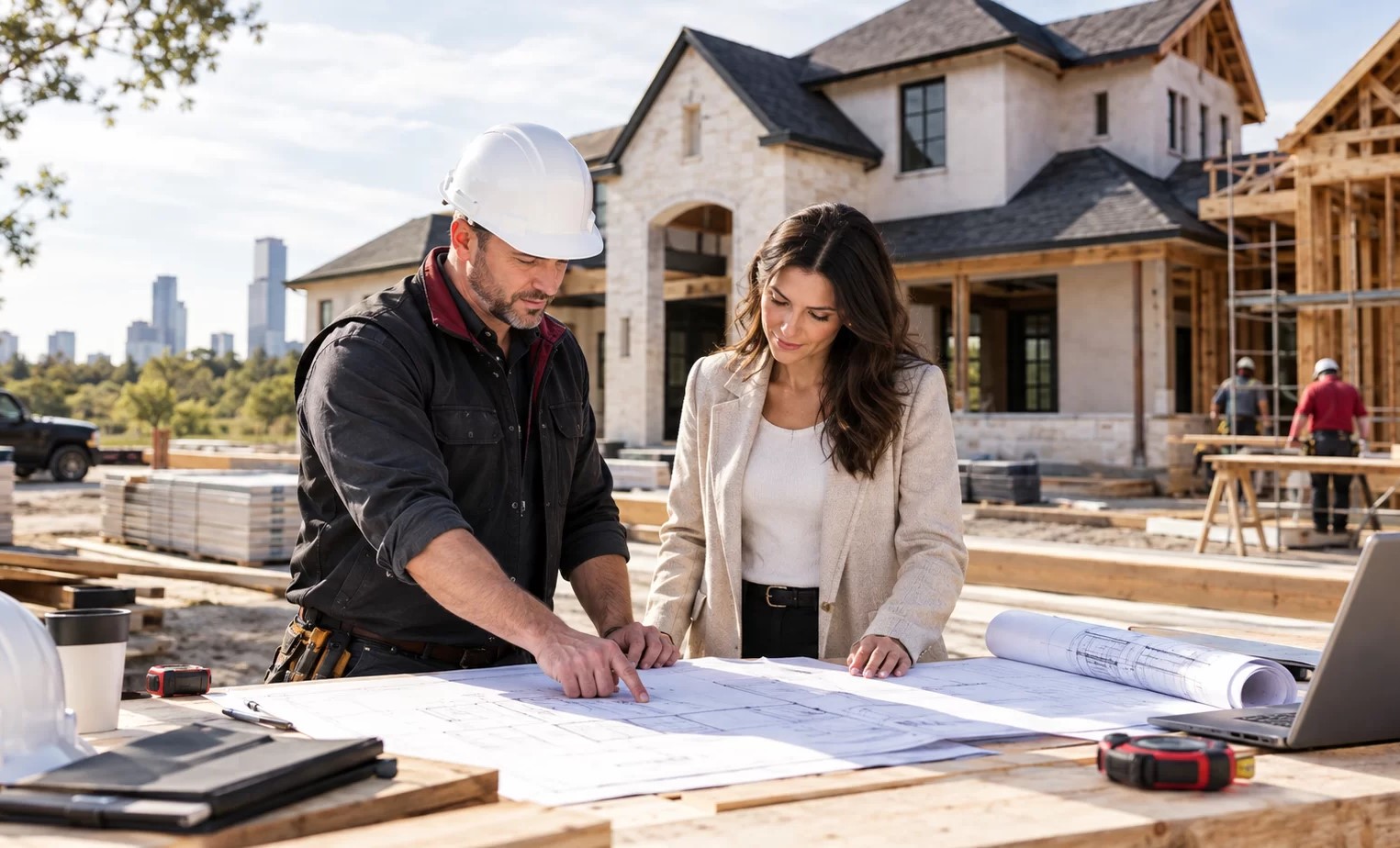
Insulation is often hidden after construction. That makes it important to discuss performance before the work is covered. Ask clear questions during design meetings and walkthroughs. A builder who understands building science should be able to explain the planned assemblies and the steps used to check workmanship.
Ask the builder:
- Which insulation materials are proposed for the attic, walls, foundation and floors?
- How will the air barrier remain continuous at windows and doors and at wall-to-roof connections?
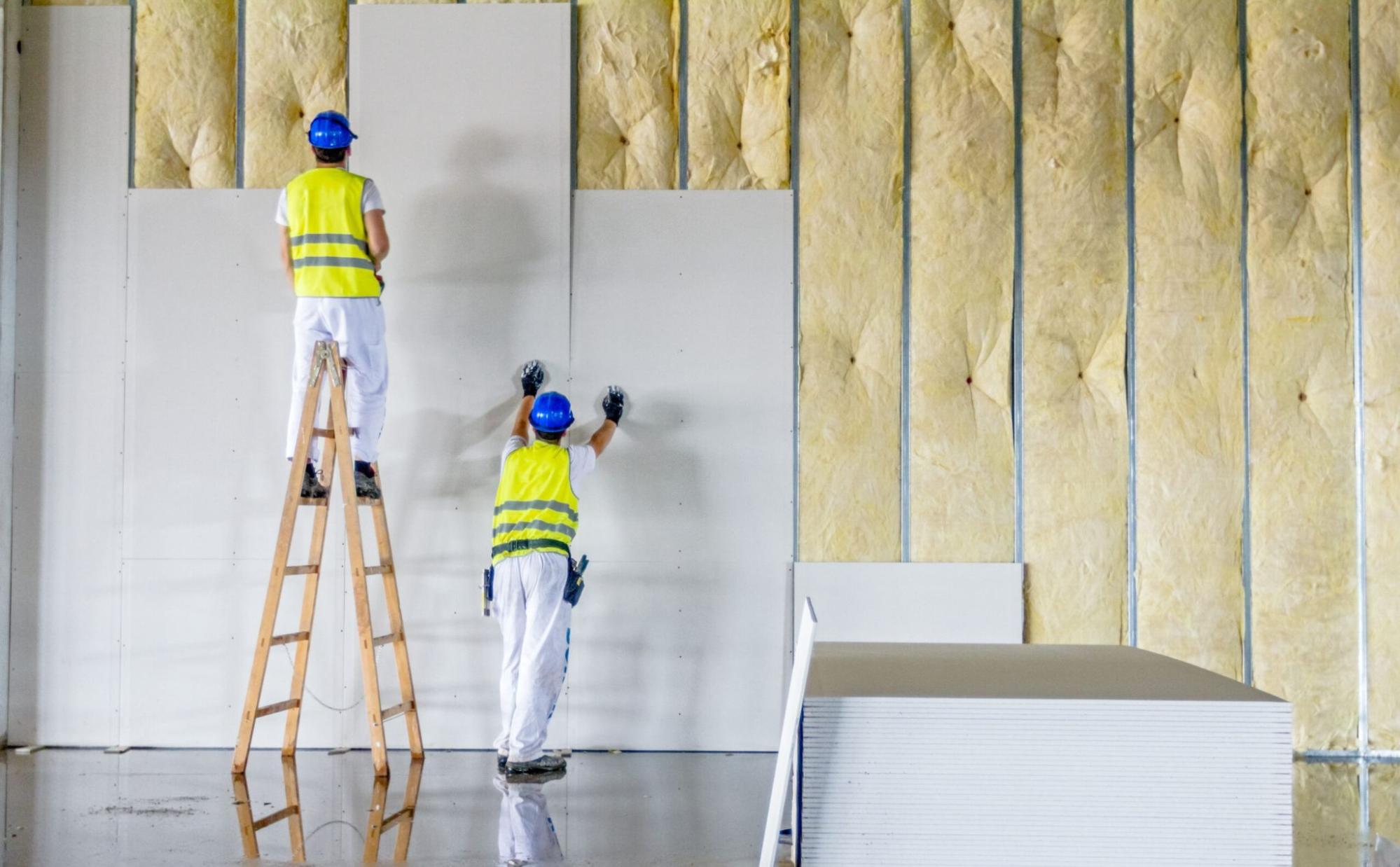
- Will insulation be inspected before drywall installation?
- Is a blower-door test or other air-leakage verification planned?
- How will the home receive fresh air after air sealing?
- How will the design prevent water intrusion and moisture buildup?
- Which energy code applies to the permit and how will compliance be documented?
New Jersey's energy requirements can change as the state adopts updated construction codes. The New Jersey Department of Community Affairs lists the 2024 International Energy Conservation Code for low-rise residential buildings as part of the codes effective August 17, 2026. Homeowners should confirm the requirements that apply to their permit and project with the local construction office and design professionals.
Final Thoughts: Build a More Sustainable Morris County Home with Prawdzik Properties
A sustainable new home starts with decisions that improve performance for years to come. Better insulation and thoughtful air sealing help create a building envelope that reduces drafts and supports steady indoor comfort. When these features are coordinated with moisture control and ventilation, they can also reduce unnecessary energy use while protecting the home.
For Morris County buyers, it is worth discussing these details before construction begins. Ask how each part of the building envelope will be insulated and sealed. Review the proposed materials and understand how the finished work will be checked. These conversations can help turn sustainability goals into practical construction choices.
Prawdzik Properties understands that a well-designed home should support the way people live while providing lasting value. Through careful planning and quality construction, the right insulation and air-sealing strategy can help create a home that feels comfortable across New Jersey's seasons and uses energy more responsibly. A strong building envelope is a foundation for better home performance.
Frequently Asked Questions
Q1. Is better insulation enough to make a new home energy efficient?
No. Insulation slows heat transfer but does not automatically stop air leaks. A strong design combines insulation with a continuous air barrier and suitable ventilation.
Q2. Where should air sealing be completed in a new home?
The work should cover the full building envelope. Common locations include attic openings and wall penetrations as well as foundation transitions and window or door frames.
Q3. Does air sealing make a home less healthy?
Not when it is planned correctly. A tighter home needs suitable ventilation so fresh air enters in a controlled way and indoor moisture can be removed.
Q4. Which insulation is best for a Morris County home?
The best option depends on the assembly and the home's design. A builder should compare thermal performance and moisture behavior before selecting materials for each area.
Q5. Can better insulation and air sealing reduce energy bills?
They can reduce heating and cooling demand. Actual savings depend on weather and energy prices as well as the home's size and equipment.