From Financing to Final Lockup: 3 Essential Things to Know Before Building Your First Home in Hudson County, New Jersey

This guide walks you through three critical things you need to know from financing to final lockup so you can move forward with confidence, avoid costly mistakes, and enjoy the journey of creating a home that is truly yours.
Building your first home is one of the most exciting milestones you can experience. It is also one of the most complex. Between financing, design decisions, permits, construction and final inspections, the process can feel overwhelming if you do not know what to expect.
If you are planning to build your first home in Hudson County, New Jersey, understanding the local market, regulations and construction realities is especially important. Hudson County is unique. Limited land availability, strict zoning rules, older infrastructure and dense neighborhoods mean building here is very different from building in suburban or rural areas.
1. Financing Your First Home Build in Hudson County
Understanding Construction Loans vs Traditional Mortgages

One of the first surprises for many first time home builders is that building a home is financed differently than buying an existing one. In most cases, you will need a construction loan instead of a standard mortgage.
A construction loan is short term financing that covers the cost of building your home. The lender releases funds in stages called draws as construction progresses. Once the home is completed, the loan is either converted into a traditional mortgage or paid off with a new mortgage.
In Hudson County, lenders are especially cautious because of higher land costs, tight lots and complex approvals. This makes preparation critical.
Budgeting for More Than Just Construction

When planning your budget, many first time builders focus only on the cost per square foot. In Hudson County, that is only part of the picture. You should also budget for:
- Land acquisition or existing property teardown
- Architectural and engineering fees
- Surveys and soil testing
- Permits and municipal fees
- Utility connections and upgrades
- Temporary housing during construction
- Contingency funds for unexpected costs
Because many Hudson County homes are built on narrow or irregular lots, excavation and foundation costs can be higher than expected. Older sewer and utility systems may also require upgrades to meet current codes.
Getting Pre Approved Before You Design

Before you fall in love with a design, get pre approved with a lender who understands construction financing in New Jersey. This will help you define realistic expectations and avoid redesigning later.
A local builder familiar with Hudson County can also help you align your design with your budget early, which saves time and stress down the line.
2. Navigating Design, Zoning and Permits in Hudson County
Why Local Zoning Knowledge Matters
Hudson County includes cities like Jersey City, Hoboken, Union City, Bayonne and North Bergen. Each municipality has its own zoning regulations, building codes and approval processes.
Zoning rules affect:
- Building height
- Setbacks from property lines
- Floor area ratio
- Parking requirements
- Use type such as single family or multi family
If your design does not comply, you may need variances which can significantly delay your project. Working with professionals who understand local zoning rules from the start can help you avoid this.
Designing for Urban Living
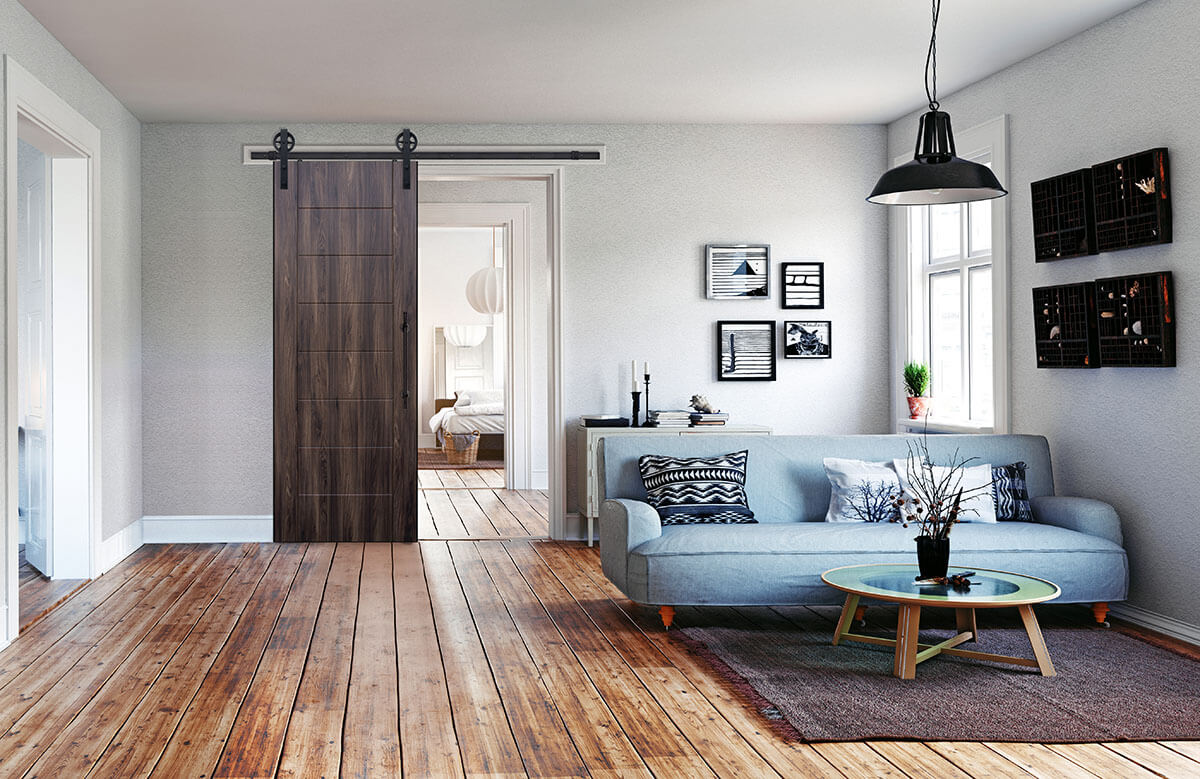
Building in Hudson County often means designing vertically rather than horizontally. Many first time builders are surprised by how much thought needs to go into layout, light and privacy when working with tight lots and neighboring buildings.
Smart design considerations include:
- Maximizing natural light with strategic window placement
- Using rooftop decks or terraces for outdoor space
- Soundproofing between floors and adjacent properties
- Efficient storage solutions
Designing with the neighborhood in mind also helps your home blend seamlessly into the community while still standing out for its quality and craftsmanship.
The Permit Process and Timelines
Permitting in Hudson County can take time. Depending on the municipality, approvals can range from a few weeks to several months. Historic districts, coastal flood zones and redevelopment areas may require additional reviews.
Being patient and organized is essential. Submitting complete and accurate plans the first time can prevent delays. A builder who regularly works with local building departments can guide you through the process more efficiently.
3. Construction, Inspections and the Final Lockup
What Happens During Construction
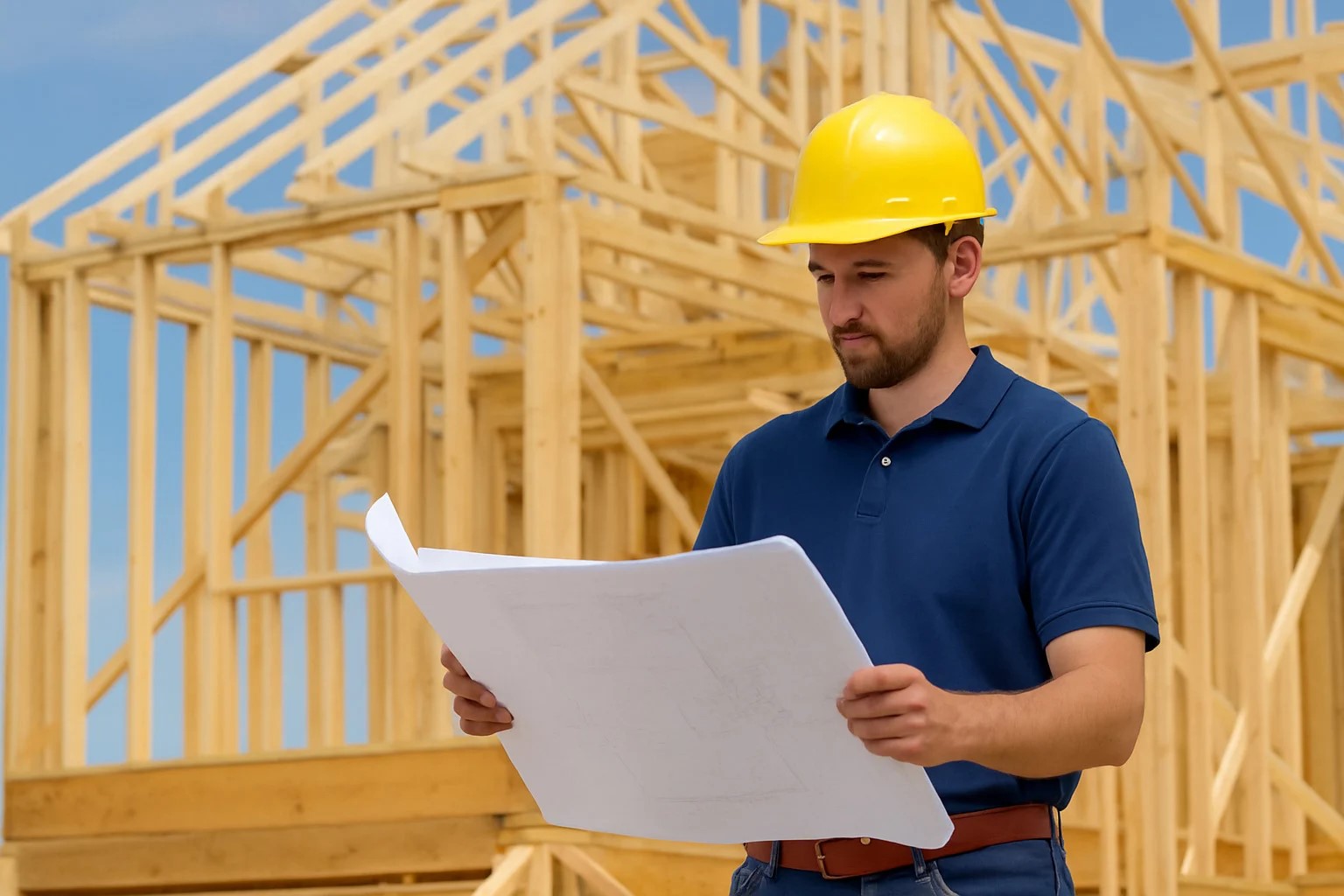
Once permits are approved and financing is in place, construction begins. This phase is exciting but it also requires communication and trust.
Typical construction stages include:
- Site preparation and foundation
- Framing and structural work
- Roofing, windows, and exterior finishes
- Mechanical systems like plumbing, electrical and HVAC
- Insulation and drywall
- Interior finishes such as flooring, cabinets and paint
In Hudson County, logistics matter. Limited street access, parking restrictions and delivery scheduling all play a role in keeping the project moving smoothly.
Inspections at Every Stage
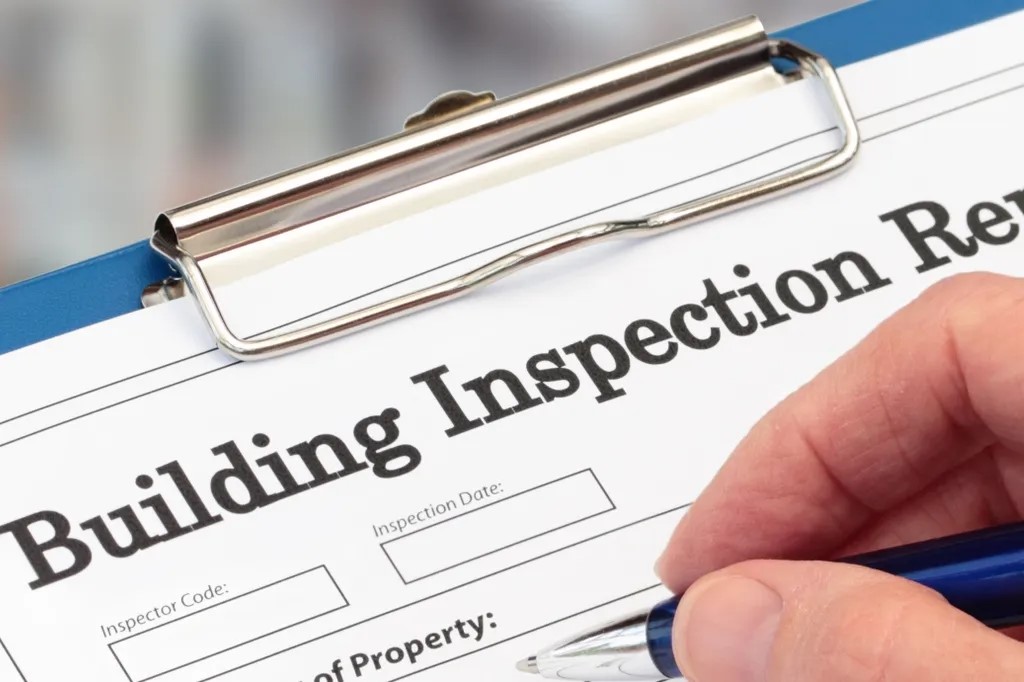
Your home will go through multiple inspections during construction. These inspections ensure that work meets local building codes and safety standards.
Common inspections include:
- Foundation inspection
- Framing inspection
- Electrical, plumbing and mechanical inspections
- Insulation inspection
- Final building inspection
Passing inspections is essential before moving to the next phase. A qualified builder ensures that work is done correctly the first time, reducing the risk of failed inspections and delays.
Understanding the Final Lockup

The final lockup is the moment when your home is officially complete, secured and ready for occupancy. This includes:
- Final inspection approval
- Certificate of Occupancy from the municipality
- Installation of locks and security features
- Utility connections fully activated
Before closing out your construction loan, you will typically do a final walkthrough. This is your opportunity to identify any punch list items such as minor touch ups or adjustments that need to be completed.
Common Mistakes First Time Builders Should Avoid

Even with careful planning, first time builders can make mistakes. Being aware of common pitfalls can help you avoid them.
Some of the most frequent issues include:
- Underestimating total costs
- Skipping contingency funds
- Choosing a builder without local experience
- Making too many design changes during construction
- Not understanding the timeline realistically
In Hudson County, local experience is especially important because of zoning complexity, older infrastructure and tight building sites.
Why Building in Hudson County Is Worth It
Despite the challenges, building your first home in Hudson County offers incredible rewards. You get a home designed for your lifestyle, built with modern materials and energy efficient systems and located in one of the most vibrant regions in New Jersey.
With close proximity to New York City, strong property values and diverse neighborhoods, Hudson County continues to attract homeowners who want both convenience and community.
A thoughtfully planned new construction home can also mean lower maintenance costs and better long term value compared to older properties.
Final Thoughts
Building your first home is a journey that requires patience, planning and the right team by your side. From securing the right financing to navigating Hudson County zoning rules and reaching the final lockup, understanding the process makes all the difference.
Working with professionals who know the local market, construction standards and approval process can turn a complex experience into a smooth and rewarding one. If you are considering building in Hudson County, partnering with a trusted local builder like Prawdzik Properties can help ensure your vision is executed with clarity, quality and confidence.
Your first home should be more than a structure. It should be a place built for your future.