Floor Plan Symbols Explained: A Comprehensive Guide to Reading House Plans in Essex County New Jersey
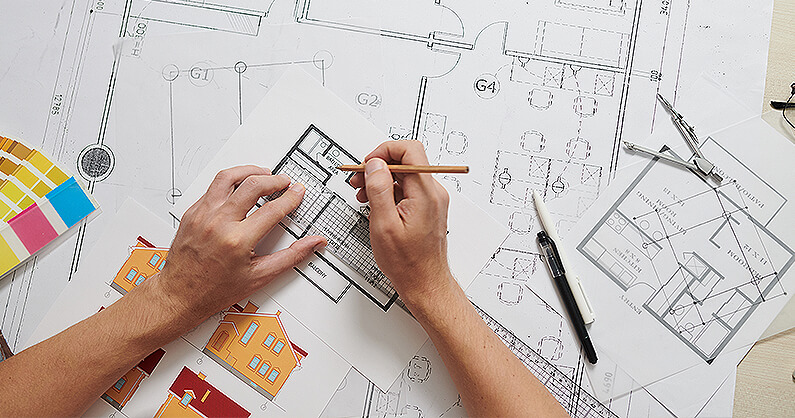
Understanding house plans is one of the most important steps when building or renovating a home. For homeowners in Essex County New Jersey, where architectural styles range from classic Colonials in Montclair to modern custom homes in Livingston and West Orange, being able to read floor plan symbols can save time, money and confusion. Floor plans are the visual language of construction. They show how a home is laid out, how spaces connect and how systems like plumbing and electrical are integrated.
This comprehensive guide breaks down the most common floor plan symbols and explains how to read them with confidence. Whether you are planning a new build, reviewing renovation drawings or working with an architect or builder in Essex County, this article will help you understand what you are seeing on paper before construction begins.
Why Floor Plan Symbols Matter for Essex County Homeowners
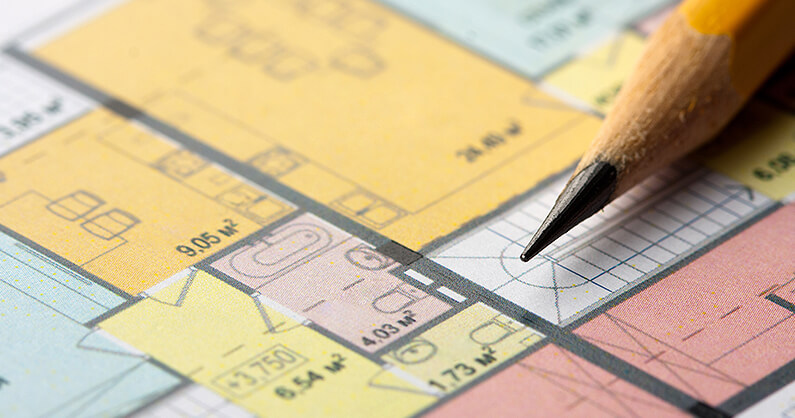
Essex County has a diverse housing market. Older homes in areas like South Orange and Maplewood often require renovations or additions while towns such as Short Hills and Millburn see a high demand for custom new construction. In both cases, floor plans are central to the process.
Floor plan symbols provide clarity. They communicate details that words alone cannot explain. When you understand these symbols, you can spot potential layout issues, ask better questions and ensure the final result matches your expectations. This is especially important in New Jersey, where zoning rules, lot sizes and building codes can impact design decisions.
The Basics of Reading a Floor Plan
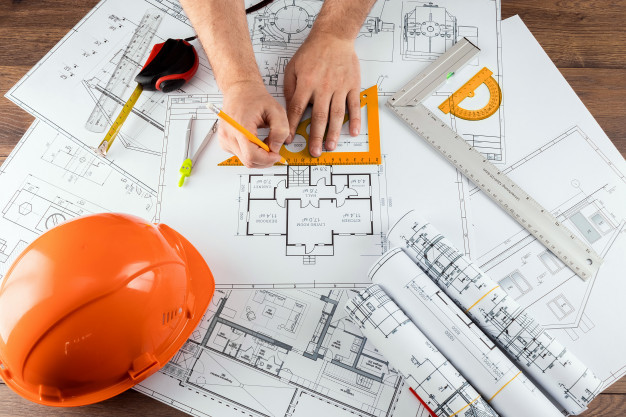
A floor plan is a scaled drawing viewed from above. It shows walls, doors, windows, fixtures and room dimensions. Before diving into specific symbols, it helps to understand a few basics.
Scale is critical. Most residential plans use a scale such as one quarter inch equals one foot. This allows you to estimate room sizes and distances. Orientation is also important. Look for the north arrow to understand how the home is positioned on the lot. This can influence sunlight, energy efficiency and curb appeal which are all major considerations for Essex County homeowners.
Wall Symbols and What They Mean
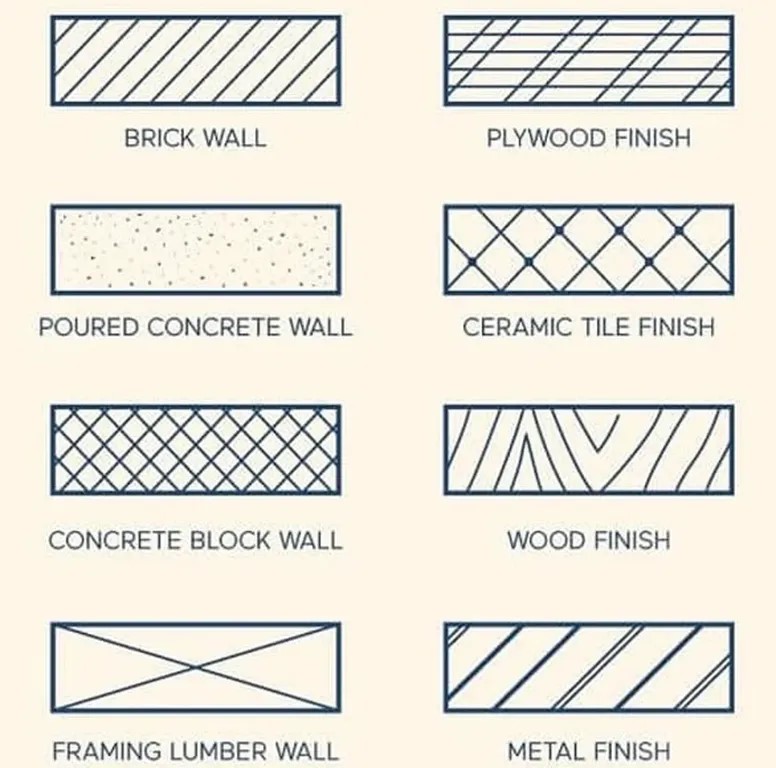
Walls are one of the first things you notice on a floor plan. They define spaces and determine how rooms flow together.
Exterior walls are usually drawn thicker than interior walls. This indicates structural importance and insulation. In Essex County, where seasonal temperature changes are significant, exterior wall thickness often reflects energy efficiency requirements.
Interior walls are thinner and divide rooms. Some plans may show dashed lines for walls above or below the current floor, which is common in multi story homes in towns like Verona or Cedar Grove.
Load bearing walls may be labeled or shown with additional markings. Understanding these is essential if you are considering future renovations.
Door Symbols Explained
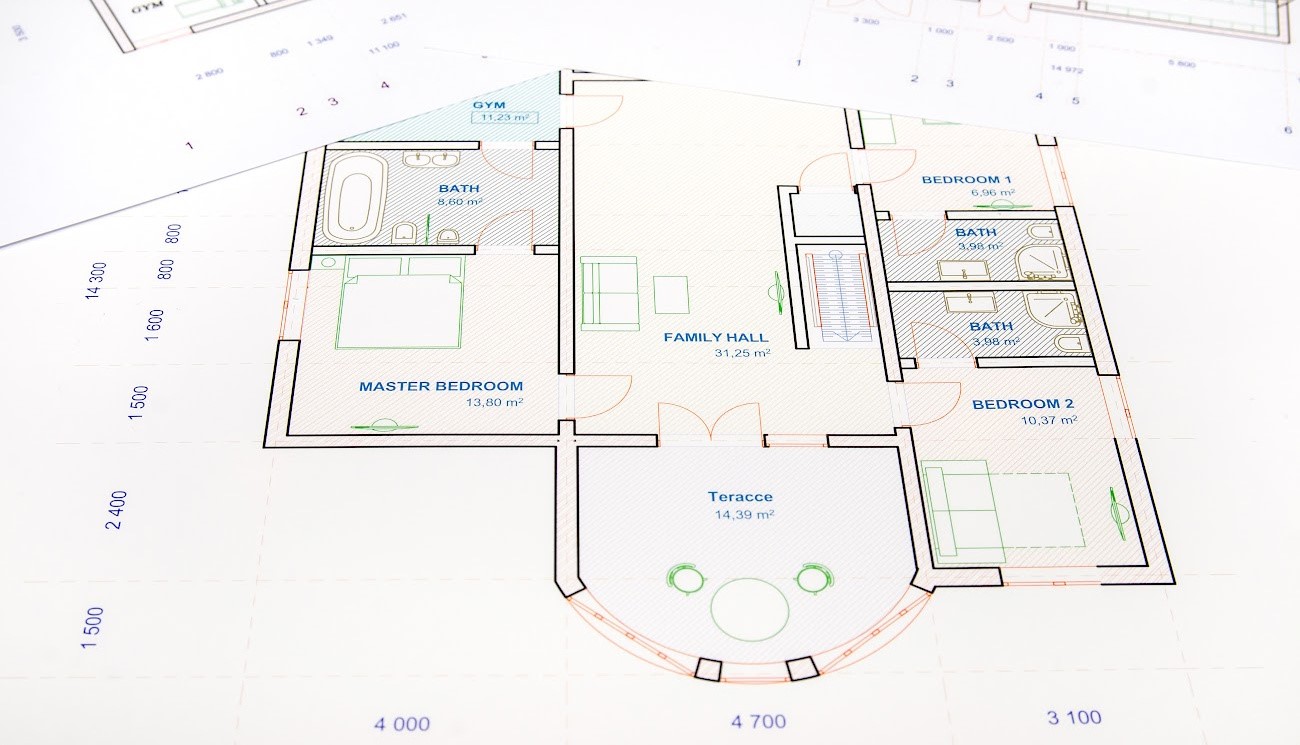
Door symbols show how people move through the home. They also impact furniture placement and accessibility.
A standard hinged door is represented by a straight line with an arc that shows the direction the door swings. This arc is important. In smaller Essex County homes or older layouts, door swing direction can affect how usable a room feels.
Sliding doors are often shown as two parallel lines with arrows indicating movement. These are common for patio access in backyard focused towns like Roseland or Fairfield.
Pocket doors are drawn as dashed lines within the wall. These are increasingly popular in modern renovations across Essex County because they save space.
Understanding Window Symbols
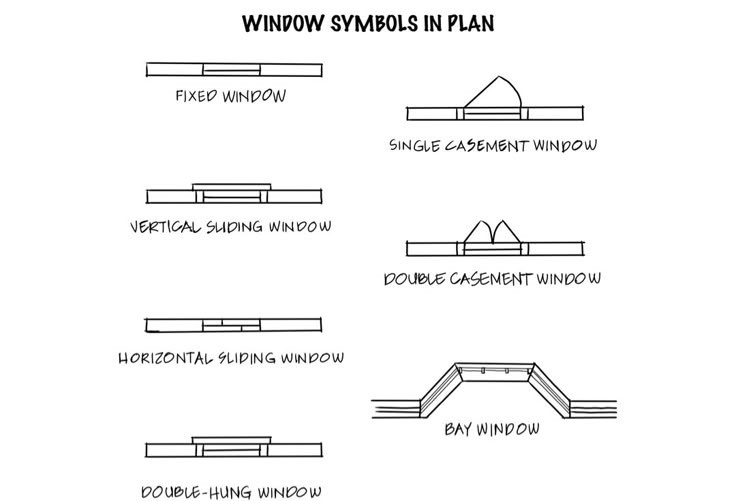
Windows are essential for natural light and ventilation. On floor plans, windows are typically shown as breaks in the wall with thin lines across the opening.
The size of the window opening gives you a sense of how much light a room will receive. In communities like Glen Ridge and Montclair, where architectural character matters, window placement is often a key design feature.
Some plans include window labels that specify type, size and operation. This level of detail helps homeowners understand both aesthetics and functionality.
Plumbing Symbols and Fixtures
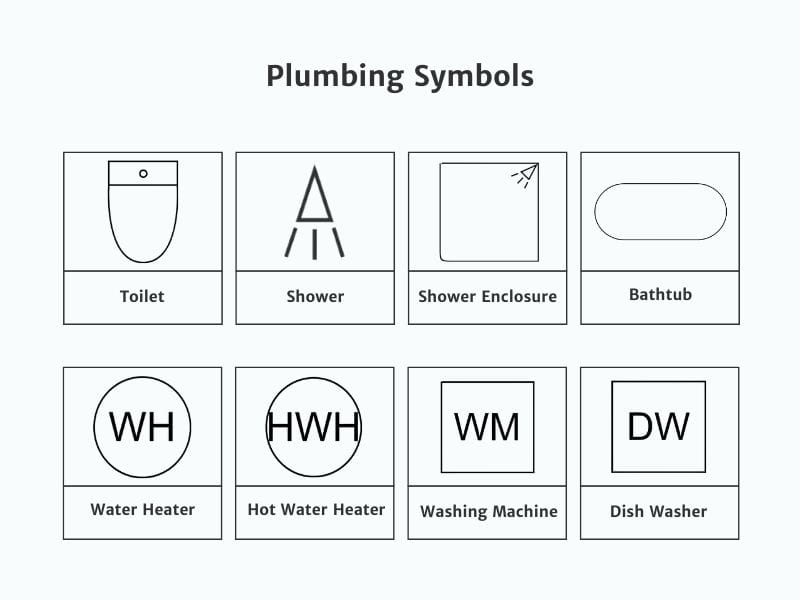
Plumbing symbols represent sinks, toilets, tubs, showers and appliances like dishwashers and washing machines. These symbols help you understand how bathrooms, kitchens and laundry rooms are arranged.
A toilet is usually drawn as an oval or rectangle shape. Sinks appear as circles or rectangles depending on style. Tubs and showers are shown with outlines and drain markers.
For Essex County homes, plumbing layout is especially important in renovations of older houses where existing systems may need upgrades to meet current codes.
Kitchen and Appliance Symbols
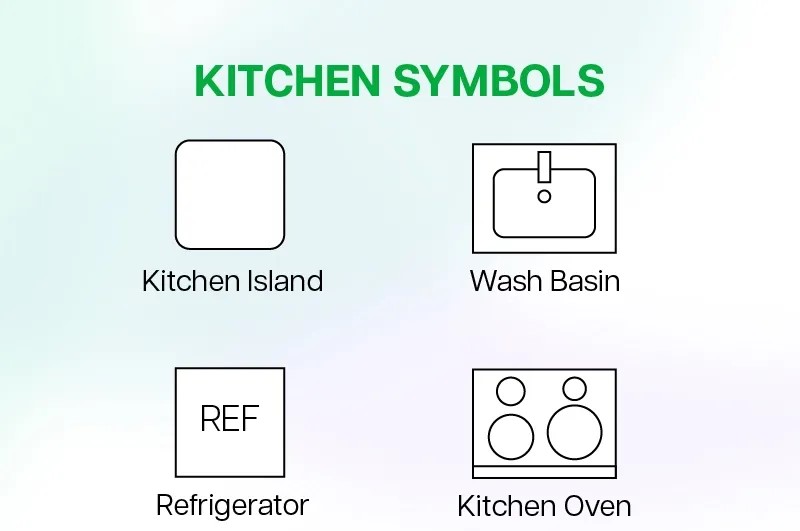
Kitchens are one of the most detailed areas on a floor plan. Appliance symbols show the location of ranges, refrigerators, ovens and dishwashers.
Cabinetry may be outlined to show storage and counter space. Islands are often highlighted because they affect traffic flow and seating.
In Essex County, where many homeowners prioritize high end kitchens, understanding these symbols helps ensure the layout supports both daily living and entertaining.
Electrical Symbols and Lighting
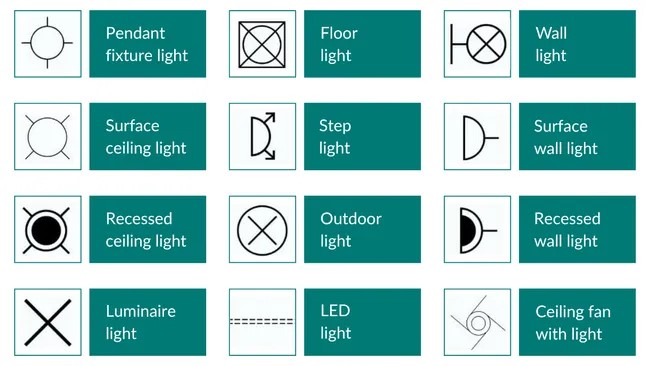
Electrical symbols can look intimidating but they are crucial for functionality and safety.
Common symbols include outlets, switches and light fixtures. Outlets are usually shown as small circles or symbols along walls. Switches are marked near doors. Light fixtures vary in appearance depending on type.
In towns like Short Hills and Millburn, where custom lighting plans are common, these symbols help homeowners visualize ambiance and ensure adequate lighting throughout the home.
Staircase Symbols and Levels
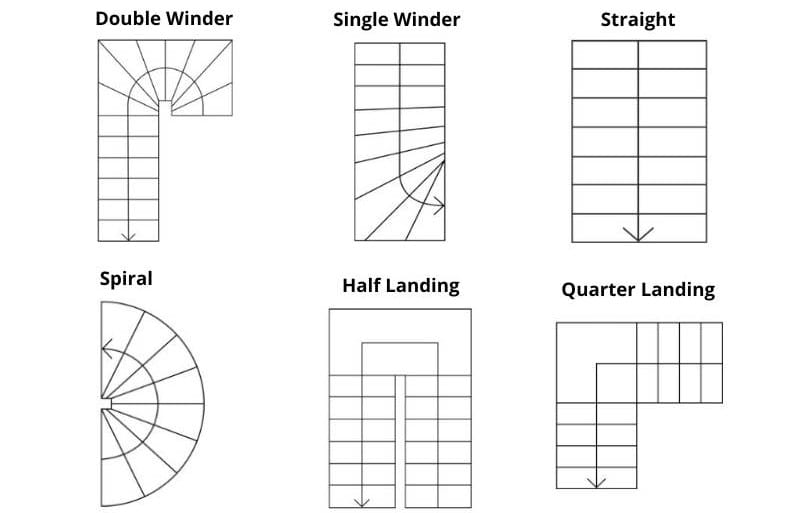
Stairs are shown with a series of parallel lines or rectangles indicating steps. An arrow usually shows the direction going up, often labeled with the word up.
For multi level homes common in Essex County, understanding stair symbols helps you see how floors connect and how space is used vertically.
Landings, railings and headroom may also be indicated which is important for safety and code compliance.
Built In Features and Furniture Symbols
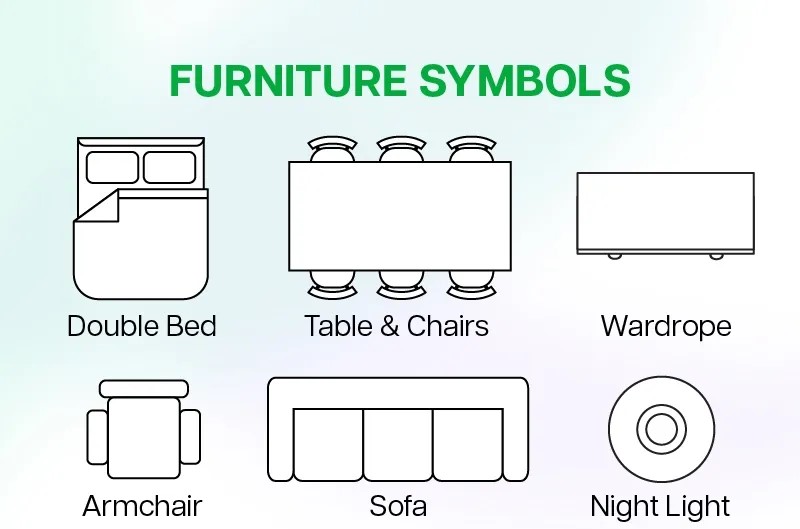
Some floor plans include furniture layouts to help visualize how rooms will function. Beds, sofas, tables and desks are drawn to scale.
Built in features like fireplaces, shelves and benches are also shown with specific symbols. Fireplaces are especially common in Essex County homes and are often a focal point in living rooms and family rooms.
While furniture symbols are not always final, they provide valuable context for room size and flow.
Outdoor and Site Related Symbols
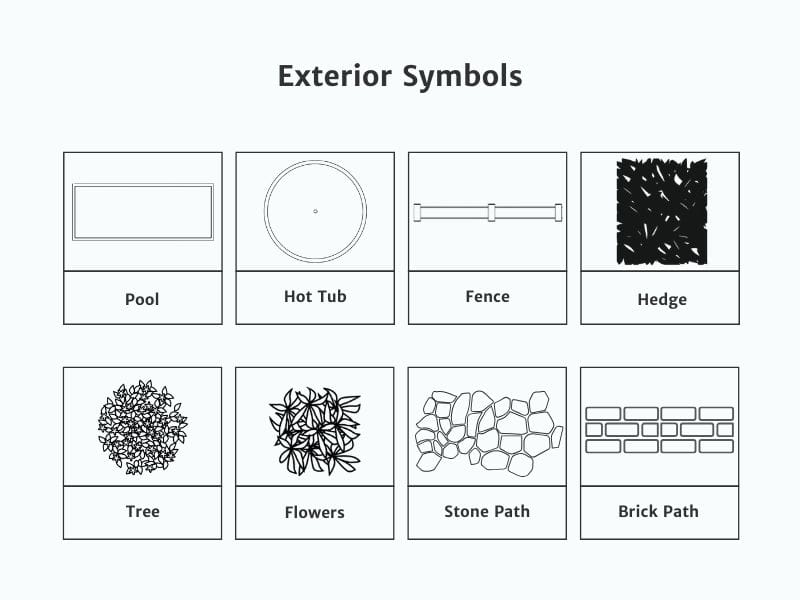
In addition to interior details, many floor plans include outdoor elements. Decks, patios, porches and garages are shown with distinct outlines.
Driveways, walkways and landscaping features may also appear on site plans. In Essex County, where lot size and setbacks vary by municipality, these symbols help ensure the home fits within local zoning requirements.
How to Use Floor Plans When Working with Professionals
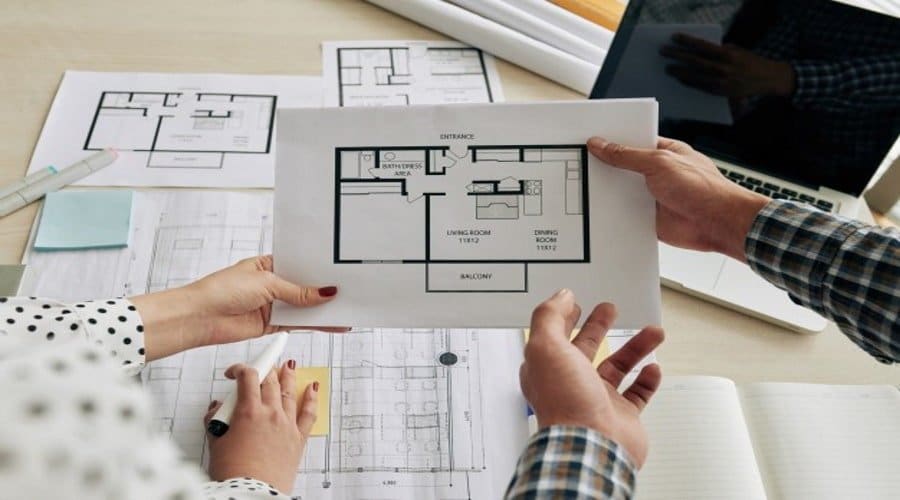
Understanding floor plan symbols allows you to communicate more effectively with architects, builders and designers. Instead of feeling overwhelmed, you can participate confidently in design discussions.
For Essex County homeowners, this knowledge is especially valuable when navigating permits, inspections and construction timelines. It also helps you compare proposals and avoid misunderstandings that can lead to costly changes later.
Common Mistakes Homeowners Make When Reading Floor Plans

One common mistake is focusing only on room size without considering flow. Symbols show how spaces connect, not just how big they are.
Another mistake is ignoring scale. A room that looks large on paper may feel smaller in reality if scale is misunderstood.
Finally, some homeowners overlook technical symbols related to systems and structure. These details matter, especially in renovations of older Essex County homes.
Final Thoughts
Learning to read floor plan symbols empowers homeowners to make informed decisions and feel confident throughout the building or renovation process. In a dynamic and design conscious area like Essex County New Jersey, this skill can make the difference between a stressful experience and a successful project.
When planning a new home or renovation, working with experienced professionals who understand both design and local requirements is essential. Companies like Prawdzik Properties recognize the importance of clear communication, thoughtful planning and quality execution. By combining your understanding of floor plan symbols with the right team, you can turn your vision into a home that truly fits your lifestyle and your community.