Designing a Seamless Home Addition That Feels Original: A Bergen County Homeowner’s Guide to Expanding with Style
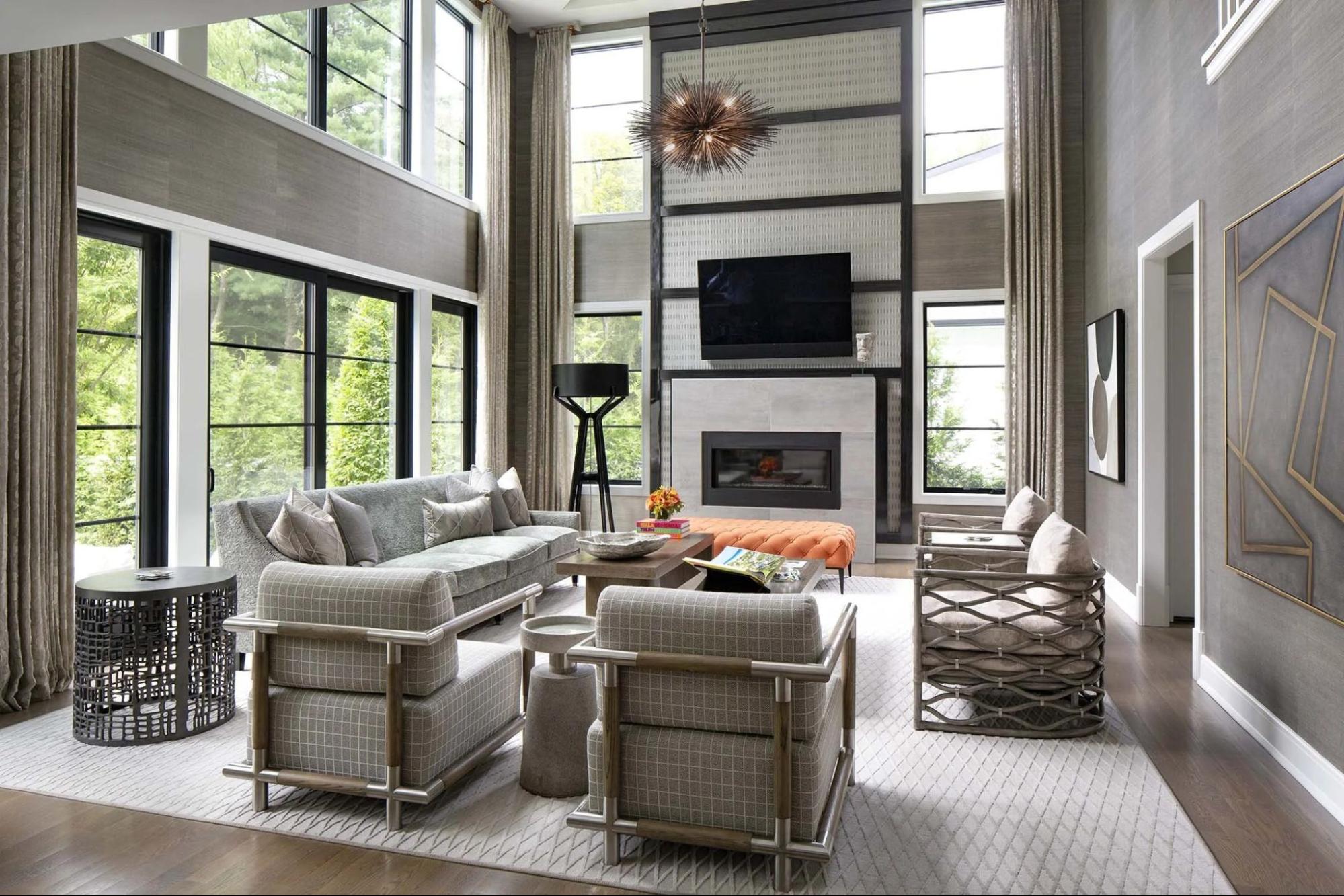
The Bergen County housing market continues to influence how homeowners approach long term property decisions. Many families appreciate the character of their neighborhoods, value convenient access to local amenities and enjoy the familiarity that comes with living in an established community. Rather than leaving these advantages behind, a growing number of homeowners are choosing to improve the homes they already own.
Home additions have become one of the most practical and rewarding ways to accomplish that goal.
Whether the need stems from a growing family, changing work habits or a desire for more functional living space, expanding a home can create meaningful improvements without the disruption of moving. Yet homeowners often share a common concern when discussing renovation plans. They want additional space but they do not want it to look added.
That distinction matters.
A poorly designed addition can feel disconnected from the original home, affecting both comfort and curb appeal. The roofline may appear awkward, materials may clash or the interior transition may feel abrupt. Instead of improving the home, the expansion may appear temporary or visually out of place.
The best home additions achieve the opposite result.
They feel as though they have always belonged. Guests walk through the property without immediately identifying where the original structure ends and the new construction begins. The architecture remains balanced, the layout feels natural and the home retains its identity while gaining functionality.
This approach is especially important throughout Bergen County, where homes often carry distinct architectural styles and neighborhoods maintain strong visual character. From traditional Colonials and Cape Cod properties to ranch homes and contemporary residences, Bergen County neighborhoods reward thoughtful design and careful planning.
Creating a seamless home addition that feels original requires more than construction expertise alone. It demands architectural awareness, design continuity and a clear understanding of how people use and experience their homes. When approached strategically, a home addition becomes more than added square footage. It becomes a natural evolution of the home itself.
Why More Bergen County Homeowners Are Expanding Instead of Relocating
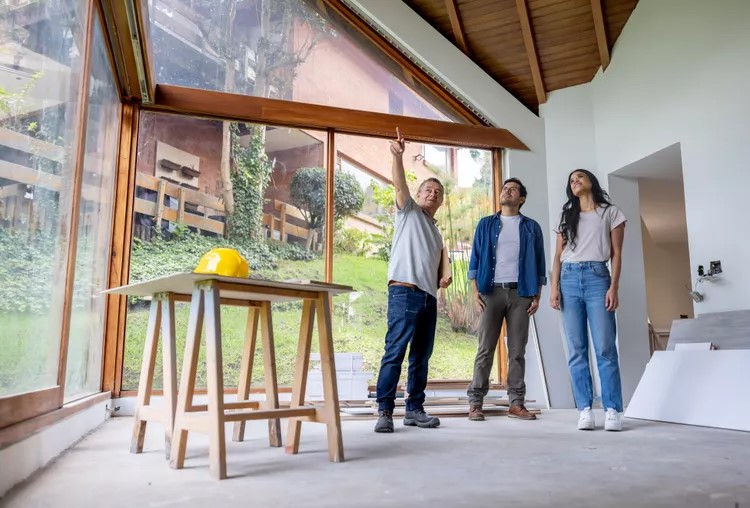
For decades, homeowners facing space limitations often viewed moving as the obvious solution. A larger family, new lifestyle needs or evolving priorities typically triggered a search for another property. Today, that perspective is shifting.
Many Bergen County homeowners have developed strong connections to their communities. Neighborhood familiarity, school systems, commuting convenience and emotional attachment all influence housing decisions. Moving may solve one challenge while introducing several new ones.
Inventory uncertainty, transaction costs and relocation stress frequently encourage homeowners to consider alternatives.
Home additions offer a compelling answer.
Instead of sacrificing a desirable location, homeowners can reshape existing properties to support changing needs. A growing household may require additional bedrooms or bathrooms. Remote professionals may need dedicated workspaces. Others may want larger kitchens, expanded entertaining areas or flexible rooms that accommodate multiple purposes.
The decision to expand often reflects more than practical necessity.
It also represents confidence in the home's long term value and potential.
Across Bergen County, many properties sit on lots capable of supporting carefully planned additions. Rather than treating limitations as reasons to leave, homeowners increasingly see opportunities to invest in comfort and future value through thoughtful renovation.
This shift has elevated expectations surrounding home additions.
Homeowners no longer want purely functional expansions. They want additions that feel refined, intentional and architecturally connected.
That expectation shapes every stage of design.
Understanding What Makes a Home Addition Feel Original
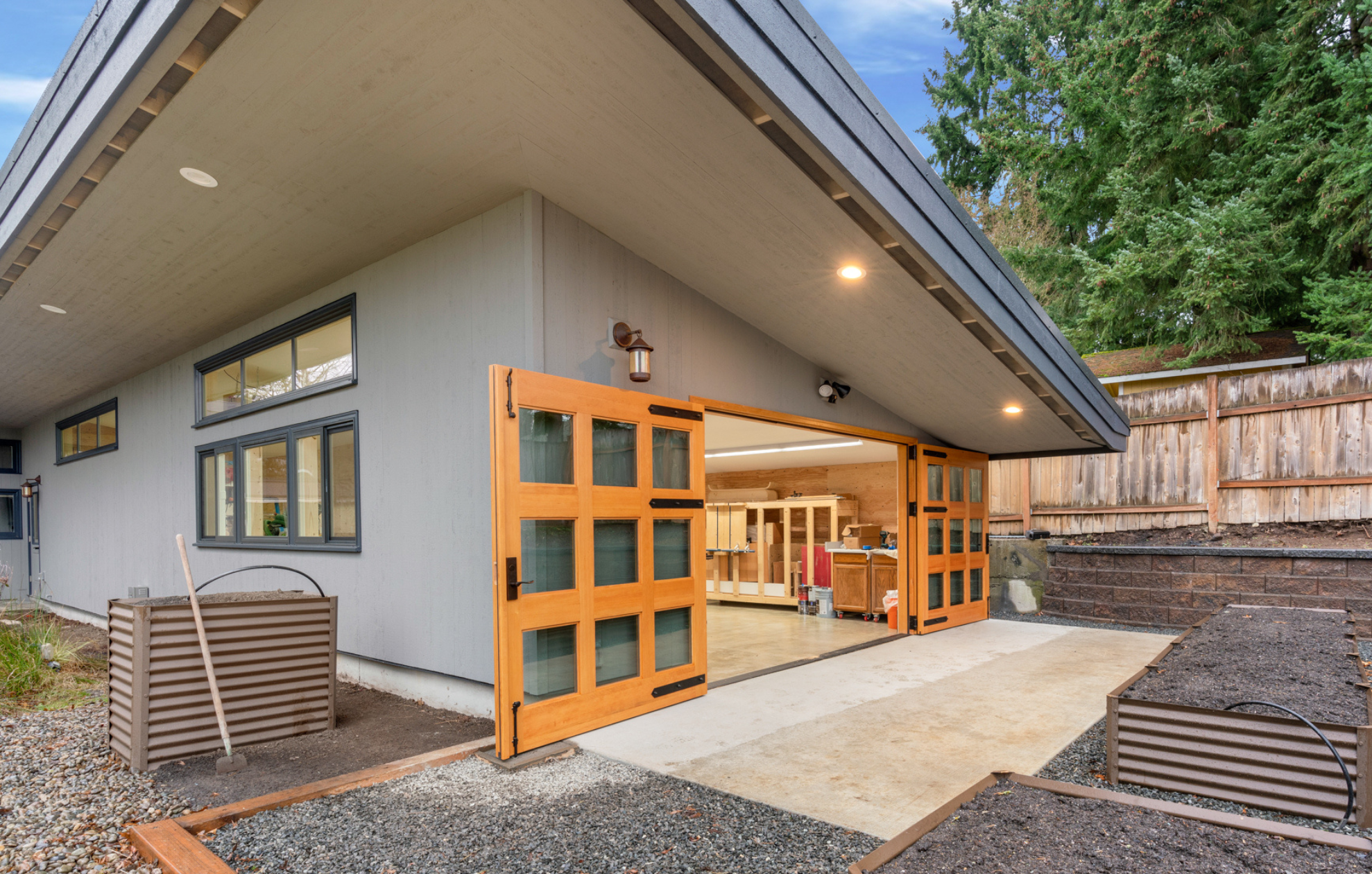
The phrase "seamless addition" is frequently used in remodeling conversations, yet its meaning extends beyond aesthetics.
A truly seamless home addition creates continuity.
It preserves the home's architectural identity while improving how the property functions and feels. Achieving this result requires attention to multiple layers of design.
Architecture provides the foundation.
Every home possesses visual language expressed through rooflines, proportions, window arrangements, trim details and exterior materials. When an addition respects these elements, continuity becomes possible.
Interior experience matters equally.
A beautiful exterior cannot compensate for awkward indoor transitions. If homeowners feel they are entering a separate building, the design loses cohesion.
Scale and proportion also influence authenticity.
Oversized additions often overpower original architecture and disrupt visual balance. Even large expansions should feel appropriately connected to the existing structure.
Perhaps most importantly, seamless additions support daily life naturally.
The new space should not merely exist. It should improve movement, comfort and functionality.
Successful additions therefore combine architectural sensitivity with practical planning.
They feel inevitable rather than imposed.
Designing Around the Home You Already Have
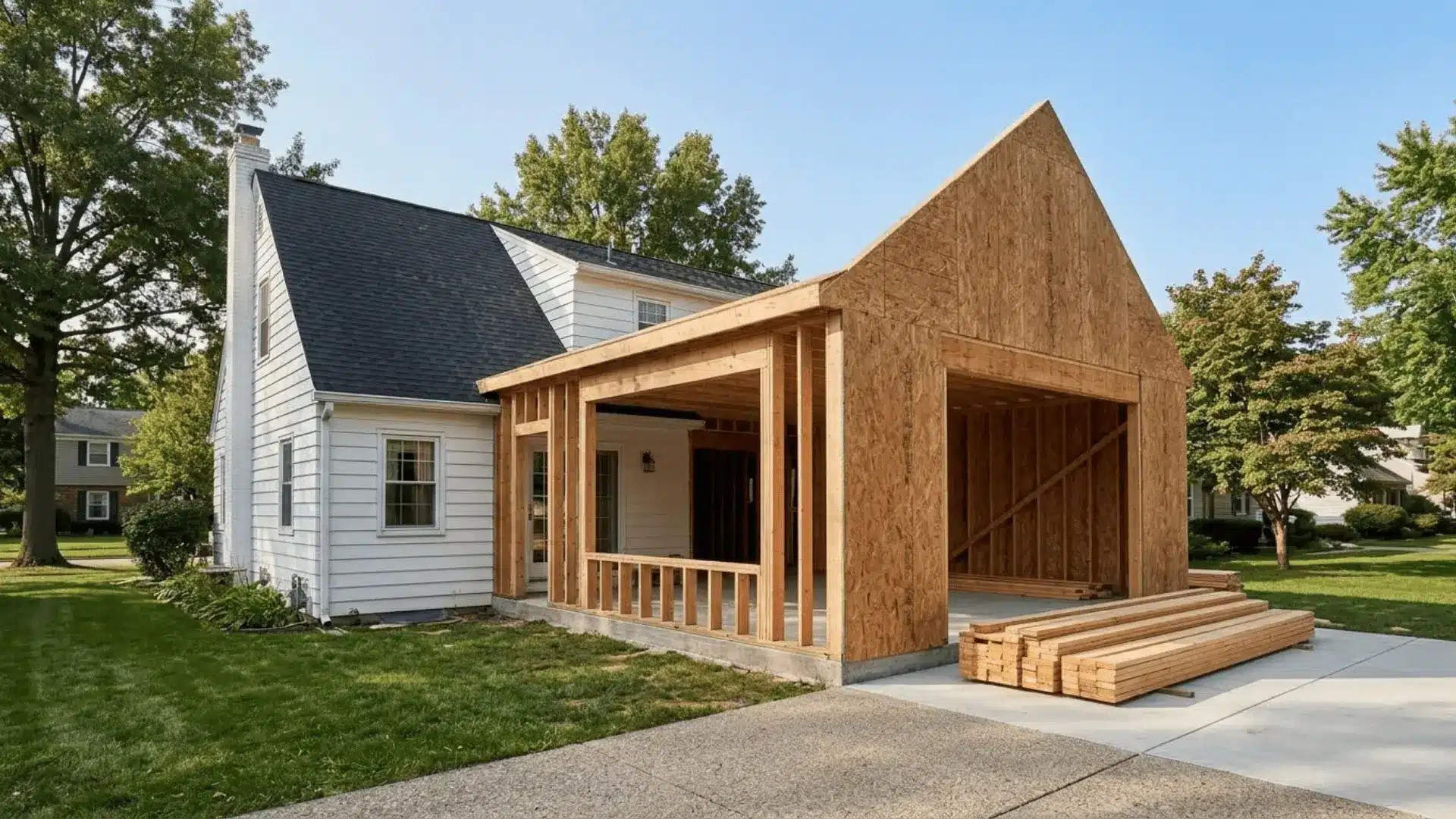
One of the most common renovation mistakes involves designing the addition before fully understanding the original home.
Strong design begins with observation.
Bergen County properties reflect diverse architectural traditions and each style carries distinct characteristics worth preserving. Colonial homes often emphasize symmetry and proportion. Cape Cod homes may feature modest massing and steep rooflines. Ranch properties prioritize horizontal flow while contemporary homes often rely on openness and simplified geometry.
These characteristics matter.
A home addition should not compete with them.
Instead, designers must study and interpret the home's existing identity before proposing new construction. Roof pitch, structural rhythm, window alignment and material transitions all influence how naturally an addition blends with the original structure.
This process frequently surprises homeowners.
Many assume seamless design depends solely on matching exterior materials or paint colors. While those details matter, successful integration begins at a deeper architectural level.
The goal is continuity of character.
Sometimes that means replicating existing features closely. Other times it involves designing complementary forms that preserve balance without resorting to imitation.
The most effective additions respect history while supporting modern living.
That balance requires restraint and thoughtful decision making.
The Importance of Exterior Harmony and Architectural Balance
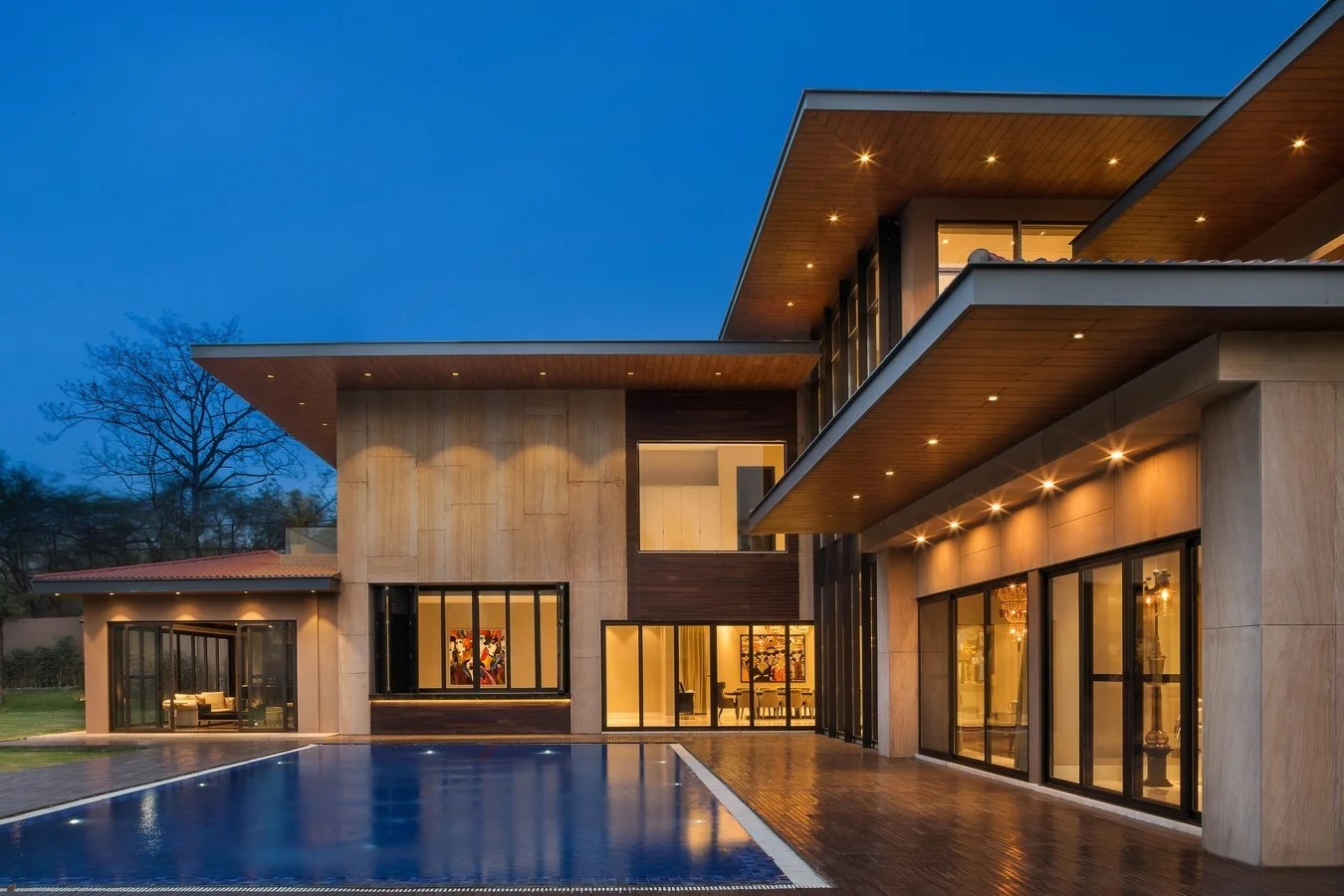
Exterior appearance creates the first impression of any home addition.
When additions fail visually, the reasons often become immediately apparent. Rooflines may appear disconnected. Window placement may feel inconsistent. Materials may contrast sharply with surrounding architecture.
These conflicts weaken cohesion.
Exterior harmony depends on balance rather than exact duplication.
Rooflines play a particularly important role.
Because roofs dominate visual mass, even minor inconsistencies can disrupt the home's appearance. Designers must carefully coordinate pitch, ridge height and structural relationship between old and new construction.
Material coordination deserves equal attention.
Many Bergen County homes feature combinations of siding, brick, stone and trim that contribute strongly to neighborhood character. While original products may not always remain available, compatible alternatives often produce excellent results.
Window design frequently reveals whether an addition was carefully planned.
Spacing, proportion, frame style and alignment all contribute to architectural rhythm. Mismatched windows can unintentionally expose the addition and weaken continuity.
Curb appeal therefore depends on careful integration.
The addition should strengthen the home's appearance rather than divide it visually.
When exterior harmony succeeds, the home feels complete.
Creating Interiors That Feel Connected and Natural
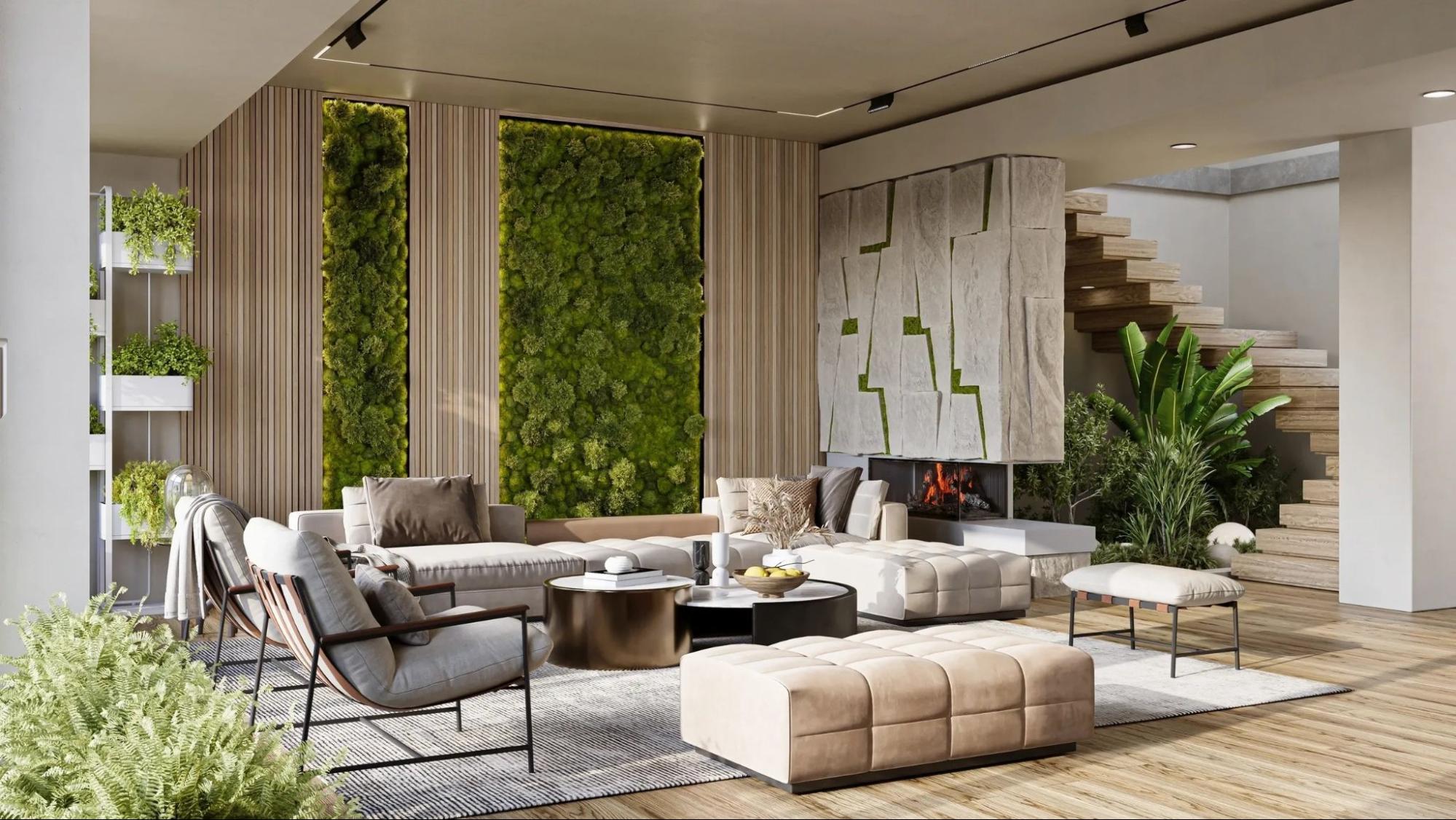
A seamless addition must function as beautifully as it looks.
Interior flow often determines whether homeowners ultimately feel satisfied with the renovation.
Poorly designed additions may create awkward circulation, confusing layouts or spaces that feel detached from the home's daily rhythm. These issues affect comfort more than homeowners initially anticipate.
Good design prioritizes movement.
Rooms should connect logically and support natural transitions. Sightlines should feel comfortable and intuitive. Floor levels, ceiling relationships and architectural detailing should reinforce continuity.
This becomes especially important as lifestyle expectations evolve.
Modern households frequently seek flexible spaces that support multiple uses. Kitchens have become gathering areas rather than isolated work zones. Home offices require privacy without sacrificing connection. Entertainment areas often blend indoor and outdoor living.
An addition should respond to these realities.
At the same time, openness alone does not guarantee success.
Some homeowners pursue expansive layouts only to discover they miss definition and privacy. Effective design balances openness with comfort.
The objective is not maximum square footage.
It is meaningful square footage that genuinely improves how the household lives.
That distinction separates thoughtful additions from merely larger homes.
Long Term Thinking Creates Better Additions
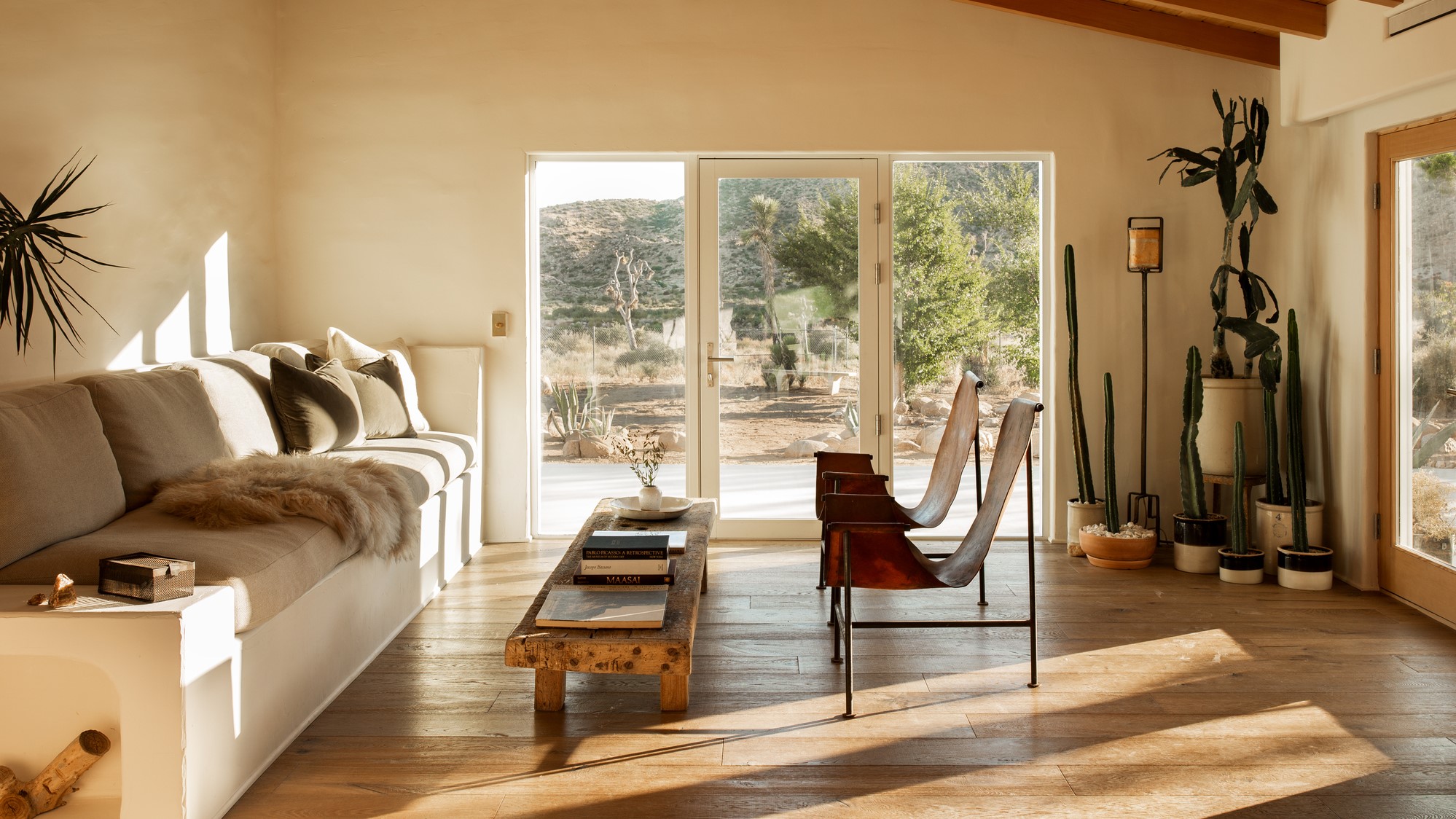
Home additions involve significant investment, making long term planning essential.
Many design decisions influence value well beyond construction.
Flexibility matters.
A room designed for one purpose today may serve another purpose tomorrow. Families evolve, routines change and housing needs shift over time.
Additions designed with adaptability often deliver stronger long term value.
Energy efficiency also deserves consideration.
Modern insulation, lighting strategies and window systems can improve comfort and reduce operational costs. Natural light planning contributes both emotionally and practically, helping spaces feel larger and more welcoming.
Permitting and zoning considerations further shape successful projects.
Bergen County municipalities maintain regulations affecting setbacks, height restrictions, and lot coverage. Early planning reduces delays and prevents costly redesign.
Most importantly, homeowners benefit from experienced guidance.
Architects, builders and project teams familiar with Bergen County construction patterns understand how to balance design vision with practical execution.
This collaboration protects both quality and investment.
Final Thoughts
Designing a seamless home addition that feels original involves far more than expanding a floor plan. It requires understanding architecture, respecting proportion and prioritizing how people experience their homes every day.
For Bergen County homeowners, thoughtful expansion creates the opportunity to gain space while preserving neighborhood connection and architectural character. The most successful additions never announce themselves. They quietly belong, blending old and new into one cohesive environment.
When design decisions align with both aesthetics and functionality, the result feels timeless rather than temporary.
At Prawdzik Properties, the focus remains on helping homeowners envision spaces that support comfort, beauty and long term value. A seamless home addition is not simply about building more space. It is about creating a home that continues to evolve naturally alongside the people who live there.