Custom Home vs Renovation in Union County NJ: How to Choose the Right Investment for Your Future
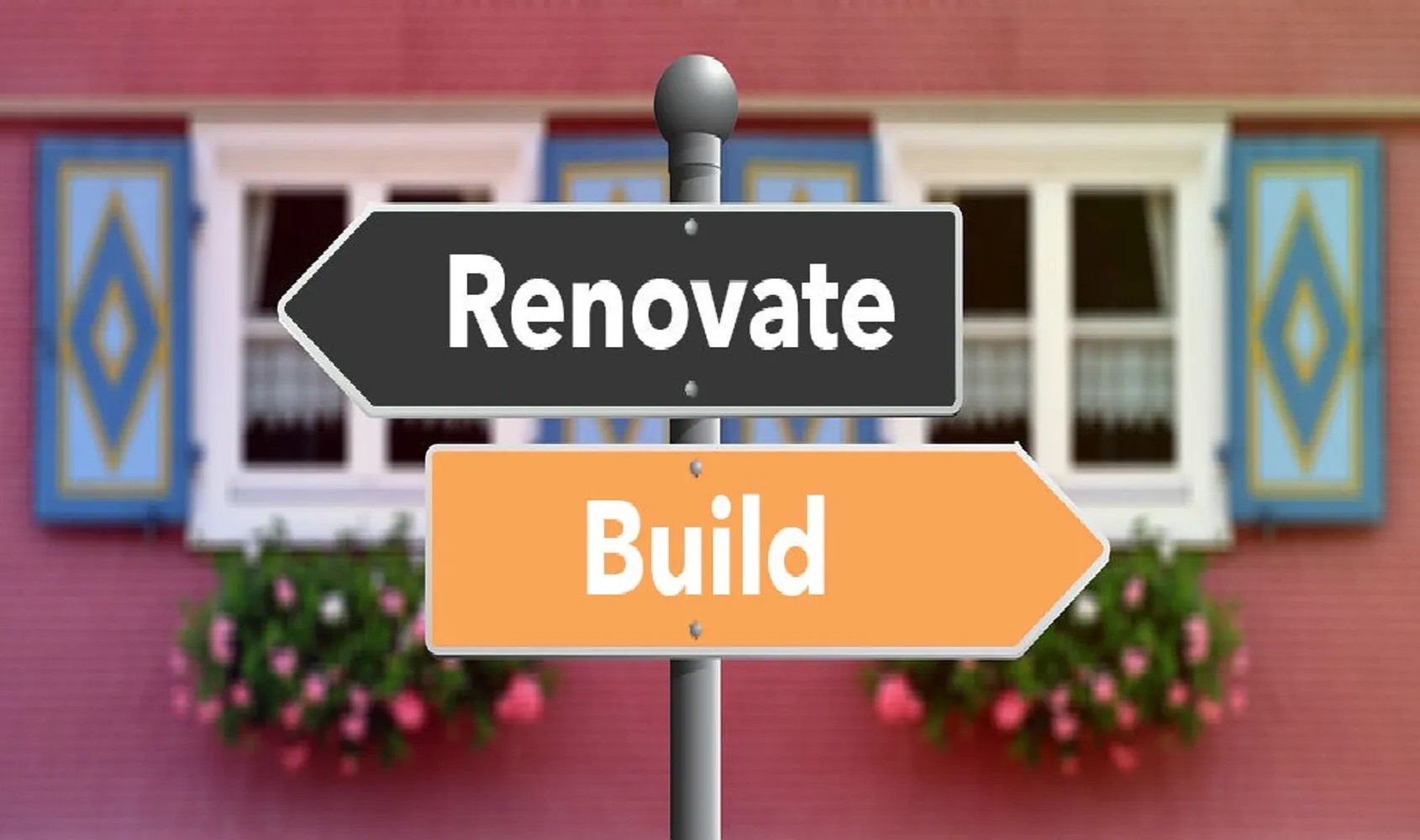
Across Union County, homeowners are rethinking what they want from their living spaces. Families need homes that support remote work. Growing households need additional room. Many buyers want modern layouts that older homes simply were not designed to provide.
As property values remain strong throughout communities such as Scotch Plains, Cranford, Westfield, Berkeley Heights and Mountainside, homeowners are often faced with a major decision. Should they build a custom home that reflects their exact vision, or should they purchase an existing property and renovate it?
Both paths can lead to an exceptional home. Both can increase long-term property value. The challenge is understanding which option makes the most sense for your goals.
The answer depends on your budget, timeline, lifestyle and the condition of the property involved. Understanding the advantages and tradeoffs of each approach can help you make a decision that benefits your family for years to come.
Why This Decision Matters More Than Ever in Union County

Union County offers many desirable neighborhoods with strong schools, convenient transportation access and established communities. The area attracts homeowners who want long-term value and a high quality of life.
At the same time, many homes in the county were built decades ago. While these properties often sit on attractive lots, they may feature floor plans that no longer match modern living preferences.
Families today often want more natural light, larger gathering areas, improved storage and flexible spaces that can adapt to changing needs. Some homeowners discover that renovation can provide these improvements. Others find that building new allows them to achieve their goals more effectively.
Because construction costs, property values and buyer expectations continue to evolve, choosing the right path has become an important financial and lifestyle decision.
The Benefits of Building a Custom Home
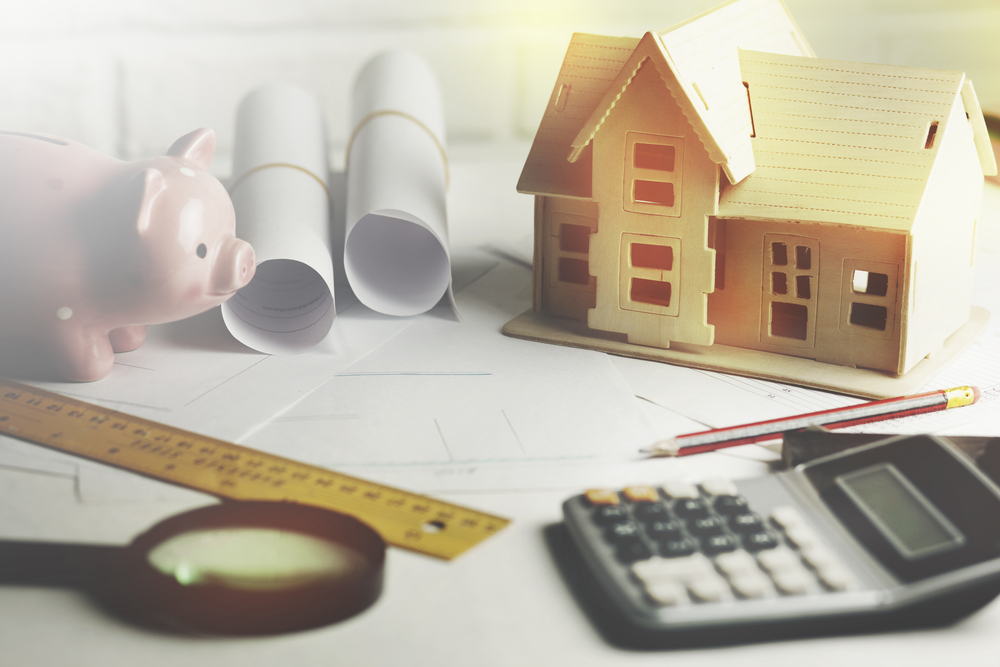
Building a custom home gives homeowners the opportunity to start with a blank canvas. Every detail can be designed around the way the family lives today and how they expect to live in the future.
One of the biggest advantages is flexibility. Instead of working around an outdated floor plan, homeowners can create spaces that fit their lifestyle from the beginning. A family that enjoys entertaining may prioritize an open kitchen and living area. Someone who works remotely may want a dedicated office away from household activity.
A custom home also allows homeowners to incorporate modern construction practices. New homes are typically built with updated insulation, energy-efficient windows, advanced heating and cooling systems and modern electrical infrastructure. These features can improve comfort while helping reduce long-term maintenance concerns.
Another advantage is predictability. While every construction project requires planning, new builds generally begin with a clearly defined scope. This often reduces the likelihood of major surprises that can emerge during renovation projects.
For homeowners who plan to stay in the property for many years, a custom home can provide a level of personalization that is difficult to achieve through remodeling alone.
The Advantages of Renovating an Existing Property
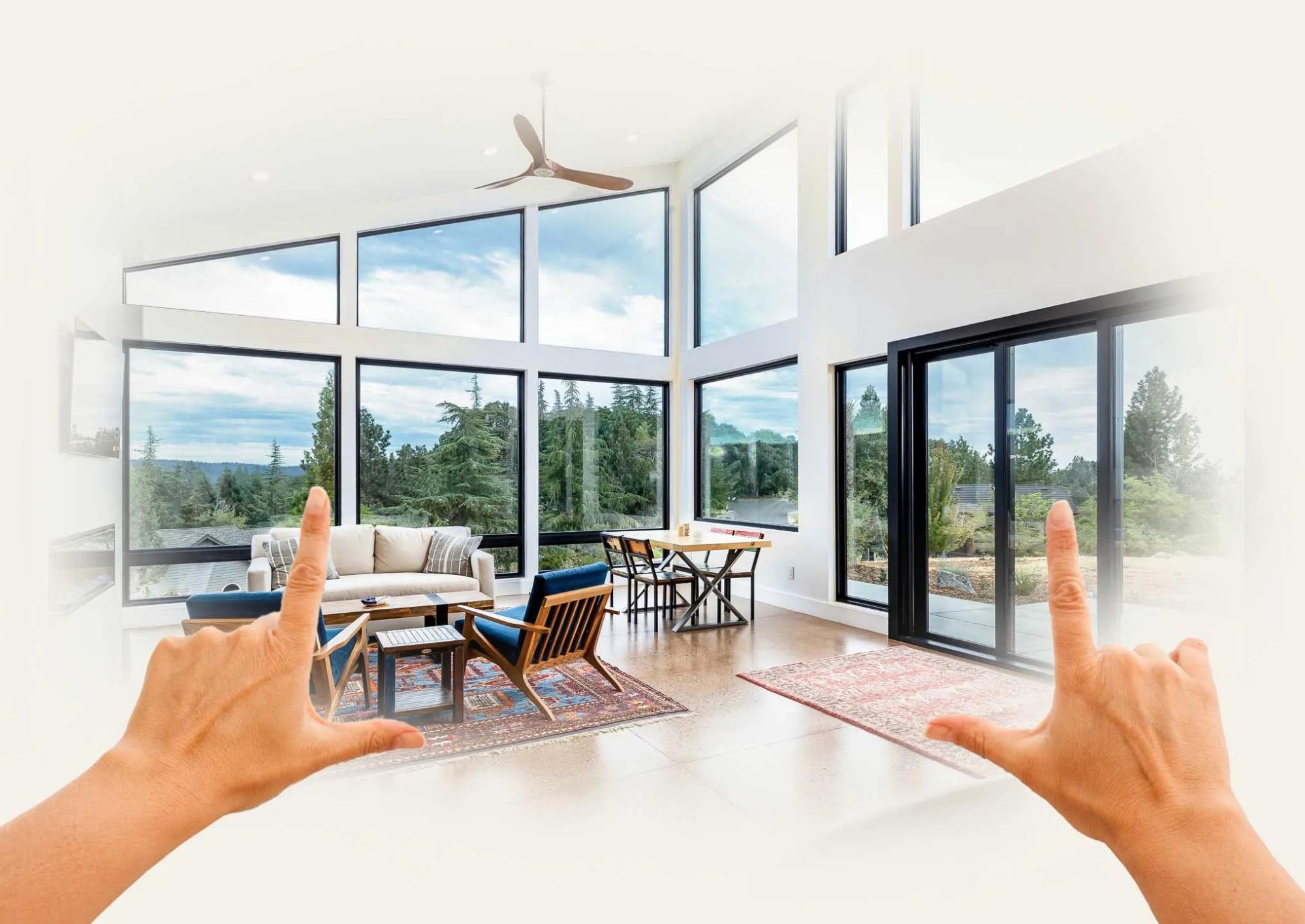
Renovation remains a popular choice throughout Union County because it allows homeowners to improve a property while maintaining its existing location and character.
Many established neighborhoods feature mature landscaping and strong community ties that homeowners do not want to leave behind. Renovating allows families to remain in the area they love while upgrading the home itself.
In some situations, renovation can also be more affordable than new construction. If the structure is in good condition and the desired improvements are relatively straightforward, homeowners may be able to achieve impressive results without starting from scratch.
Another benefit is preserving architectural charm. Many older homes contain design elements that contribute to their character. Thoughtful renovation can modernize functionality while retaining the qualities that make the property unique.
For buyers who find a home in a highly desirable location, renovation may provide an opportunity to create a more personalized space without searching for a separate building lot.
Understanding the Real Cost Difference

Many homeowners begin the decision-making process by asking a simple question. Which option costs less?
The answer is not always obvious.
Renovation projects can appear less expensive at first. However, costs can rise quickly when hidden issues are discovered. An older home may require plumbing upgrades, electrical improvements, structural repairs or foundation work that was not apparent during the initial evaluation.
As work progresses, these findings can increase both expenses and project timelines.
Custom home construction typically involves a larger upfront investment. Land acquisition, architectural design, permits, site preparation and construction all contribute to the final cost.
However, homeowners should also consider what they receive in return. A new home includes brand-new systems and materials throughout the property. This can reduce maintenance expenses during the early years of ownership.
The best approach is to evaluate each project individually. A detailed financial analysis often provides a clearer picture than broad assumptions about renovation or new construction costs.
Comparing Project Timelines
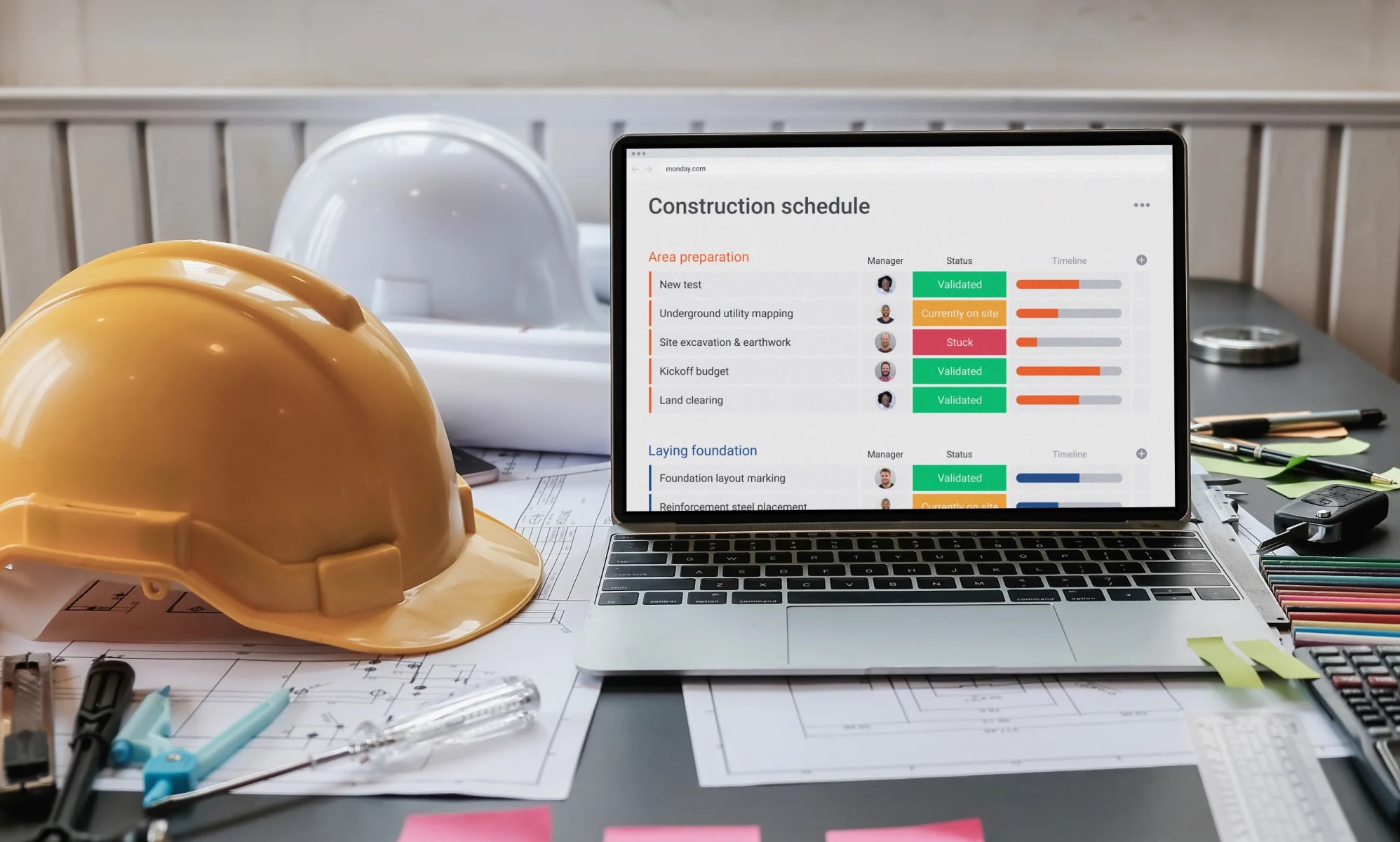
Time is another factor that deserves careful consideration.
Many people assume renovation projects are always faster because the structure already exists. While that can sometimes be true, major renovations often uncover unexpected challenges once construction begins.
A contractor may discover outdated wiring hidden behind walls. Structural concerns may require additional engineering review. Permit modifications may become necessary as the scope evolves.
These situations can extend timelines significantly.
Building a custom home generally requires more planning at the beginning. Design development, municipal approvals and site preparation all take time. Once construction begins, however, the process often follows a more predictable sequence.
Homeowners should think about how quickly they need the project completed and how much flexibility they have during construction. This can help determine which option aligns better with their circumstances.
How Lifestyle Goals Should Influence the Choice
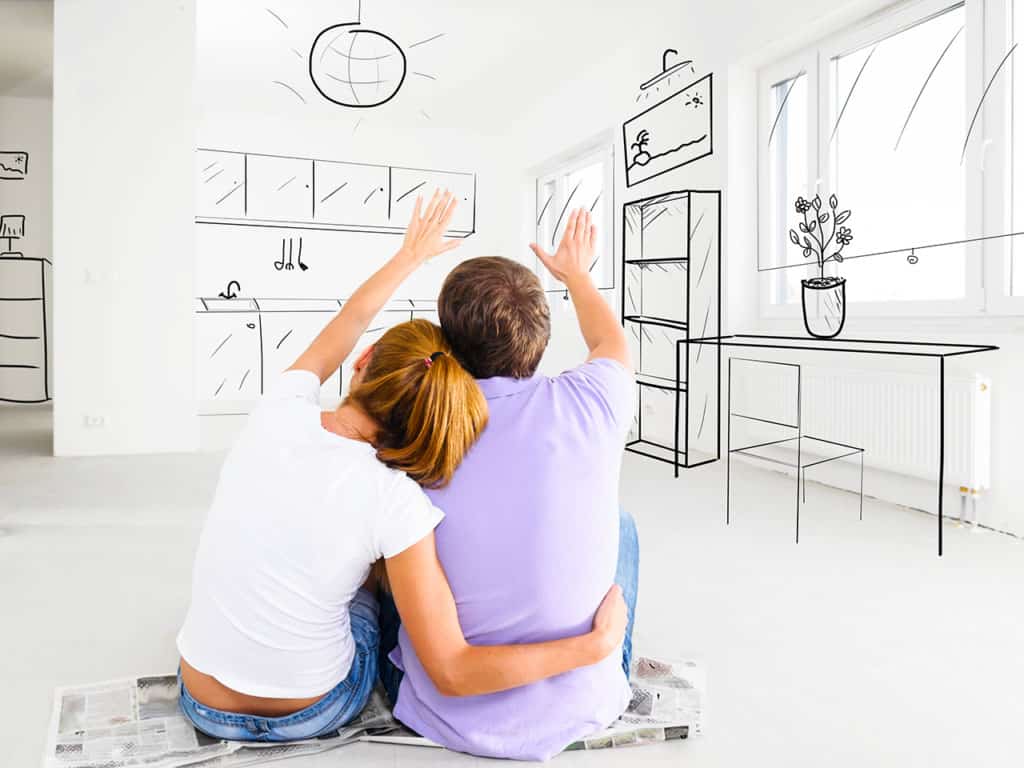
The right decision is not based solely on cost or timeline. Lifestyle goals often play an even bigger role.
Some homeowners dream of creating a home that reflects their exact vision. They want complete control over room sizes, layout, finishes and functionality. In these cases, a custom home may provide the best opportunity to achieve that vision.
Other families already love where they live. Their children attend local schools. They know their neighbors. They simply need additional space or updated features. Renovation may allow them to improve their home without disrupting their daily life.
Long-term plans should also be considered. A homeowner planning to remain in the property for twenty years may approach the decision differently than someone who expects to move within five years.
When evaluating options, it is important to focus on how the home will support your family's future rather than only addressing immediate needs.
The Role of Lot Availability in Union County
One factor that often influences custom home decisions is land availability.
Unlike rapidly developing areas where large parcels are common, Union County consists primarily of established neighborhoods. Finding a suitable lot for new construction can be challenging.
As a result, some homeowners purchase older homes with the intention of replacing them entirely. This strategy allows them to secure a desirable location while benefiting from a brand-new residence.
Before pursuing this approach, homeowners should carefully review local zoning regulations and building requirements. Lot dimensions, setback rules and municipal approvals can all affect what is ultimately possible.
Working with experienced professionals familiar with local requirements can help homeowners avoid costly mistakes during the planning process.
Which Option Offers Better Long-Term Value?

Long-term value is often one of the most important considerations for homeowners.
A successful renovation can significantly increase a property's appeal by improving functionality and updating outdated features. Buyers generally respond positively to homes that feel modern and move-in ready.
Custom homes can also perform well in the marketplace because they offer features that many existing homes lack. Updated construction standards, efficient systems and thoughtful layouts are attractive qualities for future buyers.
The key is ensuring that the investment aligns with neighborhood expectations. A project should enhance value without significantly exceeding what the local market can support.
Whether building or renovating, homeowners who focus on quality craftsmanship and practical design choices often position themselves for stronger long-term results.
How to Make the Final Decision
When comparing a custom home to a renovation project, there is no universal answer.
A custom home may be the better solution if the existing structure requires extensive work or if you want complete freedom to design every aspect of the property. It can also make sense for homeowners who plan to stay in the home for many years and want a space tailored specifically to their lifestyle.
Renovation may be the smarter choice if the existing home has good bones and occupies a location that would be difficult to replace. It can also be an effective option when the desired improvements can be achieved without major structural changes.
The most successful projects begin with a realistic assessment of goals, finances and long-term plans. Understanding these factors helps homeowners choose a path that supports both their current needs and future objectives.
Final Thoughts
Deciding between building a custom home and buying an existing property to renovate is one of the most important real estate decisions a homeowner can make. Both options offer unique advantages. The right choice depends on your priorities and the opportunities available within the property itself.
For some Union County homeowners, renovation creates the perfect balance between modern living and neighborhood continuity. For others, a custom home provides the opportunity to build a residence that is completely aligned with their vision.
At Prawdzik Properties, we understand the local market and the factors that influence residential investment decisions throughout Union County. Whether you are considering a custom home project or evaluating the potential of an existing property, careful planning and experienced guidance can help ensure the outcome delivers lasting value.
FAQs
Q1. Is it cheaper to renovate or build a custom home in Union County NJ?
It depends on the property's condition and the scope of work involved. Smaller renovation projects may cost less, while extensive remodeling can approach the cost of new construction.
Q2. How long does it take to build a custom home?
Most custom home projects require several months for design, approvals and construction. The exact timeline depends on project complexity and local permitting requirements.
Q3. Can an older home be transformed into a modern home through renovation?
Yes. Many older homes can be updated with improved layouts, modern finishes and upgraded systems. The feasibility depends on the property's existing structure.
Q4. Is a custom home a good long-term investment?
A well-designed custom home can provide strong long-term value because it incorporates modern construction standards and features that appeal to future buyers.
Q5. What should homeowners consider before making a decision?
Homeowners should evaluate their budget, future plans, desired lifestyle, project timeline and the condition of the property before choosing between building and renovating.