Custom Home Upgrades That Increase Property Value in New Jersey | Essex County Guide
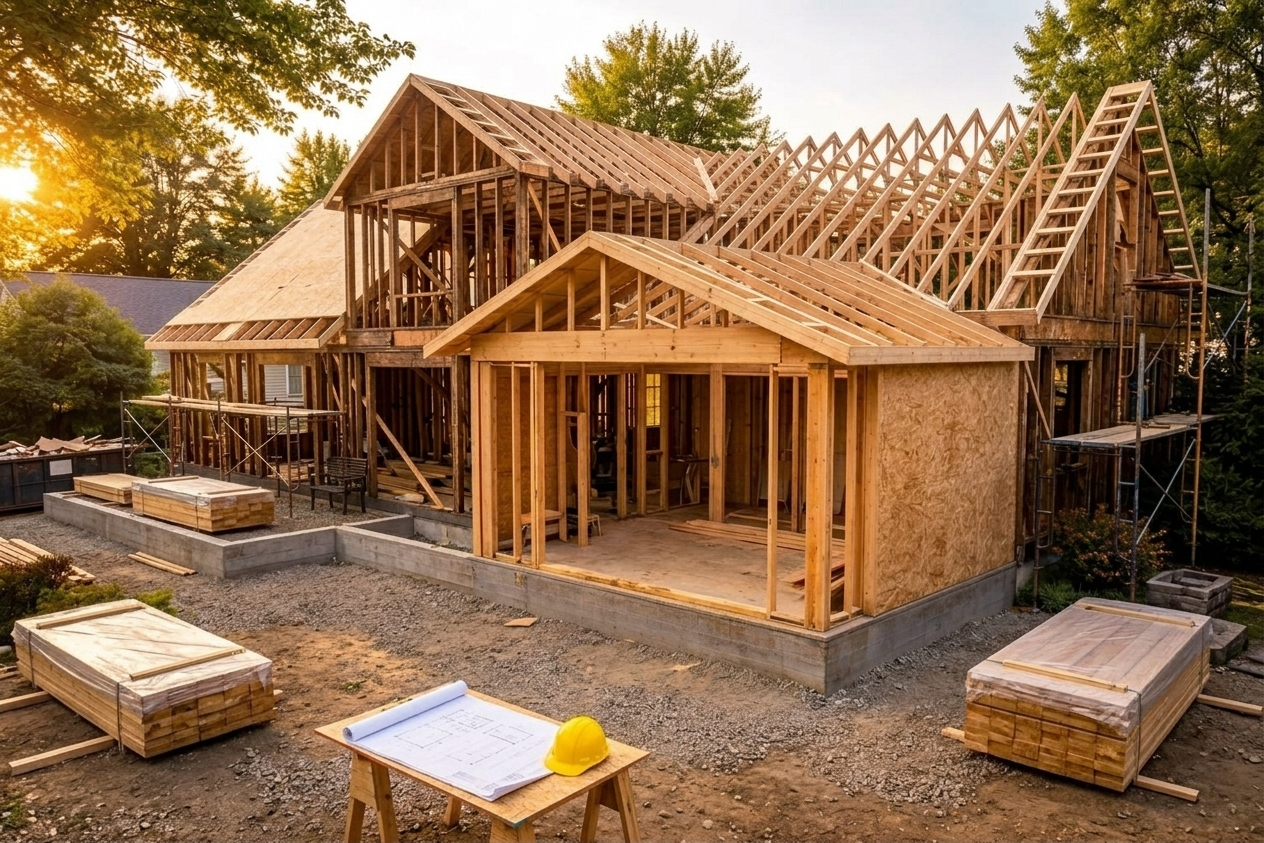
The best custom home upgrade is not always the most expensive one. New Jersey homeowners are paying closer attention to how each dollar spent on a property can improve daily living and support future resale value. That makes return on investment an important part of the design conversation.
This matters in Essex County. The area includes established neighborhoods and a wide range of housing styles. Buyers can compare older homes with renovated properties and newly built homes. A custom home therefore needs more than attractive finishes. It should offer useful spaces, efficient systems and features that feel right for the local market.
The strongest upgrades tend to solve real homeowner needs. They can improve comfort. They can reduce maintenance. They can make a home easier to live in. They can also help a property stand out when it reaches the market.
For Essex County homeowners planning a custom build or major renovation, the goal should be simple. Spend more on features that create lasting function and broad buyer appeal. Avoid upgrades that only serve a narrow taste or add cost without adding meaningful value.
Which Custom Home Upgrades Matter Most in Essex County NJ?
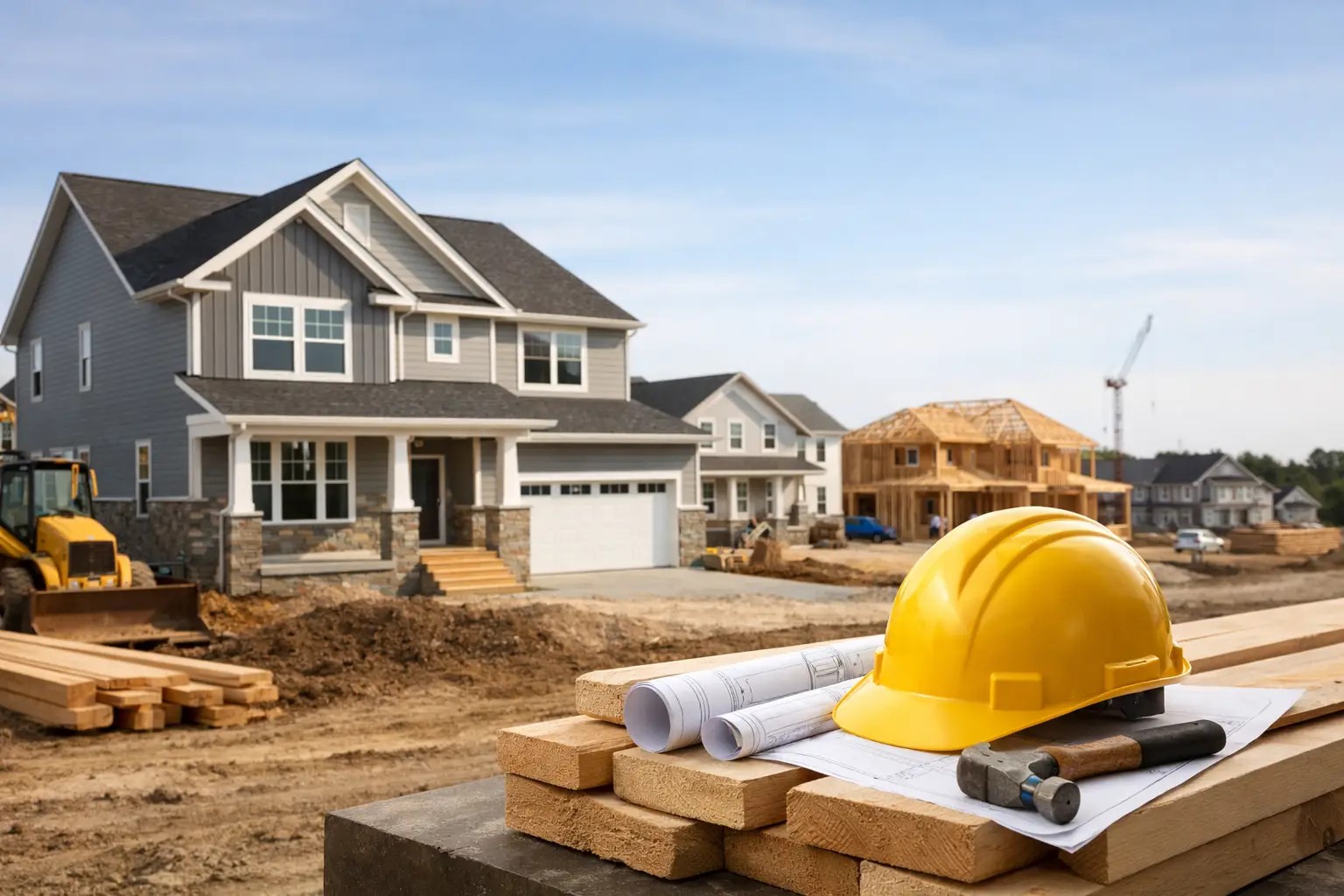
A valuable upgrade should improve the house in a way that future buyers can understand quickly. It should also fit the property's location and architectural character.
Essex County has communities with distinct identities. Homes in Montclair may have different design expectations from properties in Livingston or West Orange. A practical upgrade in one setting may not have the same impact in another.
Look for improvements that offer:
- Better everyday function
- Stronger energy performance
- Greater comfort and convenience
- Lower future maintenance needs
- Flexible use of interior space
- Timeless visual appeal
Local context matters. A large luxury feature may sound impressive on paper. Yet a well-designed kitchen or improved primary suite may create stronger value for a wider group of buyers.
The same principle applies during a custom build. Start with the home's expected buyer profile. Then choose upgrades that support that profile without pushing the property beyond the level of nearby homes.
Kitchen Upgrades That Support Long-Term Property Value
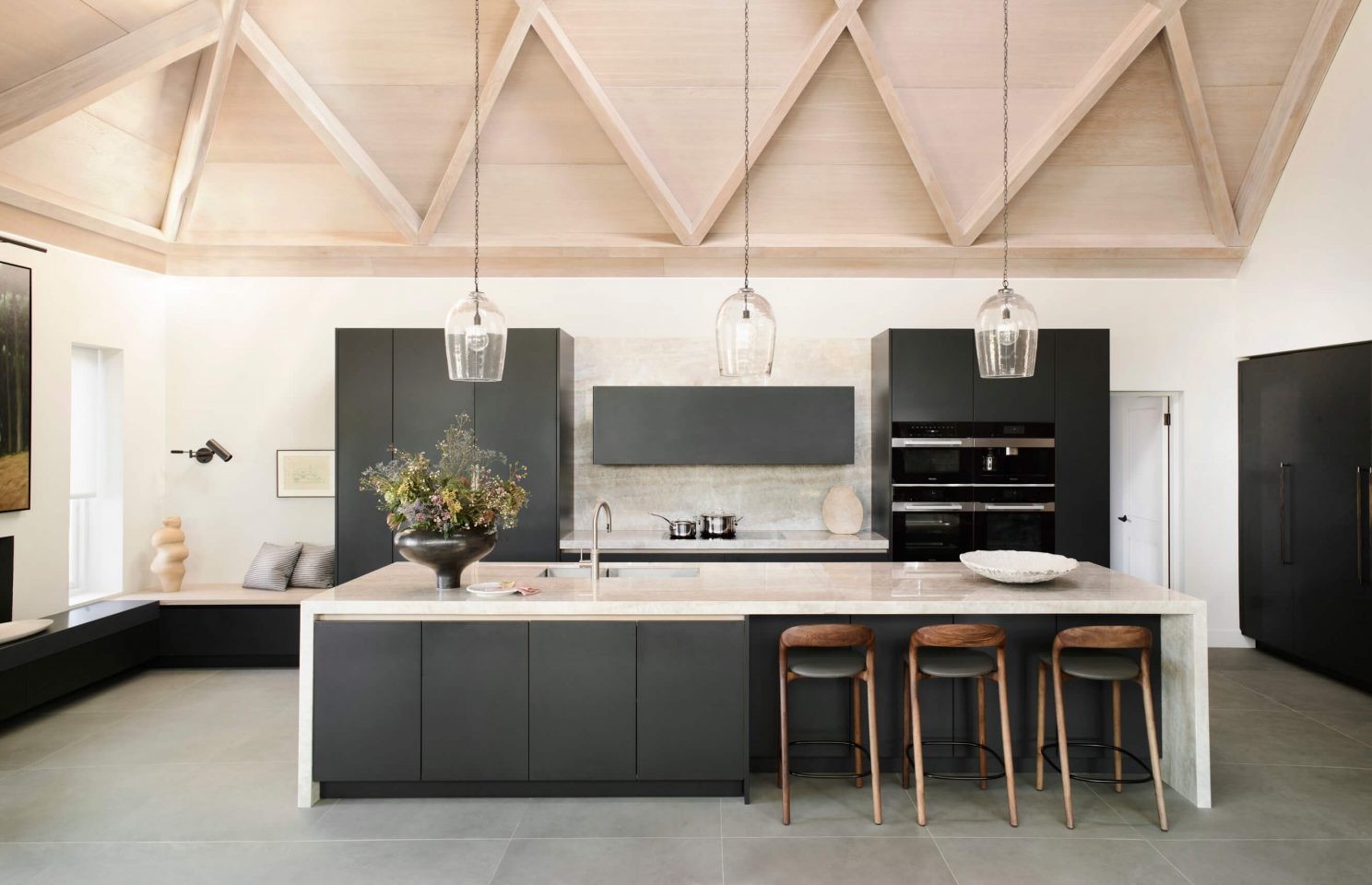
The kitchen remains one of the most important areas for both homeowners and future buyers. It is a workspace. It is a gathering area. It often becomes the visual center of the home.
Value-focused kitchen upgrades should improve function first.
Prioritize better layouts
An efficient kitchen can outperform a larger kitchen with poor circulation. Create clear paths between the refrigerator, sink, range and main prep areas. Add enough storage for daily needs. Consider a pantry when the floor plan allows it.
Invest in durable cabinetry
Quality cabinets can improve appearance and reduce future repair needs. Full-height storage can make better use of vertical space. Soft-close hardware and well-planned drawers can also improve daily usability.
Choose practical countertops
Quartz and other durable materials can provide a polished appearance with less maintenance. The best selection should match the home's design and expected price point.
Add a useful island
A well-sized island can support food preparation, casual meals and social interaction. Avoid making the island too large for the room. Good circulation has more value than excess countertop space.
Use lighting as a functional upgrade
Layered lighting can improve the cooking experience and make the kitchen feel more inviting. Task lighting under cabinets is a practical addition. Statement fixtures can add personality without dominating the room.
A smart kitchen does not need every premium feature. It needs the right combination of storage, durability, lighting and layout.
Bathroom Improvements That Buyers Notice
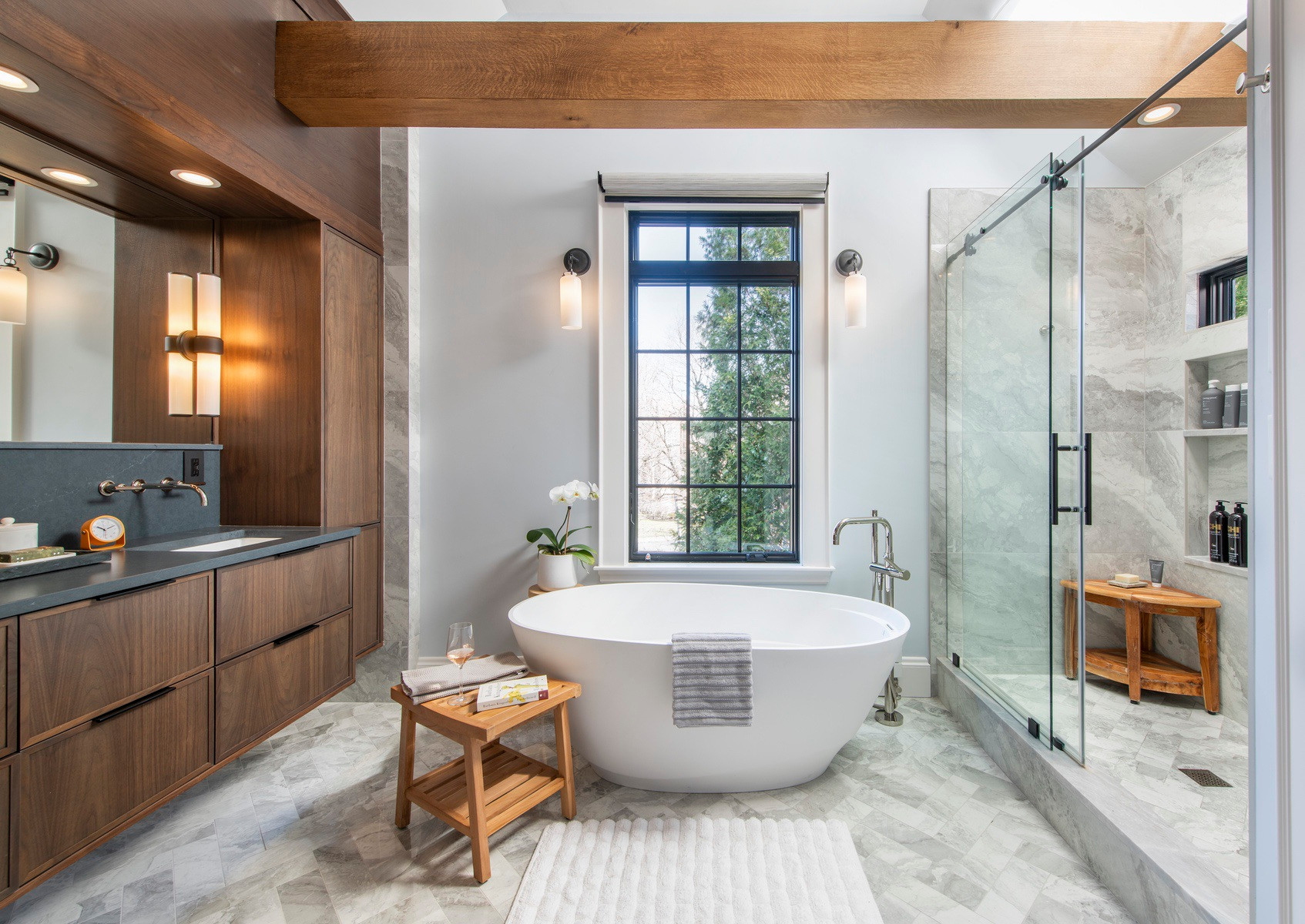
Bathrooms can influence both first impressions and perceived home quality. Well-planned bathroom upgrades can also improve the homeowner experience every day.
The highest-value improvements usually focus on quality and function rather than excessive decoration.
Create a strong primary bathroom
A comfortable primary bath can support the appeal of the entire home. Consider a spacious shower. Add useful storage. Include durable surfaces. Good lighting and ventilation are also essential.
Upgrade the shower experience
A larger walk-in shower can feel modern and practical. A bench may add useful flexibility. Handheld and fixed shower options can improve convenience.
Add smart storage
Vanity drawers often provide better access than basic cabinet doors. Linen storage can also reduce clutter. Keep the design clean and easy to maintain.
Use timeless finishes
Trendy materials can age quickly. Neutral tile and classic fixtures give future homeowners more freedom to personalize the space.
Protect long-term performance
Waterproofing and proper ventilation are investments that may not stand out in listing photos. They can help protect the property from moisture problems and future repair costs.
The strongest bathroom upgrade combines appearance with dependable construction.
Energy Efficiency and Smart Home Features

Energy performance has become an important part of home value. Buyers are increasingly interested in comfort, operating costs and modern systems.
For a custom home in New Jersey, energy-focused upgrades can be especially useful across changing seasons. The objective is not to add technology simply because it is available. Each feature should improve the home's performance or convenience.
Consider:
- High-performance windows
- Improved insulation and air sealing
- Efficient heating and cooling equipment
- Zoned temperature control
- Smart thermostats
- Energy-efficient lighting
- Water-saving plumbing fixtures
- EV-ready electrical capacity
Smart home features can add appeal when they are simple to use. Whole-home Wi-Fi planning can support connected devices throughout the property. Smart locks and lighting controls may add convenience.
However, technology should not replace core building quality. A sophisticated control system cannot fix poor insulation or an inefficient layout.
The best investment is often the one that works quietly every day. Better building performance can improve comfort while reducing waste and helping the property feel more modern.
Outdoor Living, Curb Appeal and Flexible Space
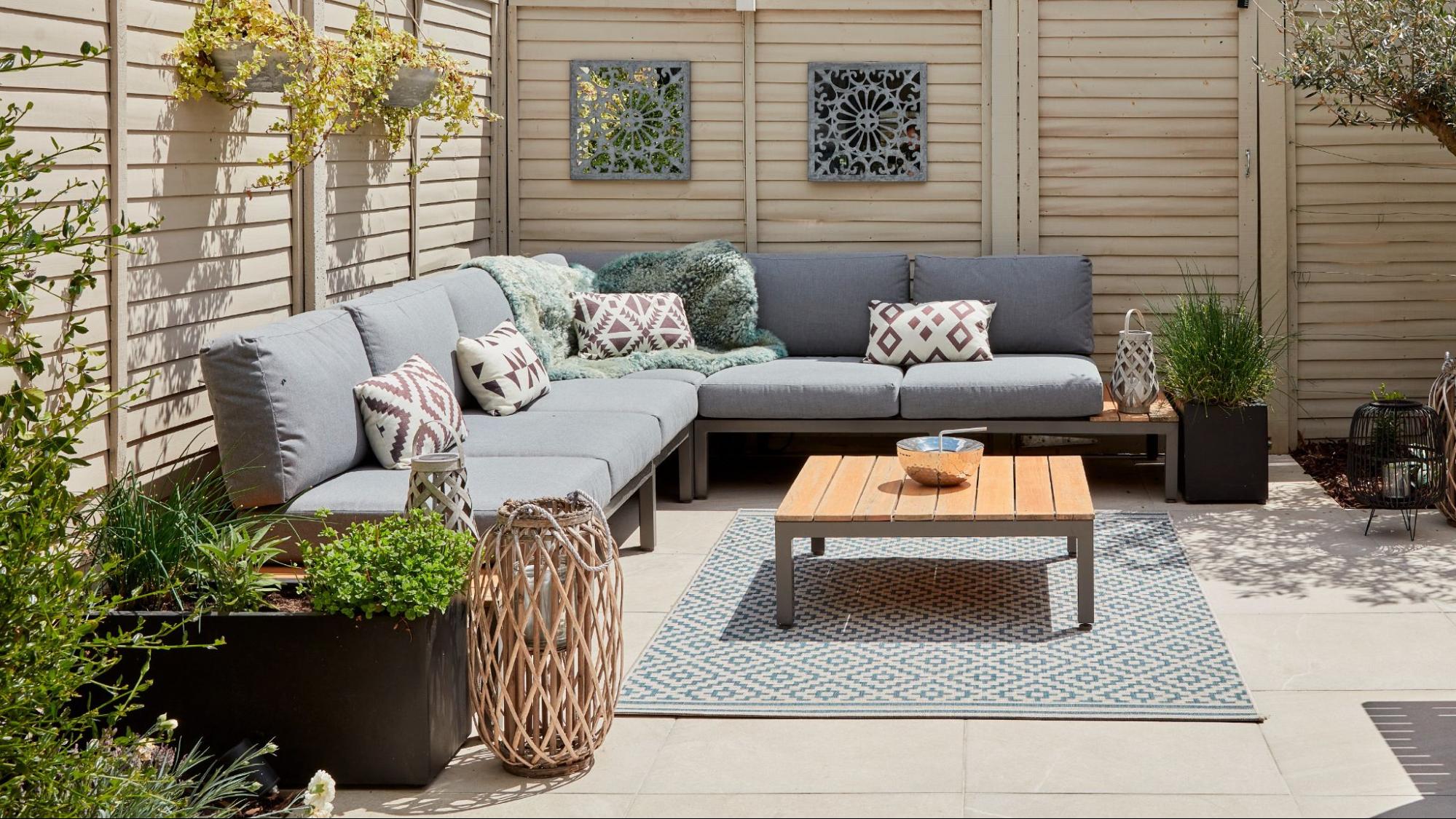
Value does not stop at the front door. Exterior design can shape how buyers see a property before they enter it.
Curb appeal upgrades should improve the home's relationship with the lot. The right choices can make a new or renovated property feel complete.
Strengthen the entrance
A defined front walkway can improve arrival. A quality front door can create a stronger first impression. Exterior lighting can improve both appearance and usability.
Build a useful outdoor area
A patio or deck can extend living space during warmer months. Create enough room for seating and dining without overwhelming the yard.
Plan for low-maintenance landscaping
Simple planting schemes can create visual interest with less upkeep. Native or climate-appropriate plantings may also make long-term maintenance easier.
Make the basement or bonus space flexible
Flexible space can support many future needs. A finished basement may become a recreation room, office, gym or guest area. The value comes from usability rather than a highly specialized design.
Think about storage
Garage storage, mudroom cabinets and dedicated utility space can make a home easier to manage. These details may seem minor. They often become major quality-of-life features after move-in.
For Essex County properties, outdoor and flexible-space decisions should also reflect the lot size and neighborhood setting. The best plan feels natural for the property.
How to Choose Upgrades With the Best Return on Investment
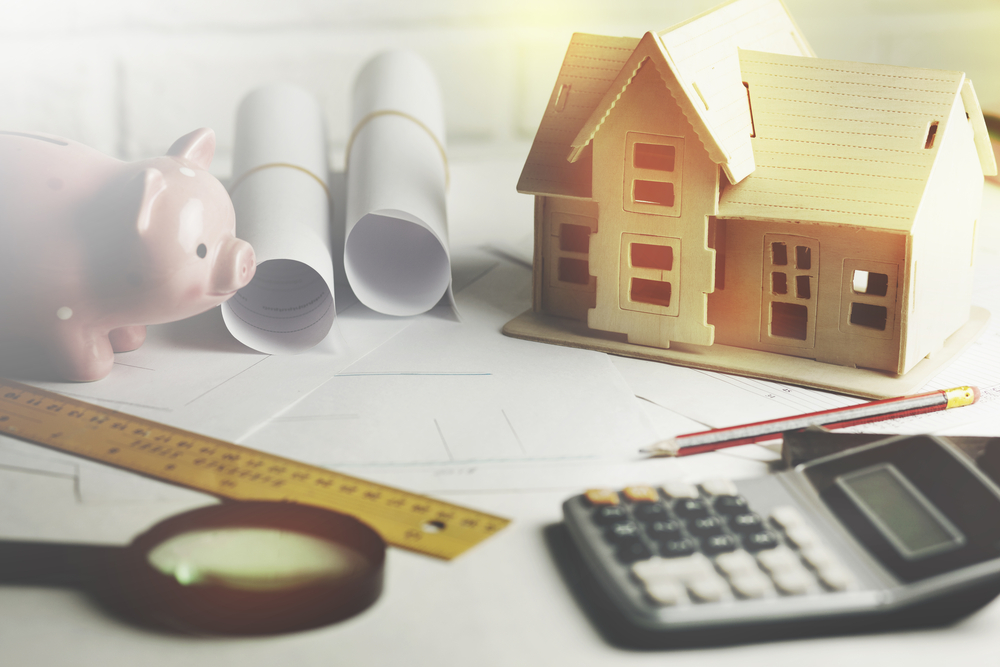
A common mistake is treating every upgrade as an investment. Some improvements increase value. Others mainly increase personal enjoyment. Both can be worthwhile. They should not be confused.
Start with a simple test. Ask what problem the upgrade solves and who will appreciate the benefit.
Focus on broad appeal
A feature that serves many households is more likely to support resale value. Storage, durable finishes, efficient systems and flexible rooms usually have wider appeal than highly personalized features.
Match the neighborhood
Avoid overbuilding for the area. A custom home should feel special without becoming difficult to justify against nearby properties.
Protect the core systems
Do not cut spending on structural quality, roofing, windows, insulation, plumbing, electrical work or heating and cooling just to add decorative features.
Build flexibility into the design
Open areas can support changing household needs. A room that works as an office today can become a bedroom or study later when the layout allows it.
Compare cost with expected benefit
Create a budget for each upgrade. Then consider its useful life and potential effect on resale appeal. This approach helps keep the project focused.
For many homeowners, the best return comes from balanced decisions. A well-designed home with durable materials and efficient systems can create more lasting value than a property filled with expensive extras.
A renovation budget can also benefit from an upgrade hierarchy. Separate essential construction work from value-focused improvements and personal extras. This makes it easier to protect the foundation of the project when costs change. It also helps homeowners understand where spending may have the greatest impact. A disciplined approach can prevent low-value features from taking money away from improvements that buyers may value more later.
Final Thoughts: Build Value With Prawdzik Properties
The most valuable custom home upgrades are usually the ones that improve how a home works. A smarter kitchen can make daily routines easier. A better primary bathroom can add comfort. Efficient systems can improve performance. Flexible spaces can help the property adapt over time.
Essex County homeowners should also consider the character of their community. A successful custom home should fit its setting while offering meaningful improvements over older housing stock.
Before approving an upgrade list, review the full project budget. Look at the expected long-term benefit. Think about future resale appeal. Most importantly, make sure the design reflects how people actually live.
Prawdzik Properties helps New Jersey homeowners bring these decisions together through custom home building, large renovations and thoughtful additions. The focus is on creating homes that combine design, function and lasting property value.
Frequently Asked Questions:
Q1. Which custom home upgrades add the most value in New Jersey?
Kitchen improvements, functional bathrooms, energy-efficient systems, strong curb appeal and flexible living spaces are often among the most valuable upgrade categories. The right mix depends on the property and local market.
Q2. Should I prioritize energy-efficient upgrades?
Yes. Efficient windows, insulation, HVAC systems and smart temperature controls can improve comfort and operating performance. They can also make a home more appealing to buyers who value efficiency.
Q3. Are luxury finishes worth the extra cost?
Luxury finishes can improve enjoyment and presentation. Their resale value depends on the home and neighborhood. Avoid spending heavily on features with limited buyer appeal.
Q4. Does outdoor living space add value to a custom home?
A useful outdoor area can improve lifestyle appeal. A well-designed patio, deck or landscaped space can also make the property feel more complete.
Q5. How can I choose upgrades for an Essex County home?
Study nearby homes and consider what buyers expect at your home's price level. Prioritize durable materials, useful spaces, efficient systems and features that fit the neighborhood.