Common Mistakes to Avoid in Major Home Renovations

A Strong Renovation Plan Matters More Than Ever in Essex County
Homeowners throughout Essex County continue to invest in major renovations as property values remain strong and housing inventory stays limited. Many families are choosing to improve their current homes and updating older properties to better match modern lifestyles rather than enter a competitive real estate market.
Homeowners across Essex County continue to invest in major renovations. Many want more living space. Others want updated kitchens, better bathrooms or a home that feels modern without leaving the neighborhood they love. In towns such as Montclair, Livingston, West Orange and Glen Ridge, renovation projects are often a practical alternative to moving.
A major renovation can add significant value to a home. It can improve functionality. It can also create a more enjoyable living environment. However, even the most exciting projects can become frustrating when mistakes occur early in the process.
Many renovation problems have nothing to do with bad luck. They usually stem from poor planning or rushed decisions. The good news is that most of these issues can be avoided. Understanding the common pitfalls before work begins can help homeowners protect their investment and achieve better results.
Start Construction Without a Detailed Plan

One of the biggest renovation mistakes happens before construction even starts.
Many homeowners have a general idea of what they want. They may want a larger kitchen. They may need additional living space. They may want to modernize an outdated home. While these goals are important, they are not enough to guide a major project.
Every renovation should begin with a detailed plan. Homeowners should identify their priorities and establish realistic expectations. They should understand how each improvement supports their long-term goals.
Without a clear plan, projects often drift in different directions. New ideas appear during construction. Design changes become common. Costs begin to increase. Timelines start to expand.
This issue is especially important in Essex County. Many homes in communities such as Montclair, Glen Ridge and South Orange feature unique layouts and older construction methods. These properties often require thoughtful planning before any work begins.
A detailed roadmap creates confidence. It also reduces the likelihood of expensive surprises later.
Failing to Create a Realistic Budget

Budget problems can quickly turn an exciting renovation into a stressful experience.
Many homeowners focus only on construction costs when estimating expenses. They overlook several other factors that can affect the total investment.
Permit fees may apply. Material prices may increase. Design revisions may add expenses. Hidden issues behind walls may require additional work.
Older homes throughout Essex County often reveal unexpected conditions once demolition begins. Electrical systems may need upgrades. Plumbing may require replacement. Structural repairs may become necessary.
A smart budget includes a contingency fund. Many professionals recommend setting aside ten to twenty percent of the project cost for surprises. That reserve helps homeowners solve problems without sacrificing quality and provides flexibility when unexpected costs arise.
A strong budget is not simply a spending limit. It is a planning tool that helps homeowners make informed decisions throughout the project.
When financial expectations are realistic from the beginning, projects tend to move forward with fewer disruptions.
Hiring the Wrong Contractor

Hiring a contractor is one of the most important decisions in any renovation project.
Unfortunately, some homeowners focus primarily on finding the lowest bid. While saving money is understandable, the cheapest option is not always the best value.
An unusually low proposal can sometimes indicate missing project details or unrealistic assumptions. In some cases, homeowners discover additional charges later that were not included in the original estimate.
Instead of focusing only on price, homeowners should evaluate experience and reliability. They should review previous projects. They should verify licensing and insurance. They should also pay close attention to communication.
A contractor who communicates clearly can help prevent misunderstandings before they become major problems.
Experience with local homes is also valuable. Essex County contains a wide variety of architectural styles. Contractors who understand local construction challenges are often better equipped to manage renovation projects efficiently.
The goal is not simply to hire a contractor. The goal is to build a productive partnership that lasts throughout the renovation process.
Ignoring Permits and Local Requirements
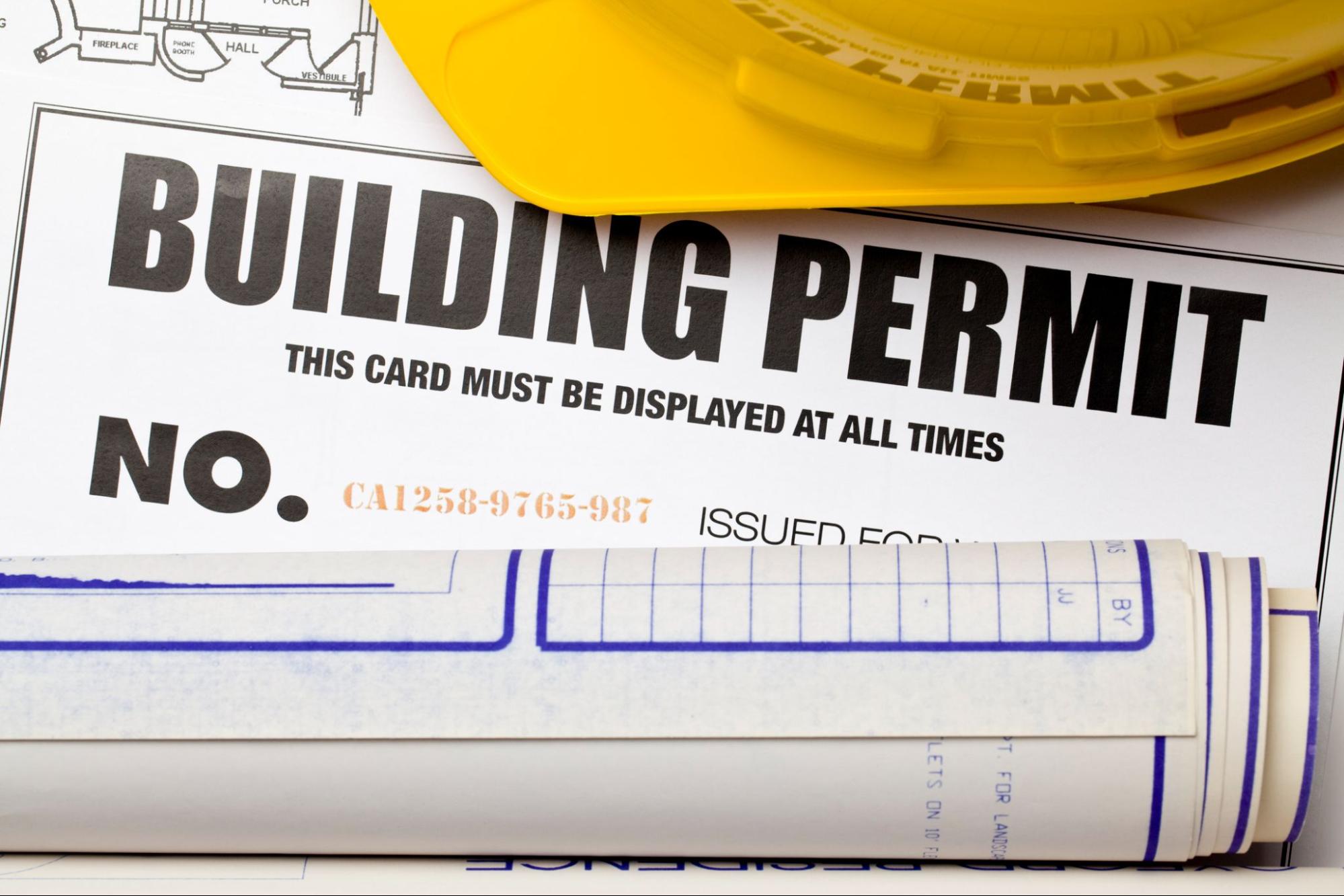
Permit requirements often seem confusing to homeowners. Many homeowners assume interior work does not require permits. That assumption can create serious problems. As a result, some people attempt to skip this step altogether.
Major renovations frequently require permits. Structural changes often require approval. Electrical work may need inspection. Plumbing modifications may also be subject to local regulations.
Failure to obtain required permits can lead to delays and penalties. It can also create complications when selling the property in the future.
Different municipalities within Essex County may have different requirements. Homeowners should never assume that rules are identical from one town to another.
Working with knowledgeable professionals helps ensure compliance throughout the project.
Permits may feel like an extra step. In reality, they help protect homeowners by ensuring that renovations meet established safety standards.
Making Design Decisions Too Late

Design changes are one of the most common reasons renovation costs increase.
Many homeowners start construction before finalizing important selections. They postpone decisions about cabinets, flooring, fixtures or layouts. As construction progresses, they begin making adjustments based on what they see.
While this approach may seem harmless, it often creates delays and additional expenses.
A change in one area can affect several others. Moving a wall may impact electrical work. Relocating plumbing fixtures may require redesigning other systems. Changing materials may affect installation schedules.
The earlier design decisions are finalized, the smoother the project typically becomes.
This does not mean homeowners cannot make adjustments. It simply means major choices should be made before construction begins whenever possible.
Preparation reduces uncertainty. It also helps contractors maintain efficiency throughout the project.
Focusing on Appearance and Forgetting the Basics

Many homeowners naturally focus on visible improvements. New flooring looks exciting. Modern kitchens attract attention. Updated bathrooms create a strong visual impact.
However, a successful renovation involves more than cosmetic upgrades.
Behind every attractive renovation are systems that support daily living. Electrical wiring must function safely. Plumbing must operate properly. Structural components must remain sound.
Older homes throughout Essex County often require infrastructure improvements before cosmetic upgrades can be completed effectively.
Ignoring these elements may create problems down the road. A beautiful room loses its appeal quickly when hidden issues begin to surface.
Before investing heavily in finishes and decorative features, homeowners should ensure the home's essential systems are operating as intended.
Long-term value comes from balancing appearance with functionality.
Expecting the Project to Move Faster Than Reality

Many renovation frustrations stem from unrealistic expectations regarding timelines.
Television programs often show dramatic transformations occurring within a short period. Real-world renovations are very different.
Construction projects involve many moving parts. Materials must arrive on time. Inspections must be completed. Contractors must coordinate multiple tasks. Unexpected issues may require additional work.
Even well-managed projects can encounter delays.
This is particularly true when renovating older Essex County homes. Hidden structural concerns or outdated systems may only become visible after demolition begins.
Homeowners who expect every project phase to proceed exactly according to schedule often become frustrated when adjustments occur.
Flexibility is an important part of the renovation process.
A realistic timeline helps homeowners prepare for challenges while maintaining confidence in the overall project.
Forgetting About Long-Term Value

A renovation should improve life today while also supporting future property value.
Some homeowners focus entirely on personal preferences without considering how their decisions may affect future buyers.
There is nothing wrong with creating a home that reflects personal taste. However, it is wise to balance customization with broader market appeal.
Functional kitchens remain desirable. Updated bathrooms continue to attract buyers. Well-designed living spaces often provide lasting value.
Extremely specialized features may not have the same impact.
This consideration is particularly relevant in Essex County where buyers often have high expectations regarding quality and functionality.
The most successful renovations combine personal enjoyment with smart investment decisions.
When homeowners consider both present needs and future opportunities, they often achieve stronger long-term results.
Final Thoughts
A major home renovation represents a significant investment of time and money. Success rarely happens by accident. It comes from careful planning, realistic expectations, and thoughtful decision-making.
Homeowners who avoid common mistakes are more likely to stay on budget, maintain project momentum and achieve their desired results. Clear goals help guide the process. Strong budgeting creates flexibility. Experienced professionals provide valuable support from start to finish.
Across Essex County, many homeowners are transforming their properties through strategic renovations. Whether the goal is increased comfort, additional space or improved property value, preparation remains the foundation of every successful project.
At Prawdzik Properties, we understand how important smart home improvements can be for both lifestyle and long-term real estate value. Taking the time to plan carefully today can help ensure your renovation delivers benefits for many years to come.
FAQs
Q1. What is the biggest mistake homeowners make during renovations?
The most common mistake is starting a project without a detailed plan. Poor planning often leads to higher costs and unexpected delays.
Q2. How much extra money should I set aside for unexpected renovation expenses?
Many professionals recommend keeping a contingency reserve of ten to twenty percent of the total renovation budget.
Q3. Do major renovations require permits in Essex County?
Many projects do require permits. Requirements depend on the type of work being performed and the municipality where the property is located.
Q4. Why do renovation costs increase during construction?
Costs often rise when homeowners make design changes after work begins or when hidden issues are discovered during demolition.
Q5. How can I make my renovation more valuable in the future?
Focus on functionality, quality workmanship and improvements that appeal to a broad range of buyers while still meeting your personal needs.