7 Key Elements of Sustainable Family-Friendly Home Design in Monmouth County NJ
Homeowners in Monmouth County NJ are looking for more than attractive houses. Families want homes that support everyday life while also reducing energy use and long-term maintenance needs. This has made sustainable home design an increasingly important consideration for new construction and major remodeling projects.
A sustainable family-friendly home should be comfortable for children and adults. It should also use resources wisely and remain practical as the family grows. From energy-efficient windows to durable materials and smarter layouts, thoughtful design can improve daily living while supporting long-term home value.
For families building or renovating a home in Monmouth County, sustainability does not mean sacrificing style. It means making better choices during the planning and construction process.
Here are seven key elements that can help create a sustainable family-friendly home in Monmouth County NJ.
1. Energy-Efficient Home Design for Everyday Family Living
Energy efficiency is one of the most important parts of sustainable home design. A well-designed home can reduce unnecessary energy use while creating a more comfortable indoor environment.
In Monmouth County NJ, seasonal temperature changes make heating and cooling efficiency especially important. Families can benefit from design choices that help maintain consistent indoor temperatures throughout the year.
Energy-efficient home design may include:
- High-performance insulation
- Energy-efficient windows and doors
- Proper air sealing
- Efficient heating and cooling systems
- Smart thermostats
- Energy-efficient lighting
- Energy-conscious appliance selections
Window placement can also affect energy performance. Thoughtful positioning can increase useful natural light while reducing the need for artificial lighting during the day.
A sustainable home should also consider how different systems work together. Better insulation combined with efficient heating and cooling can create a more balanced and comfortable living environment.
For families, this can mean fewer temperature differences between rooms and less concern about excessive energy consumption.
2. Sustainable Materials for Durable Family-Friendly Homes
Families place significant wear and tear on a home. Floors experience constant traffic. Kitchens are used every day. Bathrooms must withstand moisture and frequent use.
Choosing sustainable materials can address both environmental concerns and practical family needs.
Durable materials often have a longer useful life. That can reduce the need for frequent replacements and minimize construction waste over time.
Popular options may include:
- Recycled or reclaimed materials
- Responsibly sourced wood
- Low-VOC paints and finishes
- Durable flooring materials
- Long-lasting countertops
- Recycled-content products
Material selection should also take maintenance into account. A beautiful material that requires constant repairs may not be the most practical option for a busy family.
Families in Monmouth County can benefit from materials that balance appearance, durability, maintenance and environmental responsibility.
Sustainability is not simply about choosing a product labeled as green. It is about looking at how a material performs throughout the life of the home.
3. Smart Natural Lighting and Sustainable Home Orientation
Natural light can make a home feel brighter and more inviting while reducing dependence on artificial lighting during daylight hours.
A sustainable family-friendly design should consider where windows are placed and how rooms connect to outdoor spaces.
Large windows can bring more daylight into kitchens, living rooms and family areas. Skylights may also provide natural light in areas where traditional windows are limited.
Good design also considers glare and heat gain. Simply adding more glass does not automatically create a more sustainable home. Home orientation can influence how sunlight enters the property throughout the day. Designers and builders can use this information to make rooms more comfortable while improving energy performance.
Natural lighting can also support the way families use their homes. A bright kitchen can become a gathering area. A naturally lit study can create a more pleasant place for homework. A family room with strong connections to daylight can feel more spacious and welcoming.
For Monmouth County homeowners, sustainable design can make better use of the surrounding environment without compromising privacy or comfort.
4. Water-Efficient Features for Sustainable Family Homes
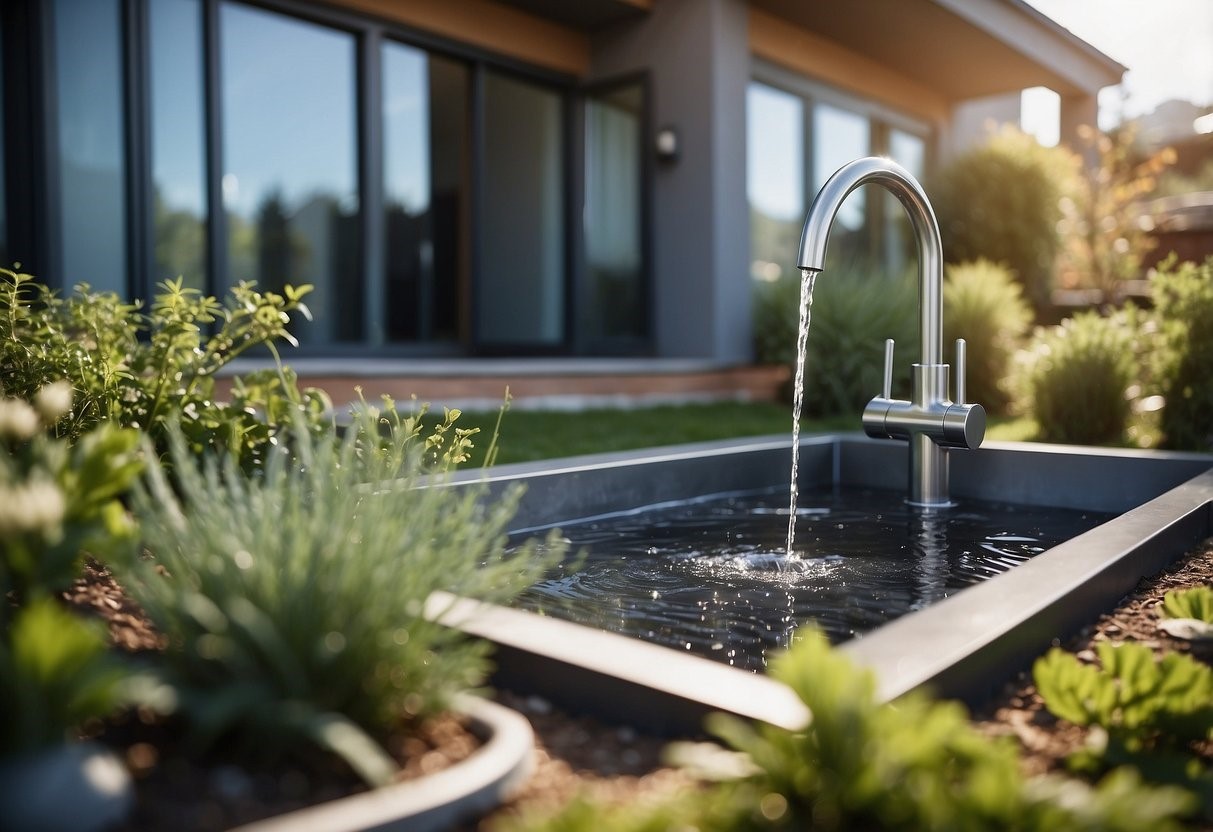
Water efficiency is another important part of sustainable home design. Families use water for cooking, cleaning, bathing, laundry and outdoor maintenance.
Small improvements across the home can help reduce unnecessary water consumption.
Water-efficient features may include:
- Low-flow faucets
- Water-saving showerheads
- Efficient toilets
- High-efficiency washing machines
- Smart irrigation systems
- Rainwater management solutions
Outdoor planning also matters. Native and climate-appropriate landscaping can reduce irrigation needs compared with landscapes that require frequent watering.
Drainage should be considered during the design stage as well. Effective site planning can help manage storm water and protect outdoor areas from unnecessary erosion or pooling.
A sustainable approach to water use can help families become more efficient without changing the basic routines of everyday life.
This makes water-conscious design especially valuable for homeowners who want sustainability to become a natural part of how their home functions.
5. Flexible Spaces That Support a Growing Family
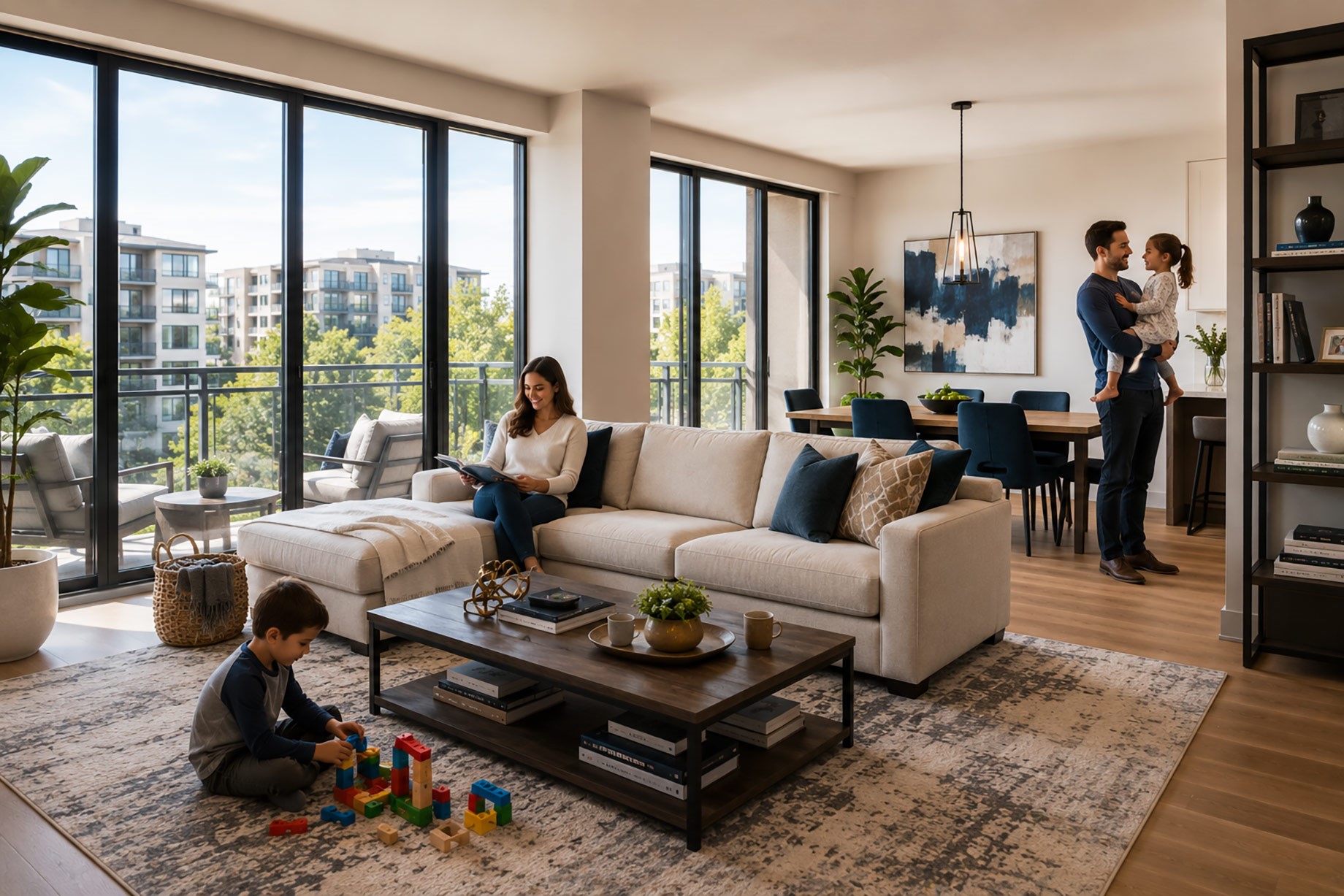
Sustainability is not limited to energy and water. A truly sustainable home should also remain useful, as family needs change.
A home designed around flexibility can reduce the need for major renovations later.
For example, a playroom can eventually become a study or home office. A guest bedroom can become a private space for an older child. A large open area can be divided into smaller zones as household needs evolve.
Family-friendly design should consider:
- Flexible bedrooms
- Multi-purpose rooms
- Built-in storage
- Adaptable workspaces
- Practical circulation areas
- Spaces that can serve multiple functions
This approach can extend the useful life of the home.
Instead of moving when needs change, families may be able to adapt the existing space. That can reduce the environmental and financial costs associated with constructing or purchasing another property.
In a growing community such as Monmouth County, homeowners can benefit from creating homes that are prepared for different stages of family life.
The most sustainable space may be the space that continues to work well for years.
6. Indoor Air Quality and Healthy Home Design
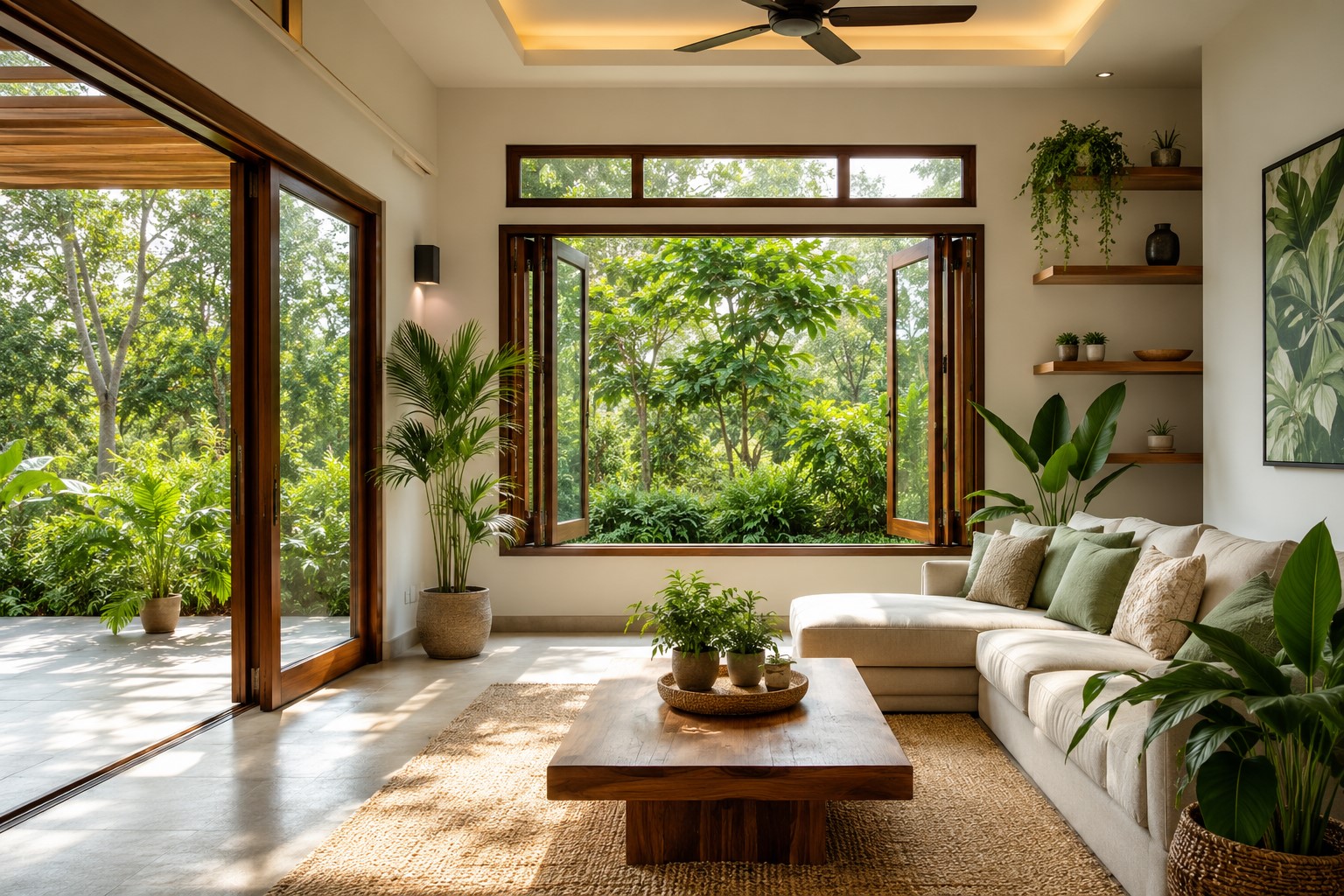
Sustainable design should also support a healthy indoor environment. Families spend a significant amount of time inside their homes. Good ventilation and thoughtful material selection can help create a more comfortable interior.
Low-VOC paints and finishes can help reduce exposure to certain chemical emissions from interior products. Proper ventilation can also help manage indoor moisture and improve overall air circulation.
Other considerations may include:
- High-quality ventilation systems
- Moisture control
- Proper filtration
- Low-emission finishes
- Mold-resistant construction practices
- Well-sealed building envelopes
Moisture management is particularly important in areas where seasonal weather can affect indoor humidity.
A sustainable family home should not only use less energy. It should create a comfortable environment where families can spend time, relax and grow.
This is one reason sustainability and wellness increasingly overlap in modern residential design.
7. Sustainable Outdoor Spaces for Monmouth County Families
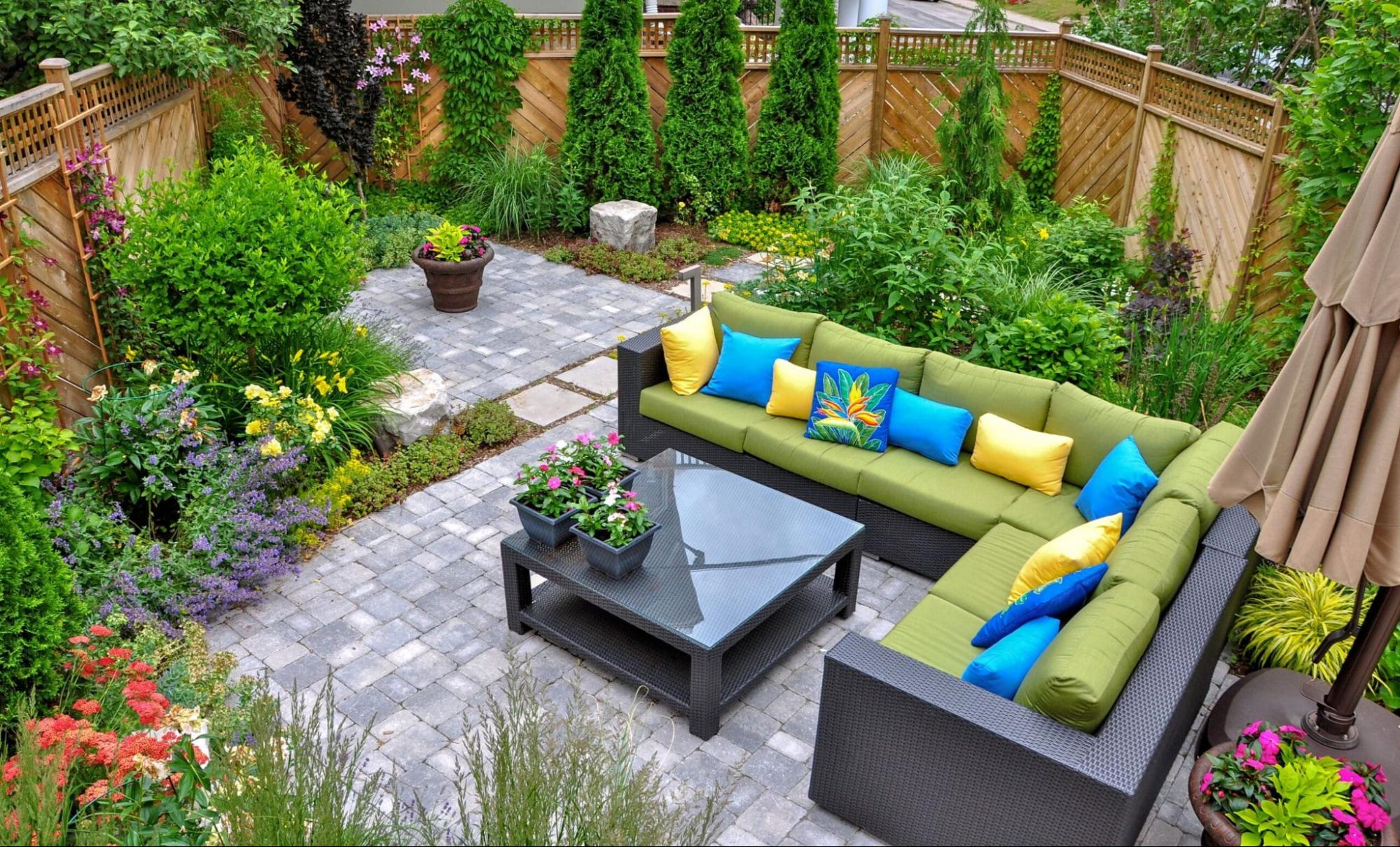
A family-friendly home should extend beyond the walls of the house. Outdoor areas can become important spaces for recreation, relaxation and family gatherings.
Sustainable landscape design can make these spaces more useful while reducing maintenance demands.
Homeowners may consider:
- Native or climate-appropriate plants
- Permeable surfaces
- Shade trees
- Low-maintenance landscaping
- Efficient outdoor lighting
- Rainwater management
- Functional outdoor living areas
A well-planned outdoor space can support children's play while providing comfortable areas for adults.
Trees and strategically placed shade can also improve outdoor comfort during warmer months. Thoughtful planting can help connect the home with its natural surroundings.
For Monmouth County properties, outdoor planning should also account for the specific characteristics of the lot. Drainage, soil conditions, available sunlight and existing vegetation can all affect sustainable landscape choices.
A sustainable outdoor design can turn unused areas into functional family spaces without creating unnecessary maintenance requirements.
How Sustainable Home Design Can Support Long-Term Value
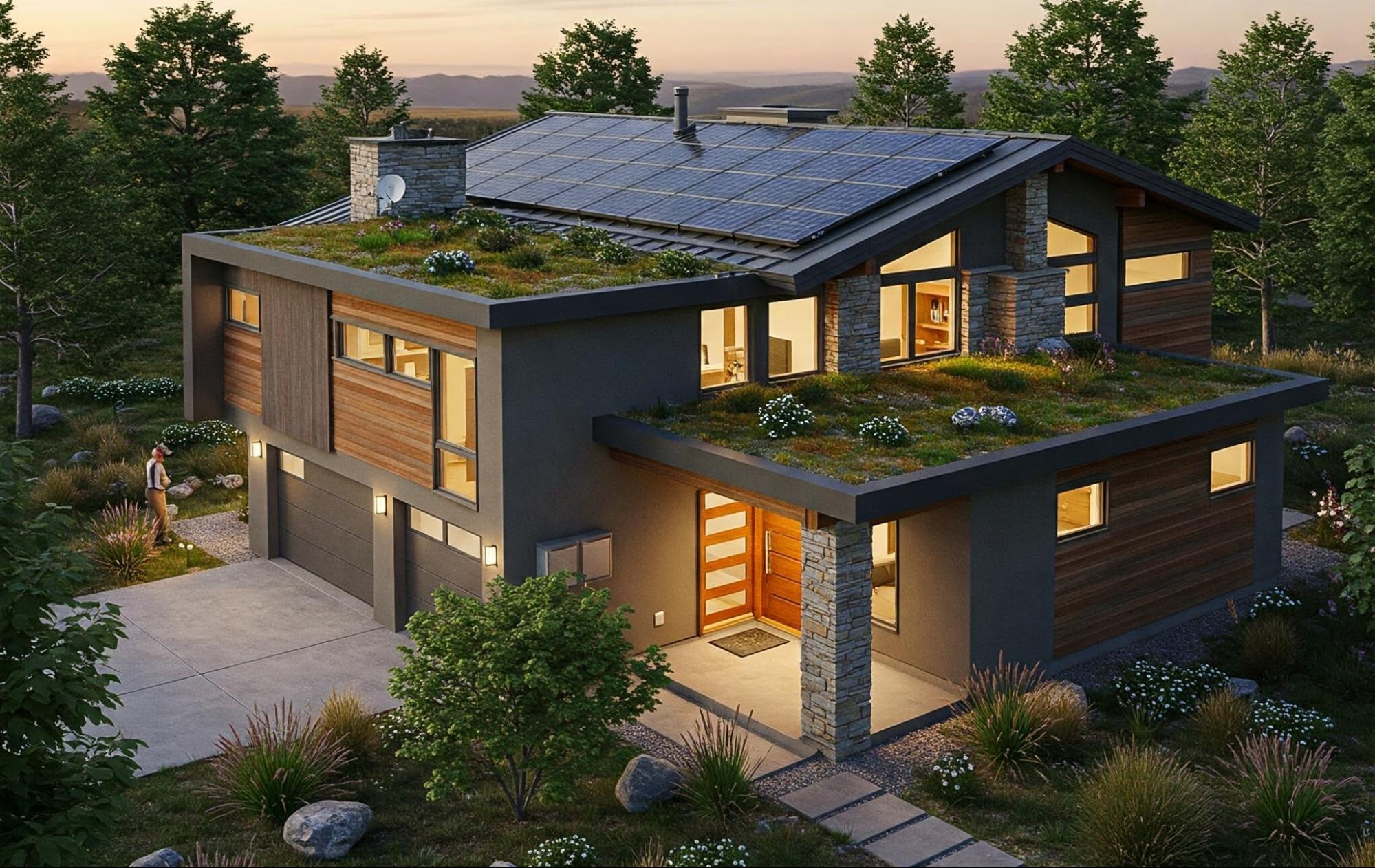
Sustainability can influence more than daily comfort. It can also contribute to the long-term appeal of a property.
Energy-efficient systems, durable materials and flexible floor plans can make a home more attractive to future homeowners. Features that lower operating costs may also become increasingly valuable as families pay closer attention to household expenses.
The strongest sustainable designs focus on lasting benefits rather than short-term trends. For example, a durable floor may provide value through years of family use. An adaptable room may prevent the need for a costly addition. Efficient windows may improve comfort while reducing energy waste.
These decisions can create a home that performs well while remaining attractive and functional.
For homeowners in Monmouth County NJ, sustainability can therefore be viewed as both an environmental strategy and a long-term investment in the property.
Sustainable Home Design Starts During the Planning Stage
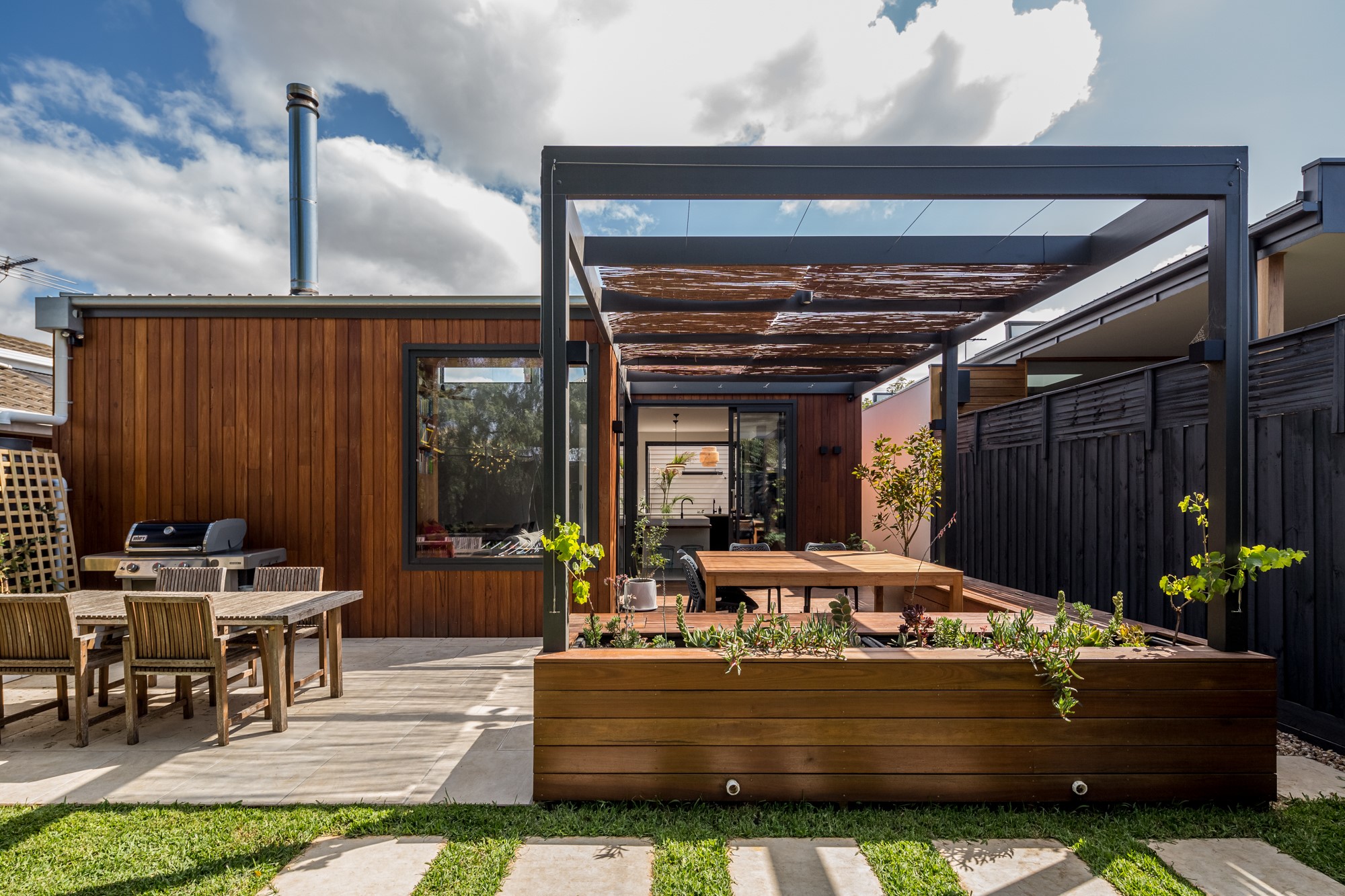
One of the biggest opportunities to improve sustainability comes before construction begins. Decisions made during planning can influence the home's orientation, floor plan, materials, mechanical systems and overall performance.
Trying to add sustainable features after construction can sometimes be more difficult or expensive. Early planning allows homeowners and builders to evaluate how different choices work together.
A strong process should consider:
- The family's current lifestyle
- Future household needs
- Energy performance
- Water efficiency
- Material durability
- Indoor comfort
- Outdoor functionality
- Long-term maintenance
The goal is not to make every possible feature sustainable. The goal is to identify the improvements that provide meaningful benefits for the household.
This creates a more balanced approach to residential construction.
Final Thoughts on Sustainable Family-Friendly Home Design
Sustainable home design can make a family home more comfortable, efficient and adaptable. The best results come from combining environmental responsibility with practical everyday needs.
For families in Monmouth County NJ, the right approach may include energy-efficient construction, durable materials, water-saving features, flexible rooms, healthier interiors and functional outdoor spaces.
Sustainability should feel natural rather than complicated. A well-designed home can reduce waste and energy use while giving families spaces that work for their lives.
Prawdzik Properties understands that building a home is about more than creating a beautiful structure. Thoughtful planning and quality construction can help create homes designed for comfort, durability and long-term value. By incorporating sustainable design principles into new construction and renovation projects, homeowners can create spaces that serve their families today while remaining practical for the future.